

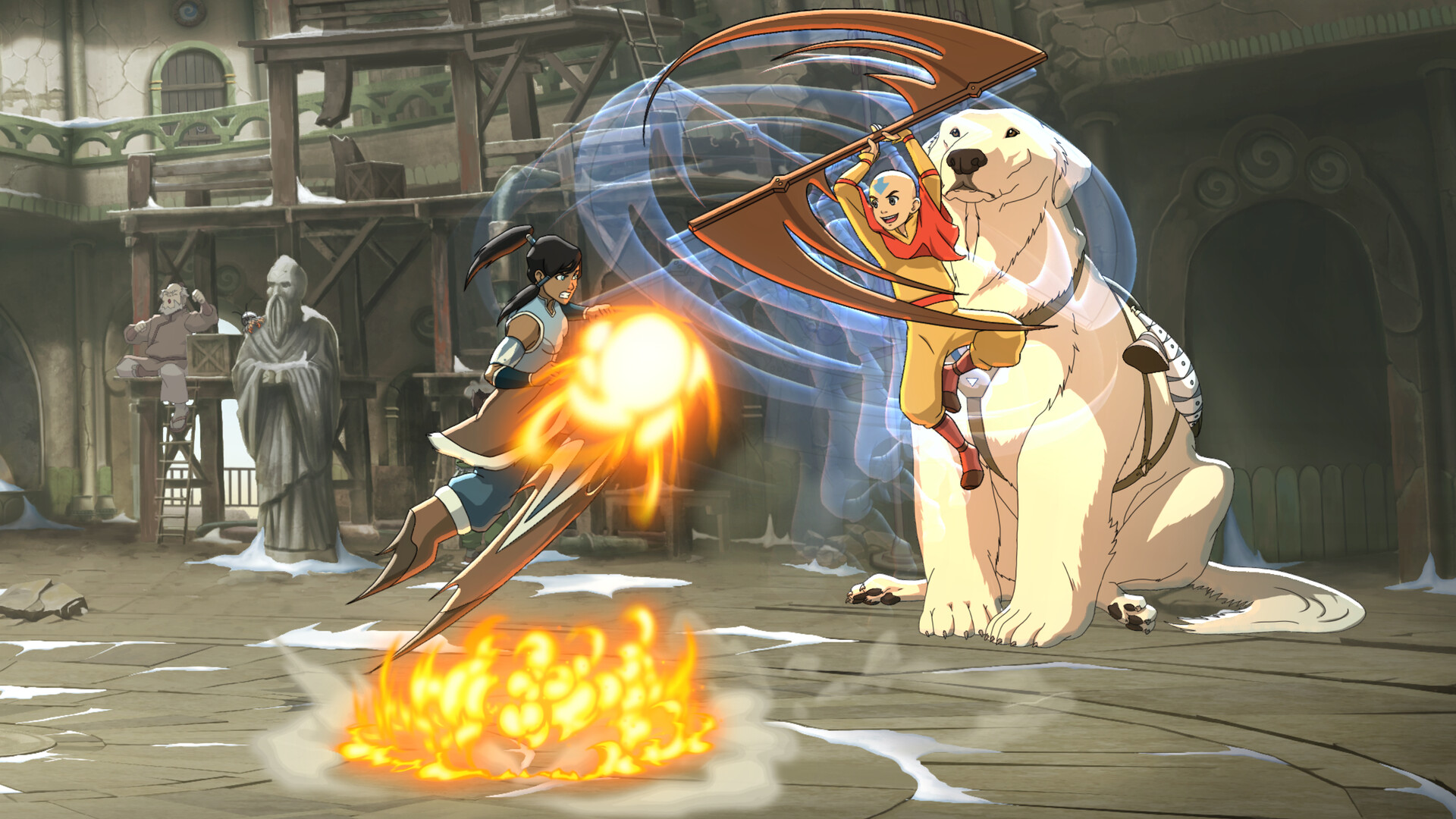
Avatar Legends: The Fighting Game launches July 2 on PlayStation 5, Xbox Series X|S, Nintendo Switch, Nintendo Switch 2, and PC via Steam, priced at $29.99. Developed by Gameplay Group International and published through a partnership with PM Studios, the 1v1 fighter draws its roster from both Avatar: The Last Airbender and The Legend of Korra, with 12 playable characters at launch and more planned through a post-launch seasonal roadmap. The game's release date was revealed live at the EVO Awards.
Combat runs on what the developers call the Flow System, a movement-driven framework built around positioning and momentum. Rather than locking players into static exchanges, the system rewards how you move through space, turning footwork and spacing into offensive tools rather than just defensive ones. Each character fights through a bending style tied to their element: water, earth, fire, or air, and the differences aren't cosmetic. Alongside your main fighter you select support characters who alter your available special moves, layering strategic decisions onto the roster before a match even starts. Support picks shape your playstyle in ways that change the calculus of each matchup, giving the character select screen real weight.
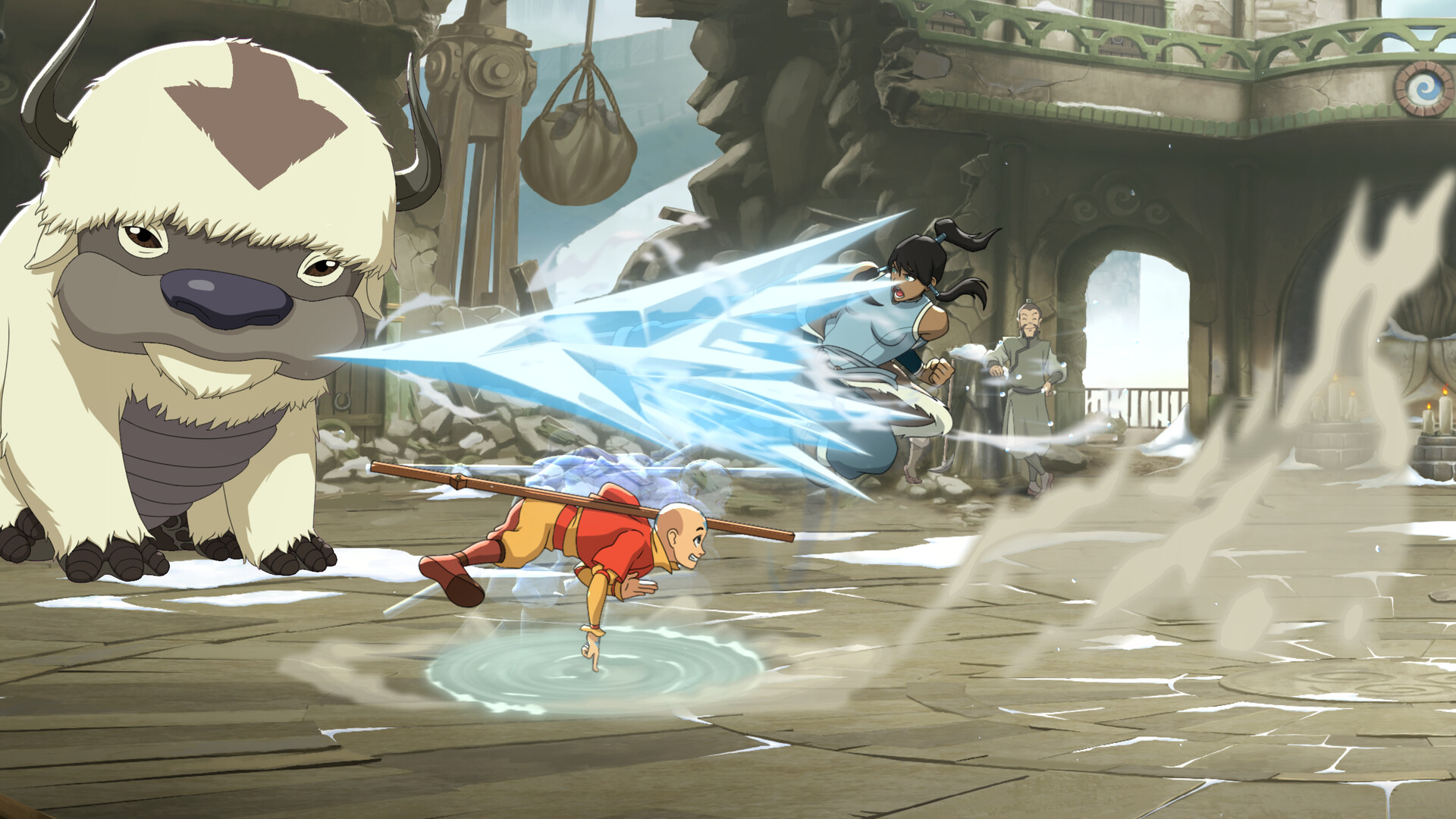
The game ships with an original Story Mode described as canon to the Avatar universe. Players shape events across time and space in the main narrative, while Arcade Mode offers unique storylines for every playable character. The source material doesn't reveal much about the plot itself, but the framing is clear: this isn't a fighting game that treats its single-player content as an afterthought.
The competitive infrastructure is built with intent. Gameplay Group International brings fighting game expertise to the project, and the design philosophy leans hard into responsiveness and competitive integrity. Proprietary rollback netcode and full cross-play across all platforms at launch signal a game built for the community that showed up at EVO to see it announced. Ranked and casual online play, player lobbies, training mode, and combo trials round out the competitive toolkit.
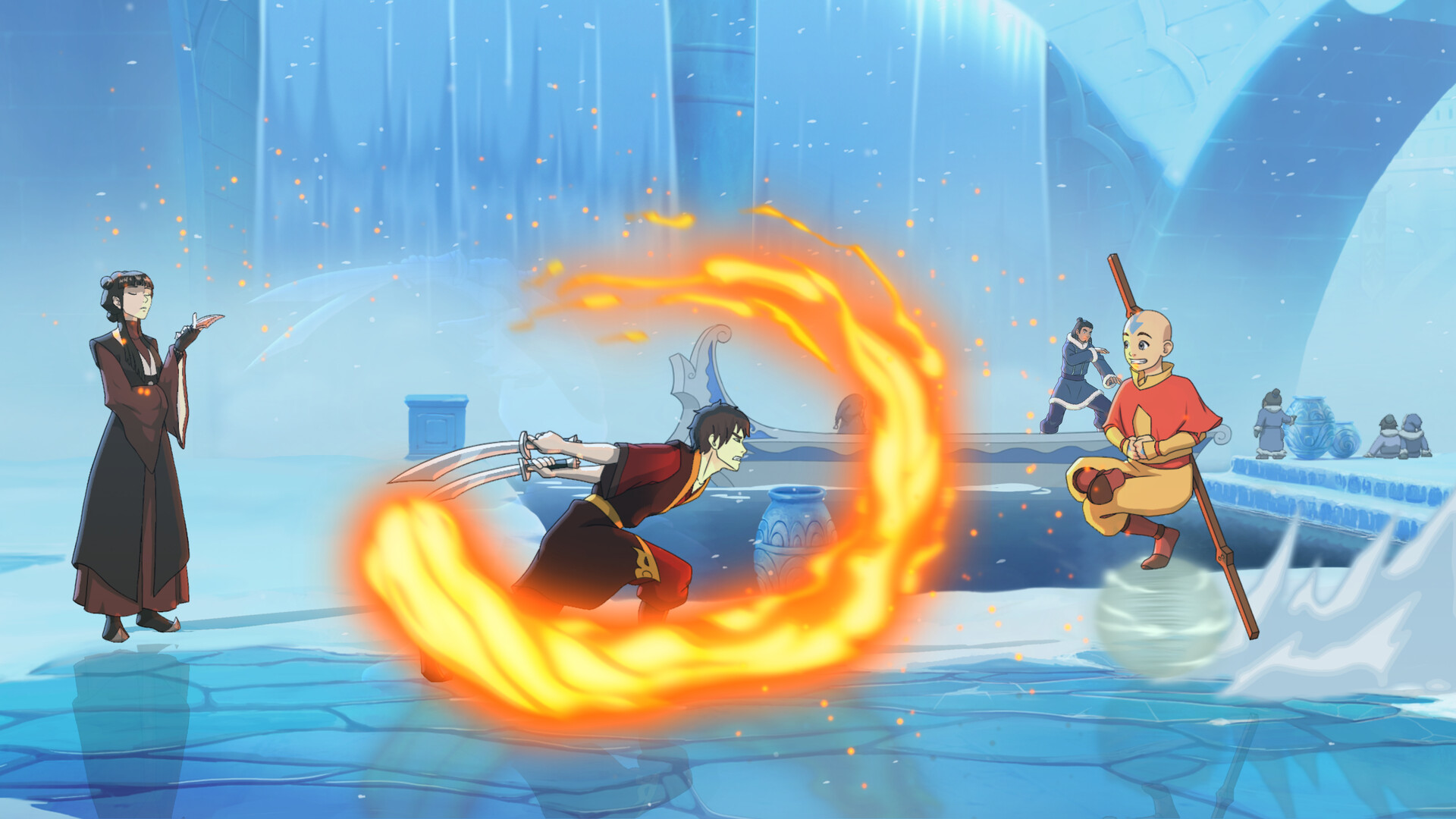
Visually, the game preserves the look of the original series through hand-drawn 2D animation. The art style isn't reaching for photorealism or 3D spectacle but instead stays faithful to the expressive, fluid linework that defined both shows. A Gallery Mode houses hundreds of never-before-seen images from the series, turning the game into something of an archive for fans who care about the art as much as the fights.
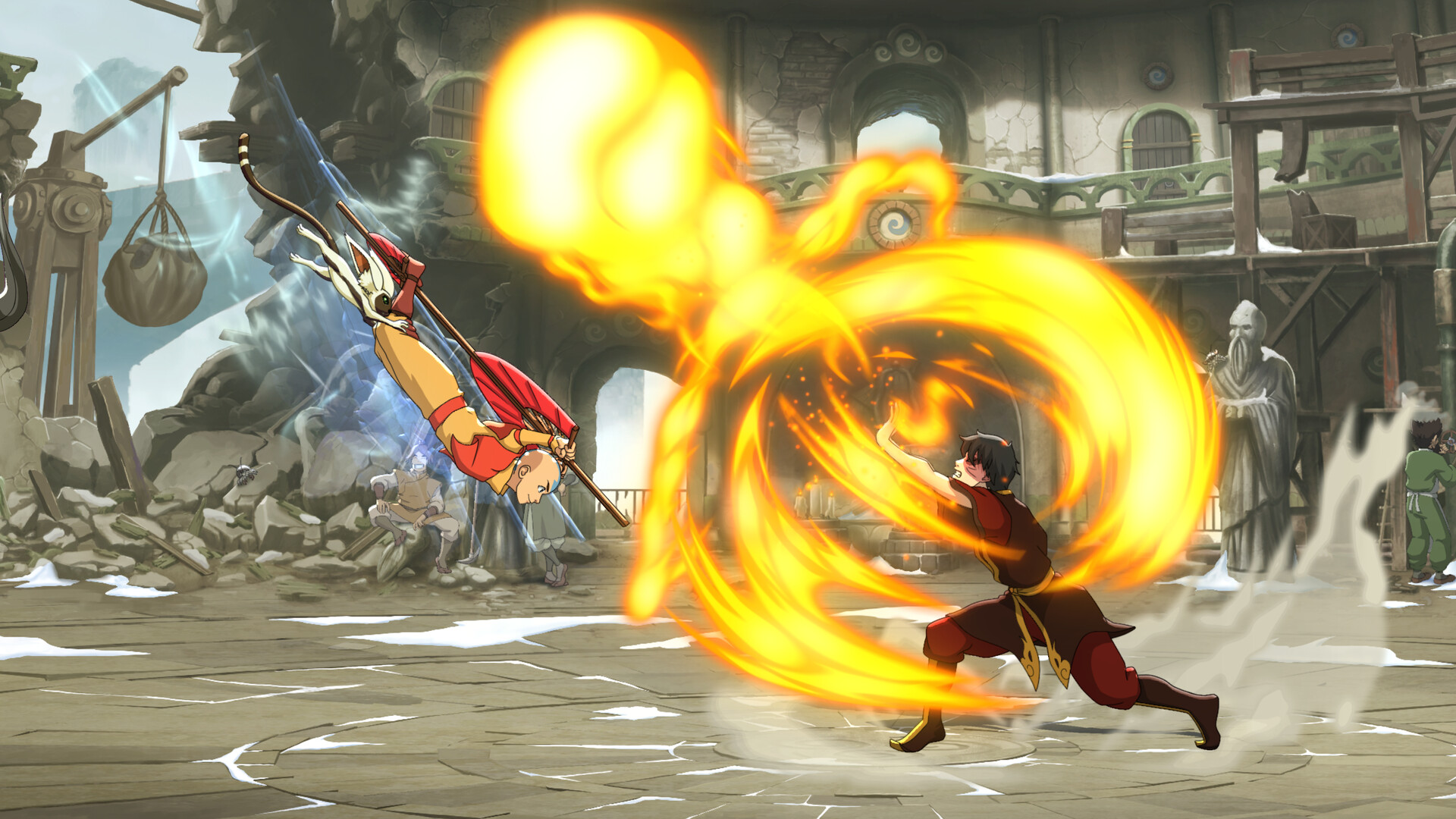
The controls are designed to let newcomers start bending quickly while leaving room underneath for players chasing mastery. Simple inputs get you throwing elements immediately, but the Flow System and support character interactions create layers that competitive players can spend real time excavating. The specific tools here, momentum-based movement, support-driven special moves, element-specific fighting styles, give the game a distinct shape. Whether that shape holds up under tournament-level scrutiny remains to be seen, but the foundation is clearly built with that audience in mind.