

Blades of Fire, the dark fantasy adventure from MercurySteam, launches on Steam on May 14, 2026, alongside a major 2.0 update rolling out across all platforms. Developed under the direction of CEO and Game Director Enric Alvarez, the game arrives with its Version 2.0 content baked in, including New Game Plus, a Boss Revival Mode, and the award-winning original soundtrack by composer Óscar Araujo.
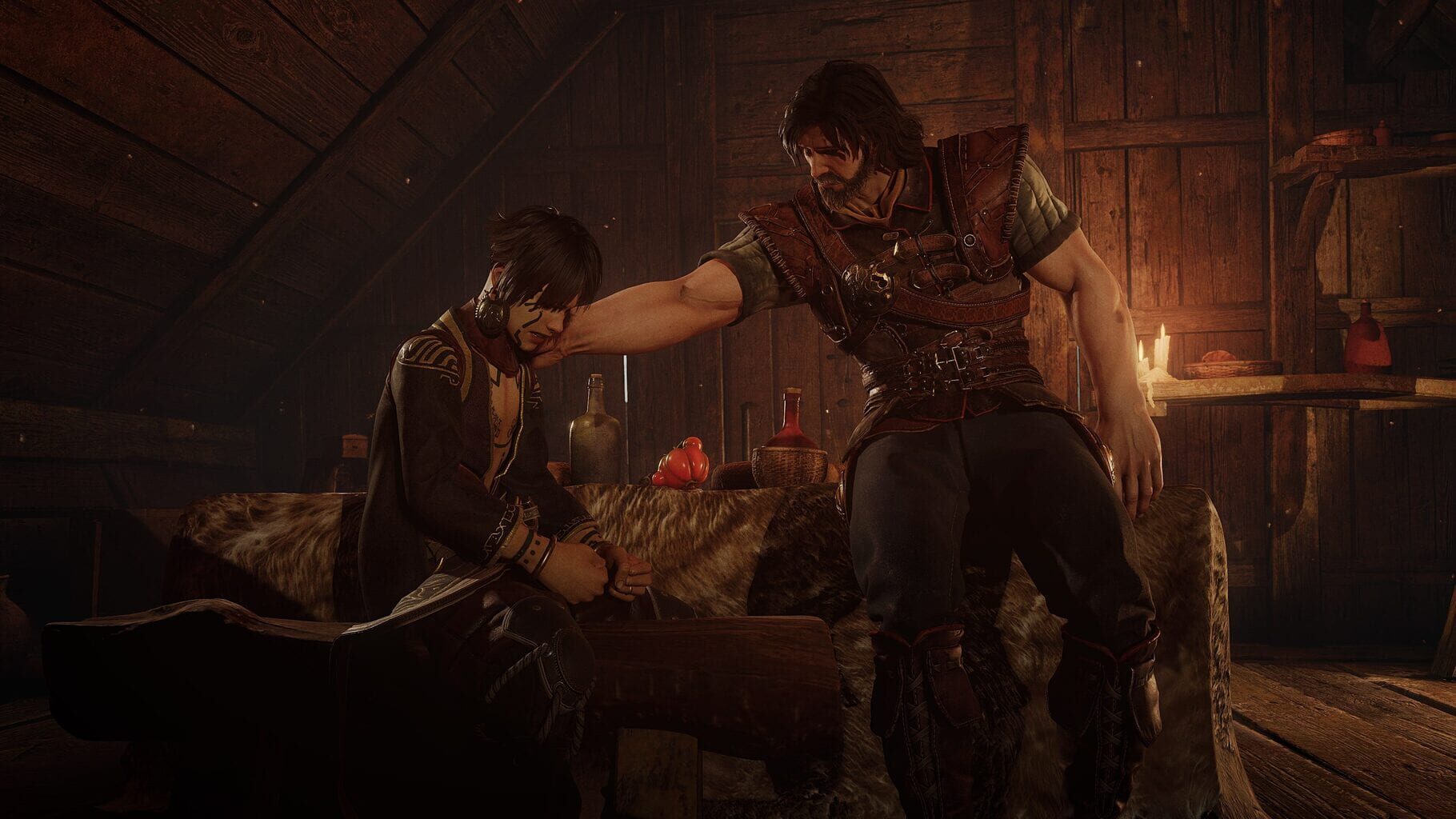
The setup is built around a single premise: steel is dying. Queen Nerea has cast a spell that turns metal to stone, and only her own forces, described as arms of abominations, still wield weapons forged from divine metal. Every other blade shatters against them. Into this walks Aran de Lira, firstborn of the King's Ward and the last warrior capable of forging true steel. His journey is less about amassing an arsenal and more about the act of forging itself, choosing materials, preparing for specific enemies, and living with the consequences of those decisions. Accompanying Aran is Adso, a young mindscholar who carries the world's history and mythology in his head and shares it only when asked. Story here is not delivered through cutscenes. It lives in dialogue and in Adso's writings, surfacing for players who seek it out rather than forcing itself on those who don't.
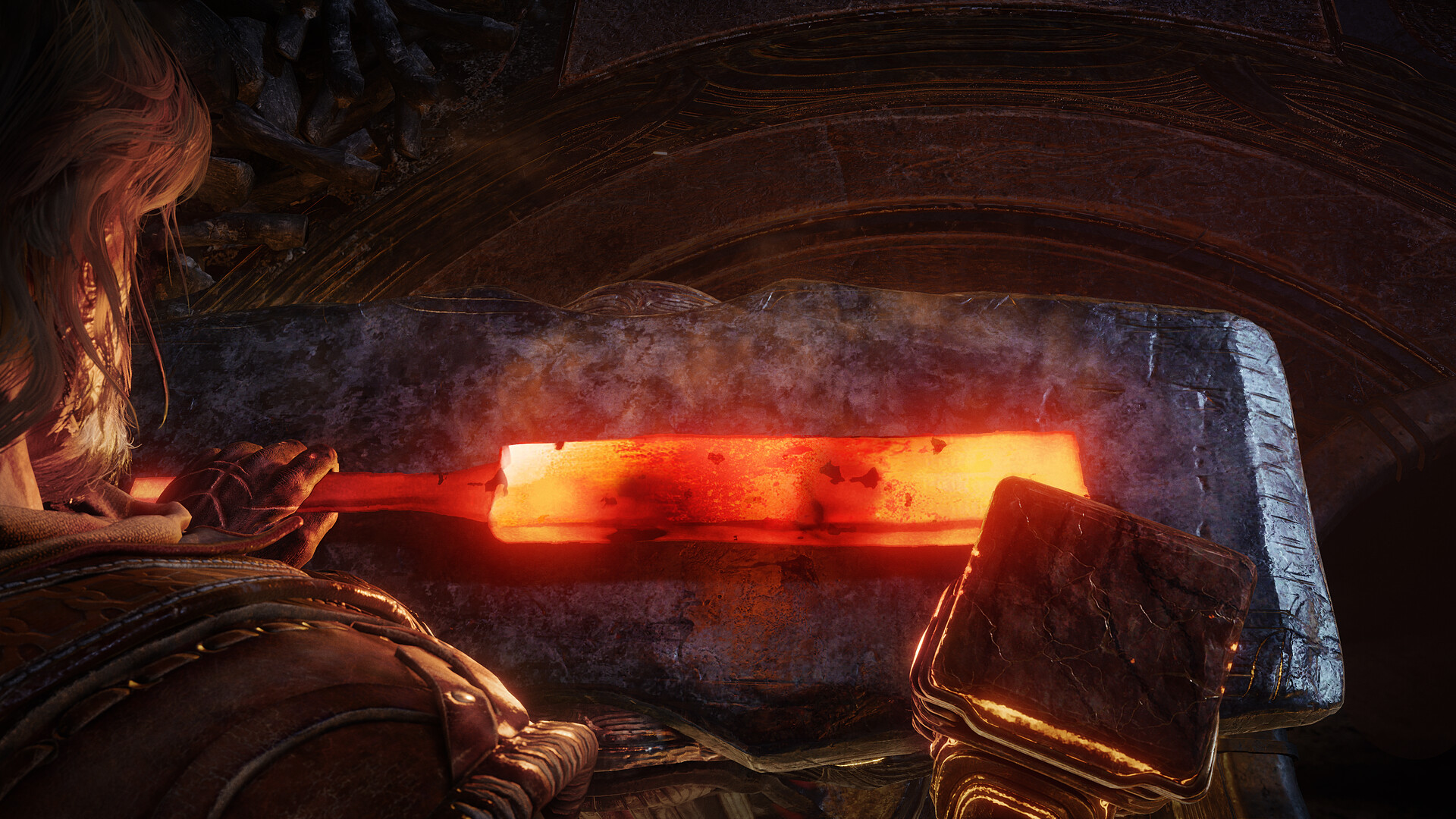
The forging system sits at the centre of everything. Weapons are shaped at the anvil through permanent choices that define their behaviour, balance, and purpose. There is no endless loot cycle, no disposable gear to sift through. Each blade reflects the materials chosen, the threats anticipated, the kind of fighter the player has decided to become. MercurySteam describes it not as crafting but as commitment, and the distinction matters. Steel remembers what you put into it, and you carry that forward into every encounter.
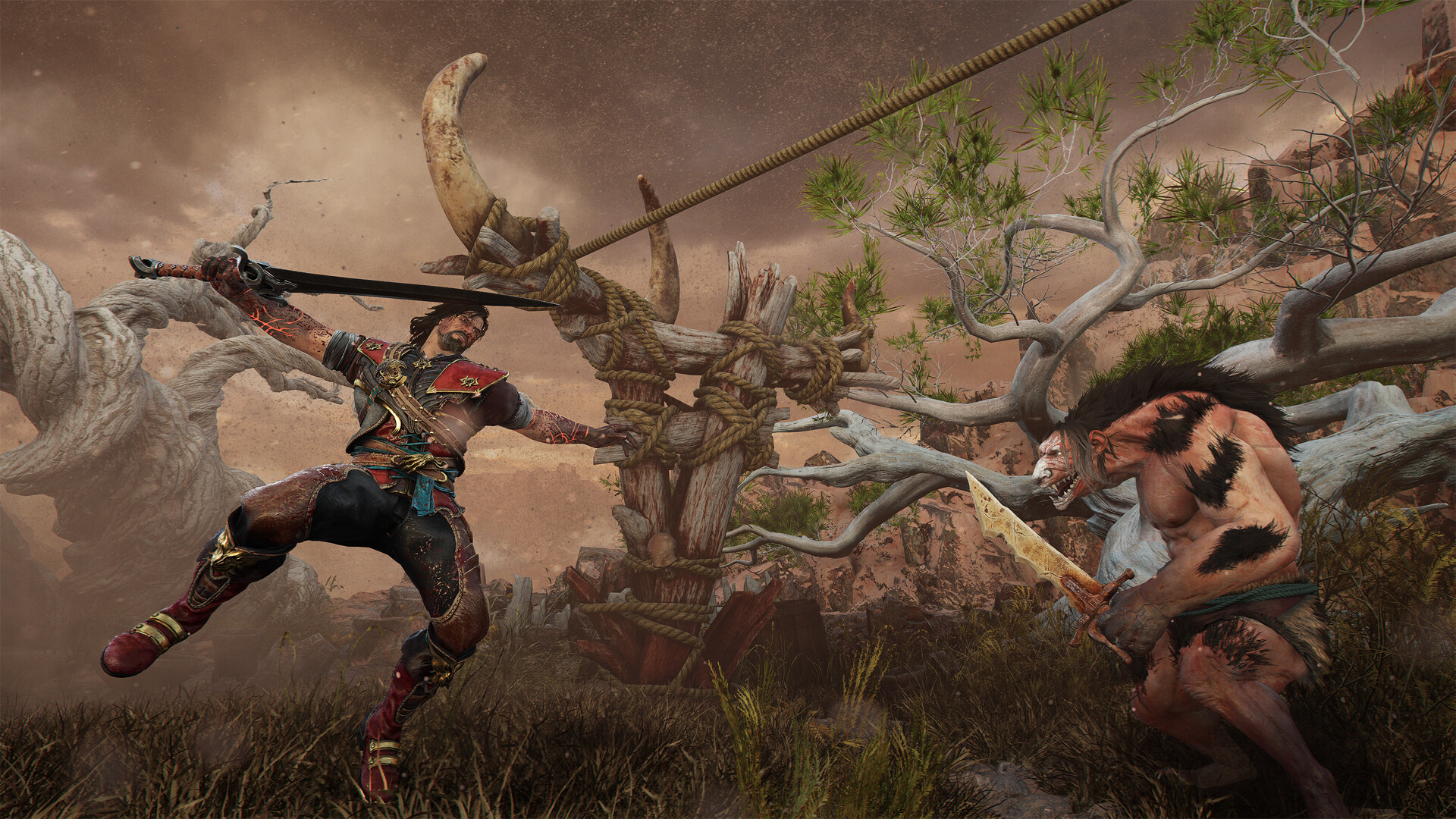
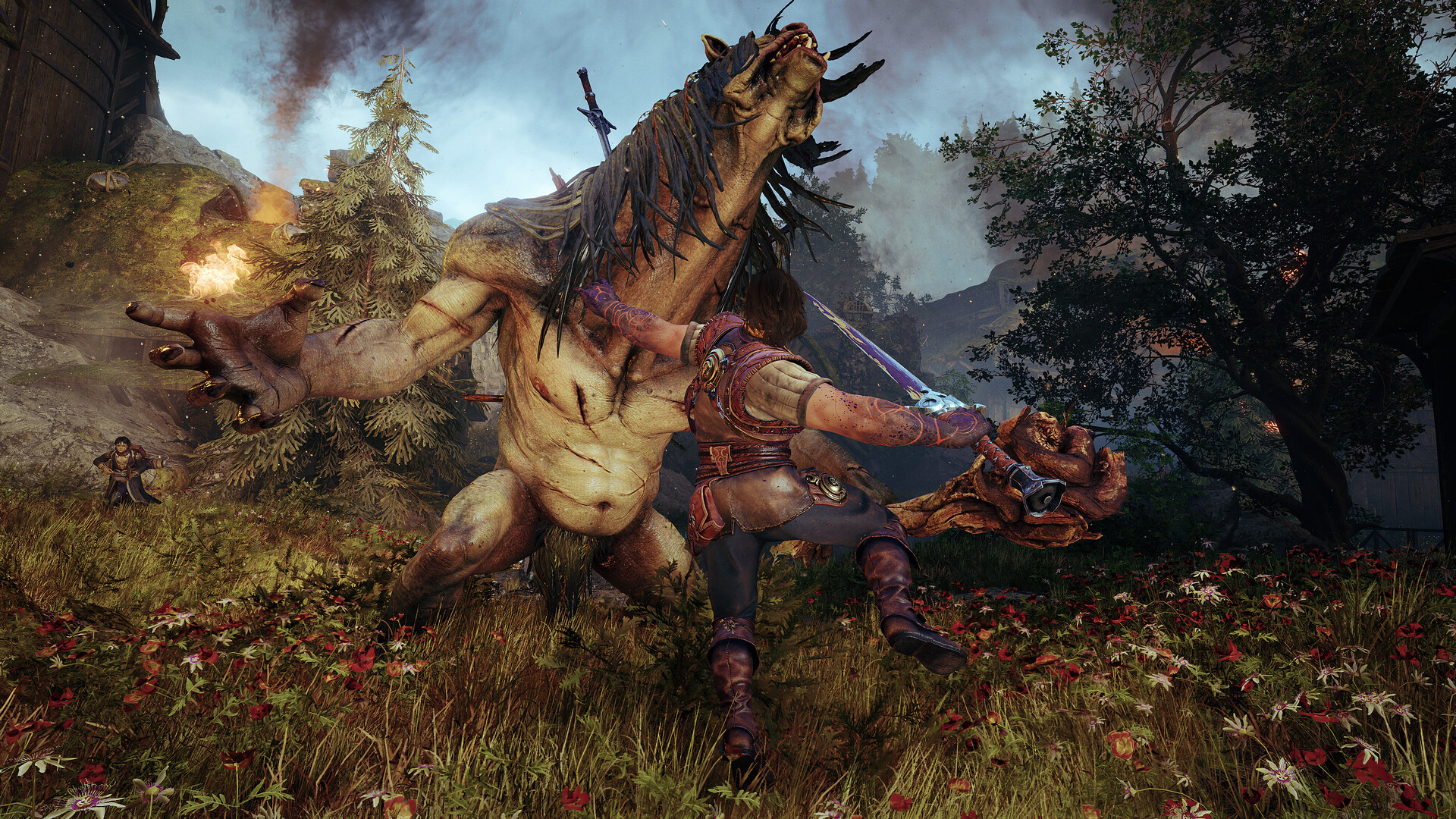
Combat runs on patience and positioning rather than aggression. Every strike commits you to its full animation. Every mistake carries real cost. Stamina, spacing, timing, and defense all take priority over raw damage output, and weapon choice is tactical rather than cosmetic. Enemies punish recklessness and reward observation. You don't overpower your foes in Blades of Fire. You outlast them. The 2.0 update deepens this further with Adso's Spells, abilities tied to Boss Revival Mode rewards that layer special effects onto weapon capabilities, giving returning players new reasons to revisit fights they've already survived.
The pacing is deliberately slow and methodical. MercurySteam has built a game that asks for mastery rooted in understanding rather than reflexes, where power is earned at the anvil and not handed out through progression milestones. The world itself mirrors that philosophy, revealing its history and meaning only to players curious enough to dig. Much of what makes this setting feel lived in exists in the margins: in Adso's notes, in conversations initiated by the player, in the quiet spaces between fights where the weight of your choices settles.

Click to load trailer from YouTube
By clicking, you agree to YouTube's privacy policy. Data will be shared with Google.
Version 2.0 adds a New Game Plus mode alongside a new challenge tier called Titanium, new weapon parts and skins exclusive to subsequent playthroughs, and Elements Transmutation, which lets players change material types on their forged weapons. Boss Revival Mode opens up replaying boss encounters for fresh rewards. The update also brings expanded death and mutilation variations, improved animation transitions, and a Photo Mode. Lead Animator Joan Marc Fuentes has spoken about the sheer quantity and variety of weapons and enemies that shaped the game's visual development, and the 2.0 improvements build on that foundation with smoother animation transitions.
Blades of Fire is a game where the forge and the battlefield are inseparable. The blade you carry into a fight was shaped by your own hand, tuned to your own reading of the threat ahead, and every swing of it carries the full weight of that decision.