

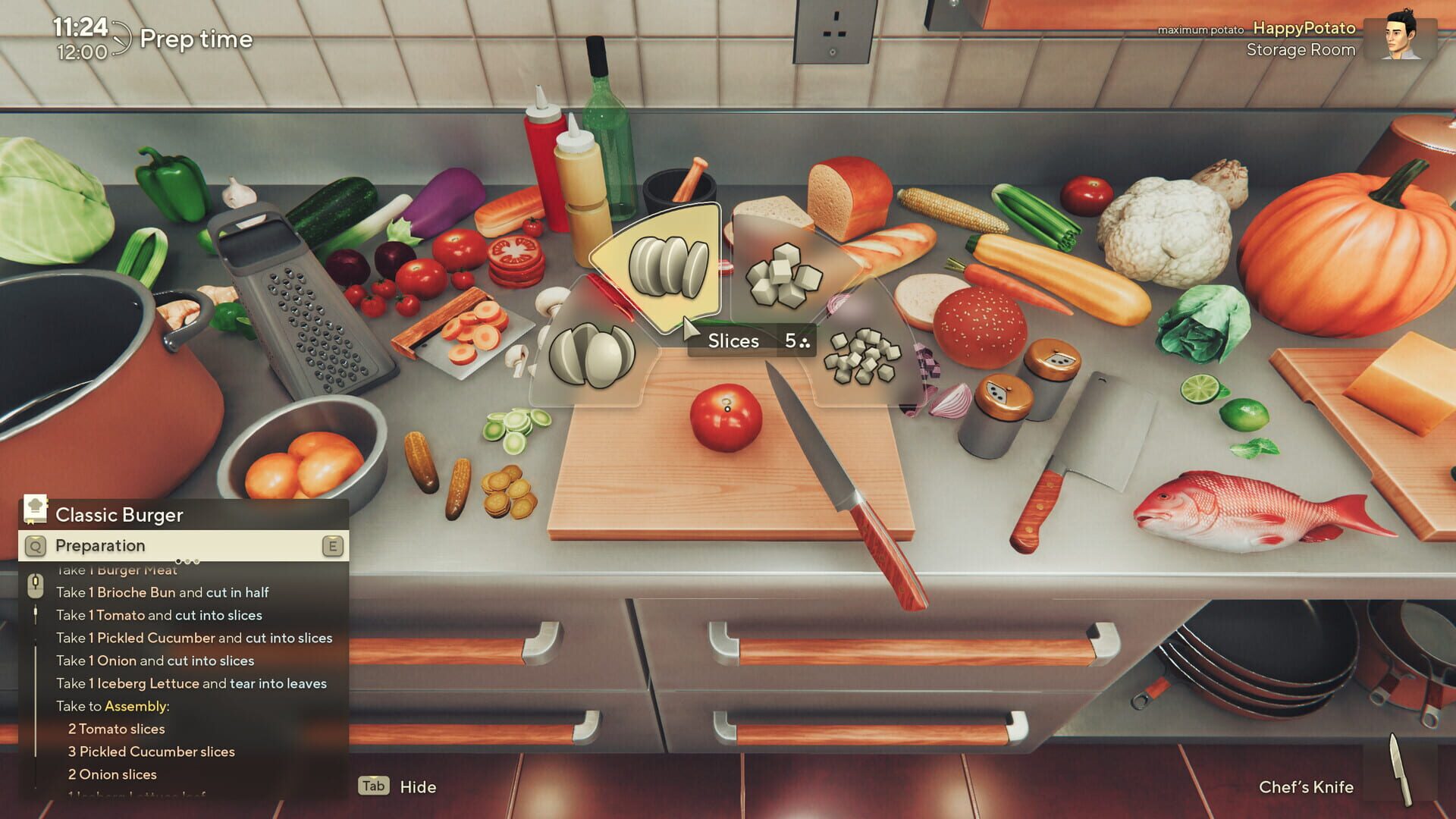
Cooking Simulator 2: Better Together launched on Steam on March 31st with a 15% discount off its $24.99 price, bringing co-op multiplayer to a series that previously kept players alone behind the stove. Developed by Big Cheese Studio, the sequel builds on the original's simulation foundation with shared kitchens, a progression system tied to a culinary academy, and a recipe creation tool that lets players design their own dishes from scratch.
The core of the game is restaurant service. Players prep ingredients, manage cooking temperatures and timing, plate dishes with care, and serve guests who each arrive with their own moods and expectations. Every dish gets evaluated, and the results hinge on preparation, timing, and presentation working together. The simulation side runs deep enough that burnt steaks and frozen centres are real hazards, and keeping stations clean and shelves stocked is as much a part of the job as the cooking itself. Professional equipment demands attention to detail, from picking the right cuts to holding dishes at the correct temperature before they reach the table. Where things get interesting is the recipe system. Dozens of base recipes serve as starting points, but players can adjust ingredients, swap techniques, and tweak flavours to create signature dishes. These aren't cosmetic changes: customers respond to what's on the plate, and discovering combinations they crave is part of the long game.
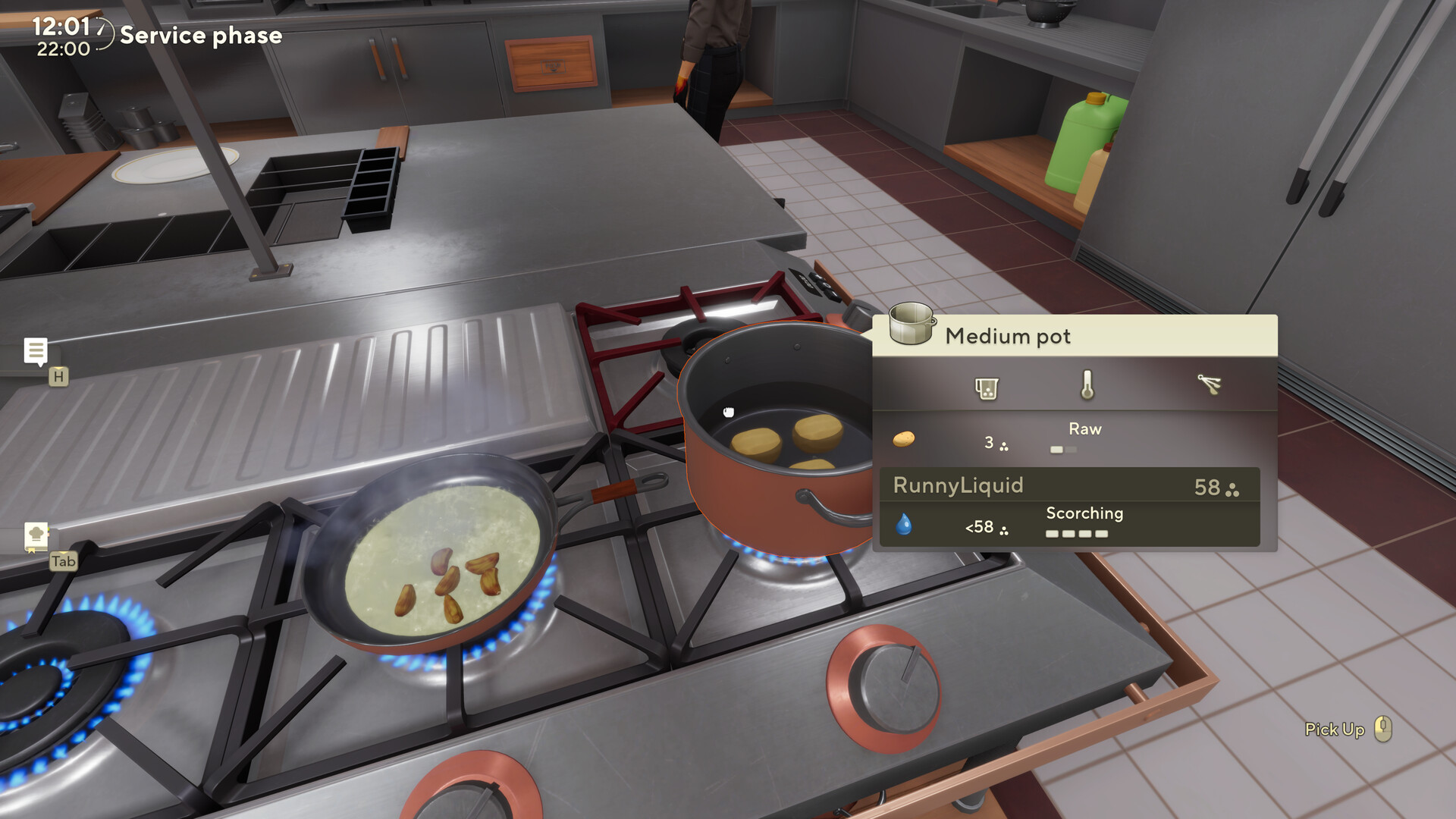
That long game is where Cooking Simulator 2 puts most of its weight. Experience and prestige unlock new skills, perks, and advanced techniques that expand what's possible in the kitchen. The Concorde Culinaire, an in-game culinary academy, offers specialized challenges that reward mastery seals as players climb toward higher tiers of ability. It's a structured career path layered on top of the freeform cooking, giving each service a sense of forward momentum. Learning what customers actually want, developing dishes with unique qualities, and transforming a modest kitchen into something more ambitious all feed into that progression loop.
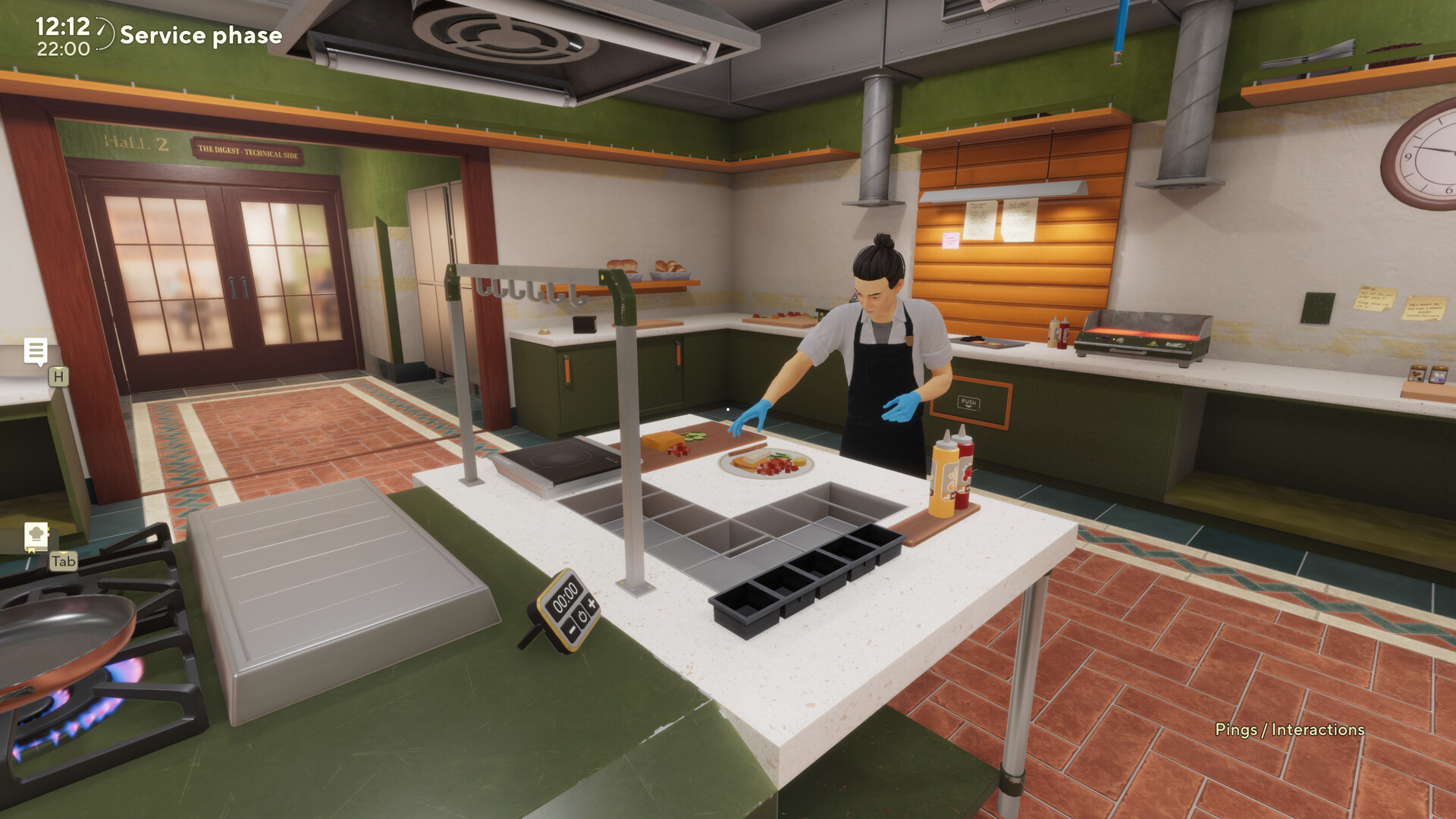
The journey starts small. Players begin in a compact but promising restaurant, and the early days are about learning ingredients, refining technique, and figuring out a personal cooking style. Guests aren't passive either: their quirks and expectations shape how each service plays out, and whether they leave impressed or furious depends entirely on what comes out of the kitchen. Between services, players can retreat to a personal apartment to experiment freely, cook for fun, or just eat a well-earned meal. Chef customization runs through hairstyles, outfits, and tattoos, giving some personality to the character behind the apron.

Click to load trailer from YouTube
By clicking, you agree to YouTube's privacy policy. Data will be shared with Google.
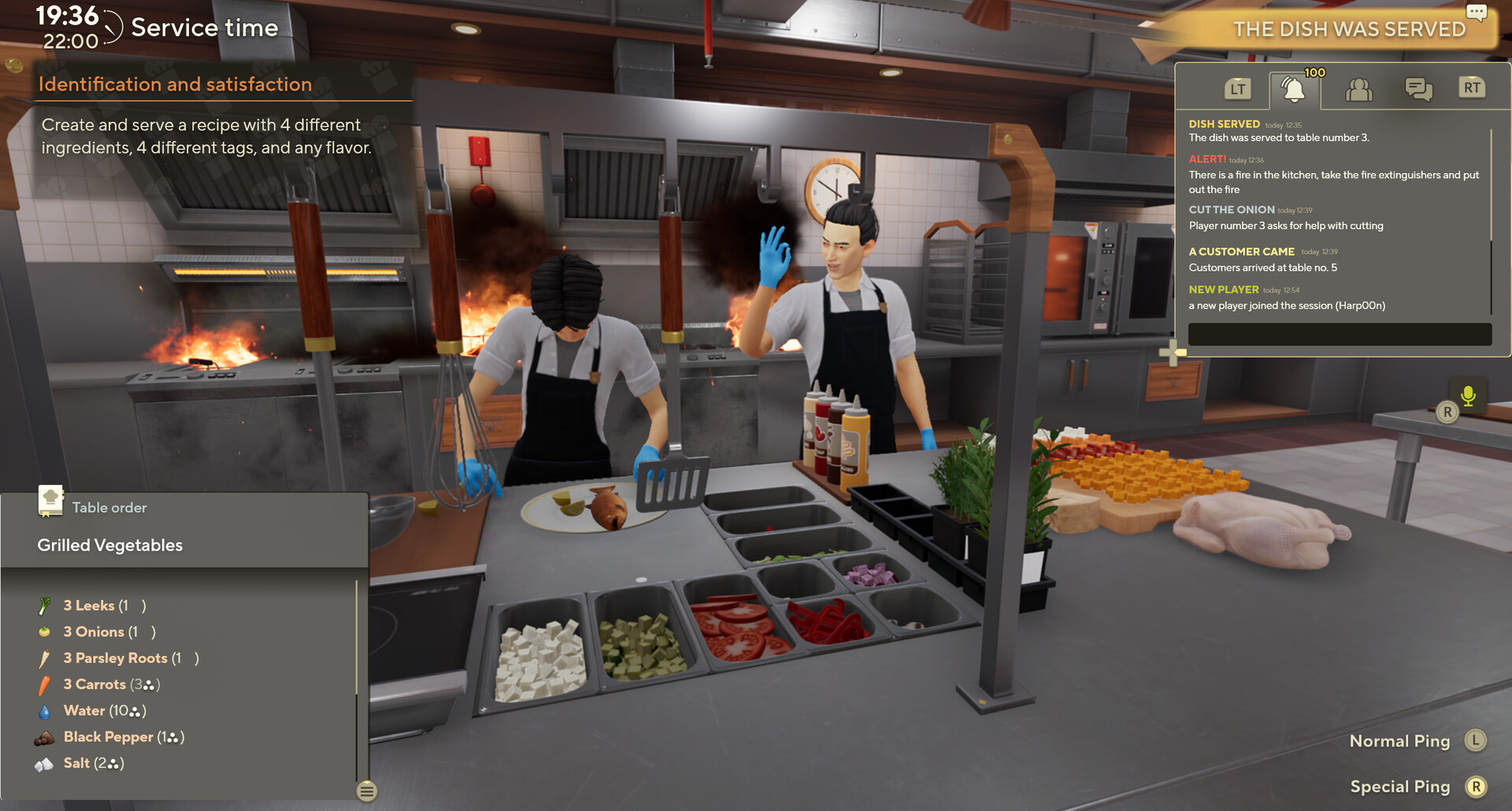
Multiplayer co-op is the headline addition. Friends can jump into a shared kitchen bringing their own gear and skills, dividing responsibilities in real time. One player preps, another cooks, someone else plates and serves. When communication holds, the kitchen flows. When it doesn't, things spiral. Miscommunication and last-second recoveries make every session unpredictable, and the game leans into that tension between precision and chaos. There's also a sandbox mode for players who want to skip the pressure entirely, where the kitchen becomes a space for ridiculous experiments, recipe testing, or just starting a food fight. Profits from co-op services can be split between players.
And then there's the destruction. Bad service, difficult customers, a dish that fell apart at the worst possible moment: the game gives players a release valve. Smash things, burn things, throw things. It's a deliberate design choice, a chaos option that sits alongside the careful simulation without undermining it. The kitchen is yours to run with discipline or to wreck when discipline fails. Cooking Simulator 2 holds both impulses in the same space, letting the tension between a perfectly executed plate and a spectacular disaster define the rhythm of each session.