

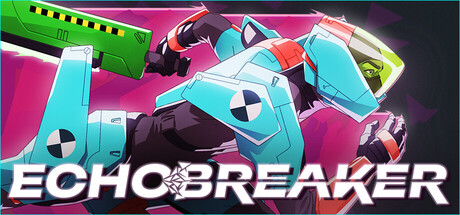
Echobreaker, a precision speedrunner from indie developer Upstream Arcade and publisher Weekend Games, is coming to PC via Steam in 2026. Players pilot an experimental armoured combat rig through live-fire test courses, chasing faster completions across 15 tracks with global leaderboards tracking every run.
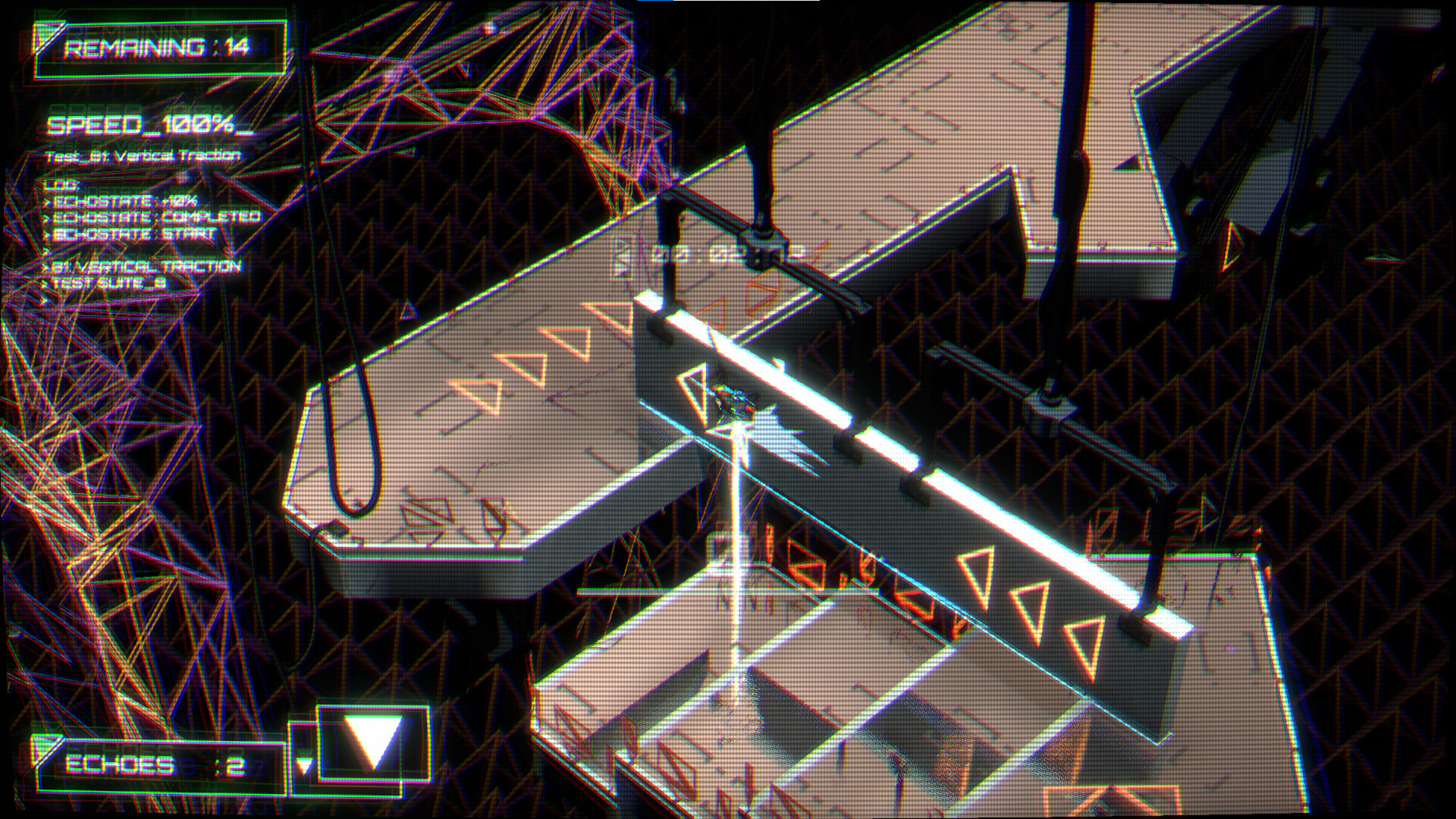
The year is 2097, and TDS Industries has brought you in to evaluate a rig powered by something called the Temporal Echo Drive, a volatile piece of technology that lets you fracture and manipulate time itself. The test courses are uncompromising, built to simulate real combat conditions complete with enemies that serve a dual purpose. Take them out and you gain explosive bursts of speed, turning combat into a momentum tool rather than a distraction. Every track functions as a high-speed puzzle where the question isn't just whether you can survive but whether you can thread the needle between aggression and precision. Speed costs health. Pushing harder means risking more. The tension between going fast and staying alive is the engine that drives every run.
The tension gets sharper through the Echo State, a time-slowing ability tied to the Temporal Echo Drive. Activating it lets you land difficult jumps and navigate routes that would be impossible at full speed, but the real trick is knowing when to use it and when to trust your reflexes instead. As momentum surges, time fractures around you, revealing risky shortcuts and hidden advantages baked into each course. Combined with double jumps and time-bending power-ups, the toolkit gives skilled players room to find increasingly creative lines through levels designed to punish sloppy execution. Instant restarts keep the loop tight. Fail, reset, go again. The gap between a slow run and a world record is finding the right flow state and committing to it.
Upstream Arcade, the independent British studio behind Hellboy Web of Wyrd and West of Dead, was founded by BAFTA-winning developers from Lionhead Studios. Echobreaker marks a sharp departure from their previous work, trading third-person action for something built entirely around speed and repetition. The competitive structure is straightforward: tiered medals for each run, ghost recordings of your own best times to race against, and a global leaderboard where the fastest pilots sit at the top. Fifteen tracks might sound lean, but the design philosophy here is route optimization and mastery over volume, courses meant to be run dozens of times as you shave seconds off your personal best.
Visually, Echobreaker leans into its cyberpunk setting. The science facility courses are drenched in neon colour, giving the game a distinct look that keeps each track readable even at the speeds the rig can reach. The aesthetic serves the gameplay, bright and clear enough that split-second decisions about which route to take or which enemy to engage don't get lost in visual noise.
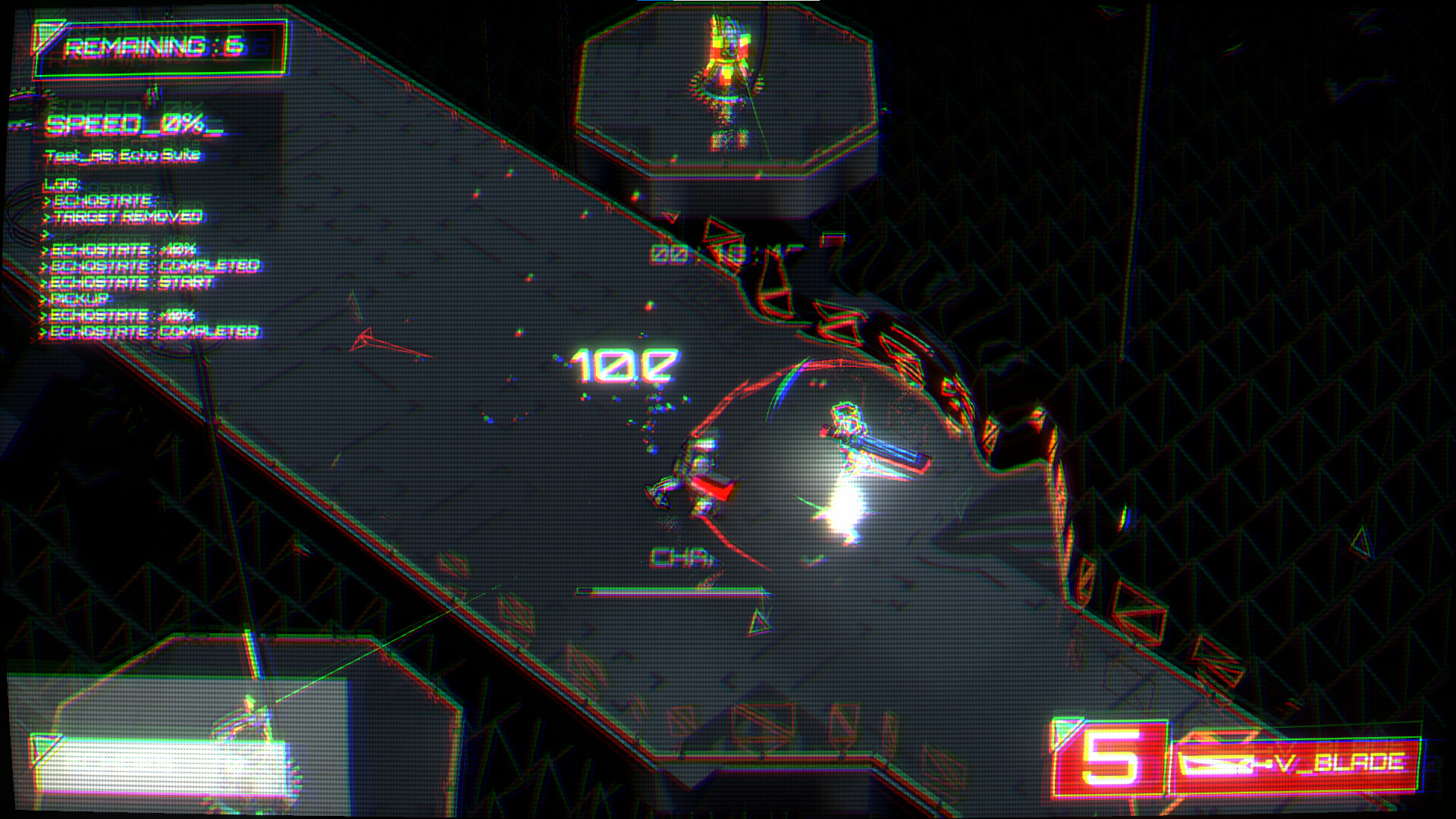
Everything in Echobreaker feeds back into that core question of how much you're willing to sacrifice for a faster time. Health is currency, combat is acceleration, and the rig beneath you is powerful enough to break records if you can keep it, and yourself, from falling apart first.