

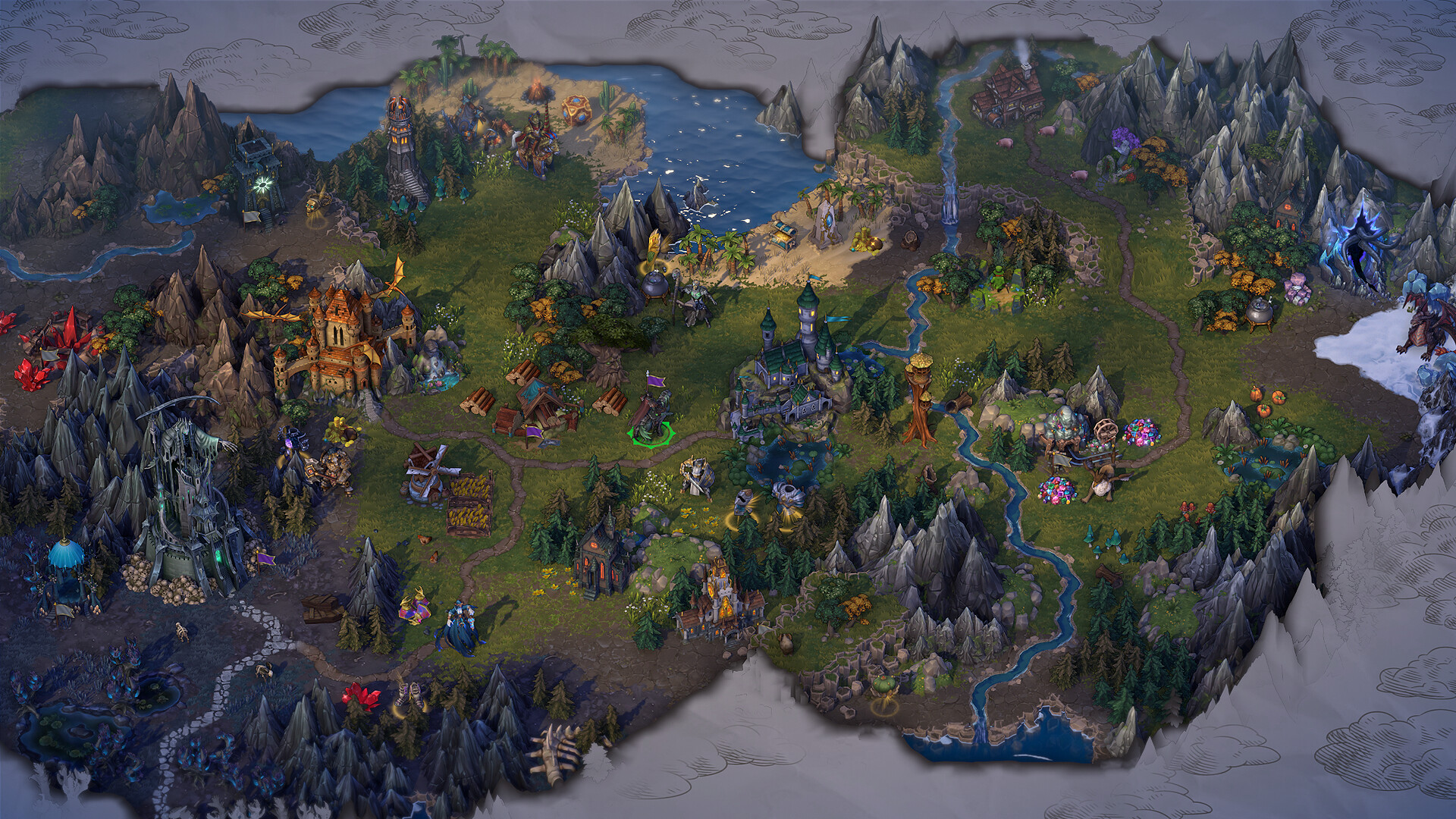
Heroes of Might and Magic: Olden Era launches into early access on PC via Steam and the Microsoft Store on April 30, 2026, with day one availability on PC Game Pass. Developed by Unfrozen and published by Hooded Horse alongside Ubisoft, this is the first new entry in the Heroes of Might and Magic series in over a decade.
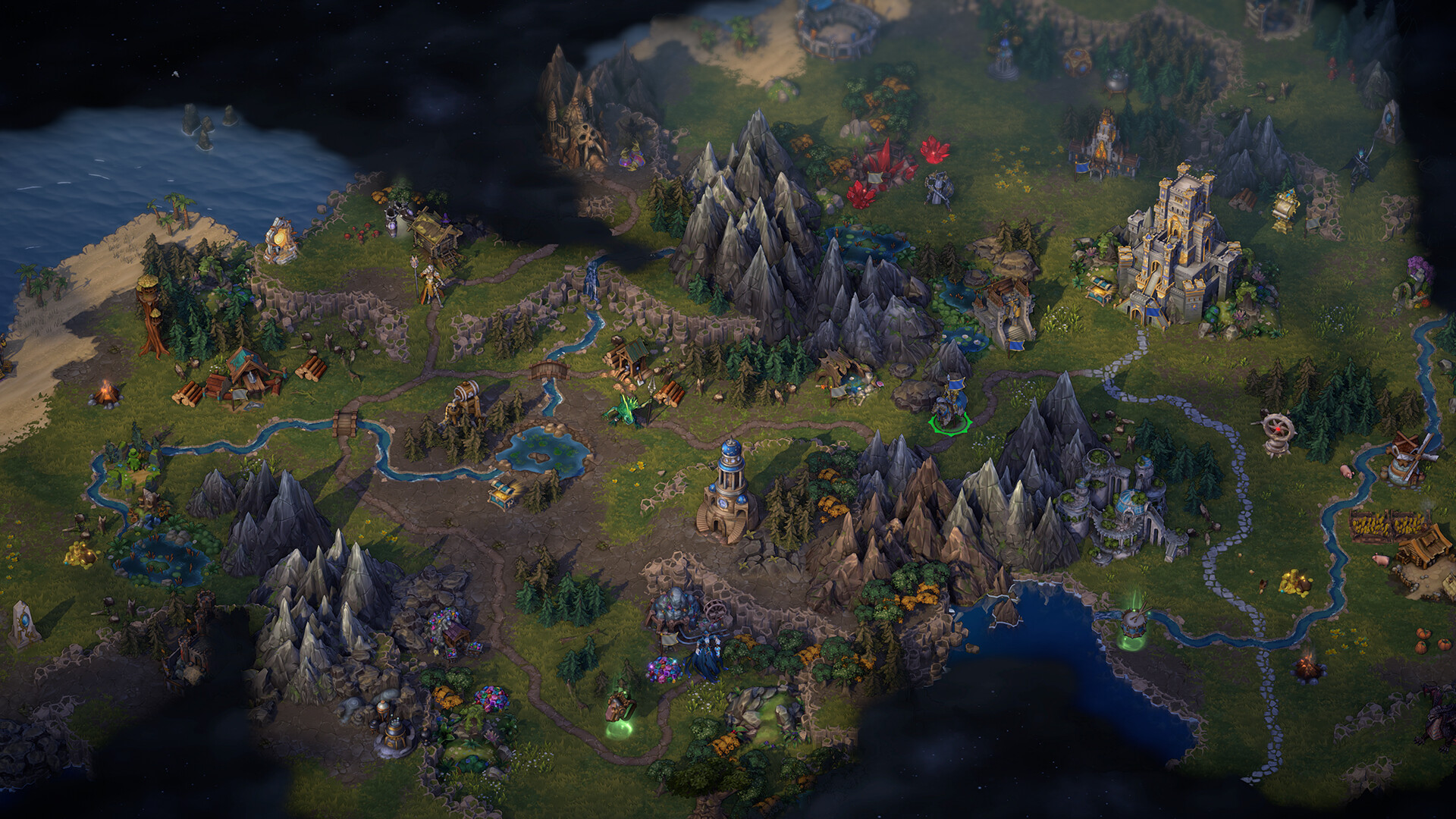
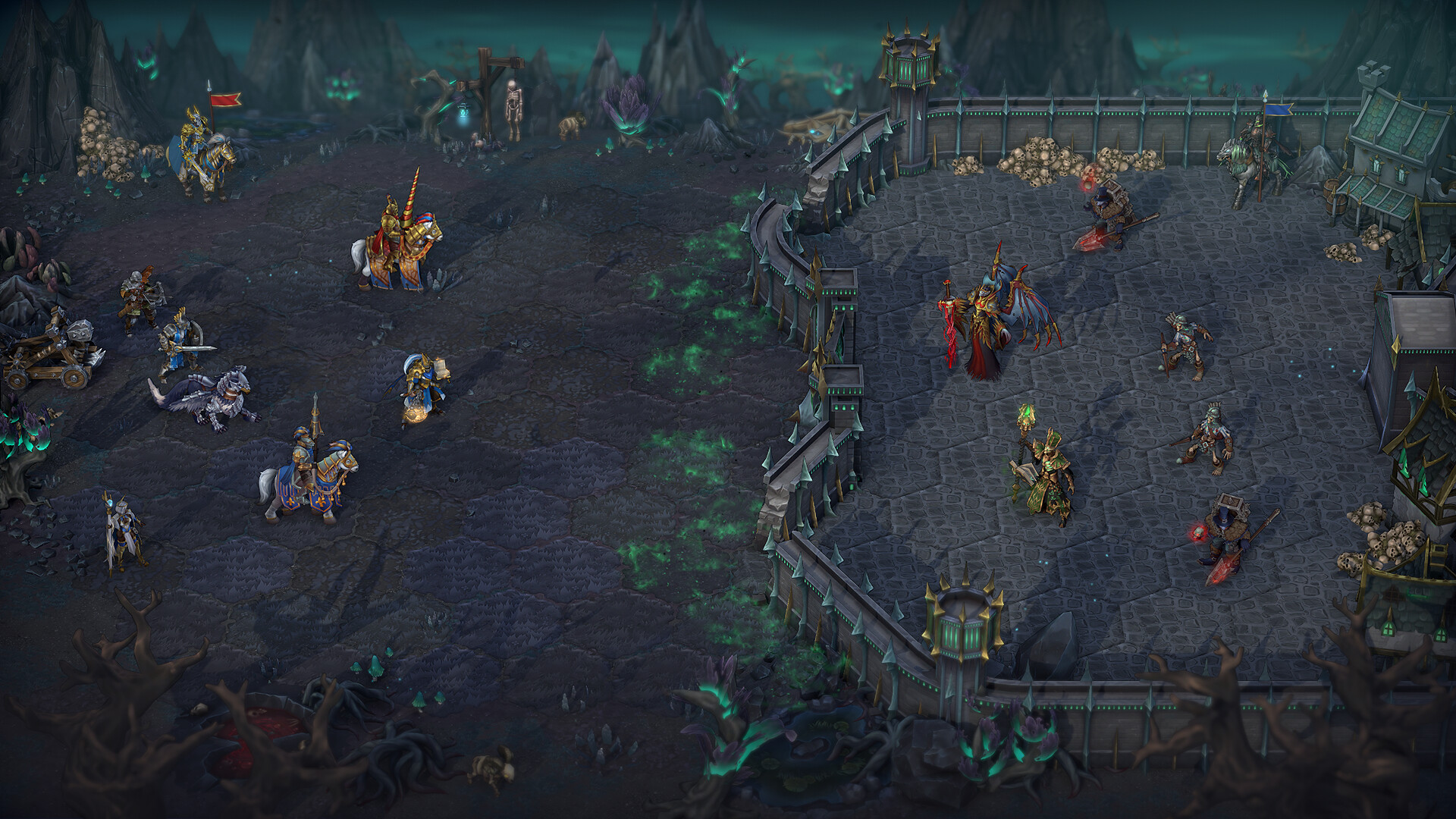
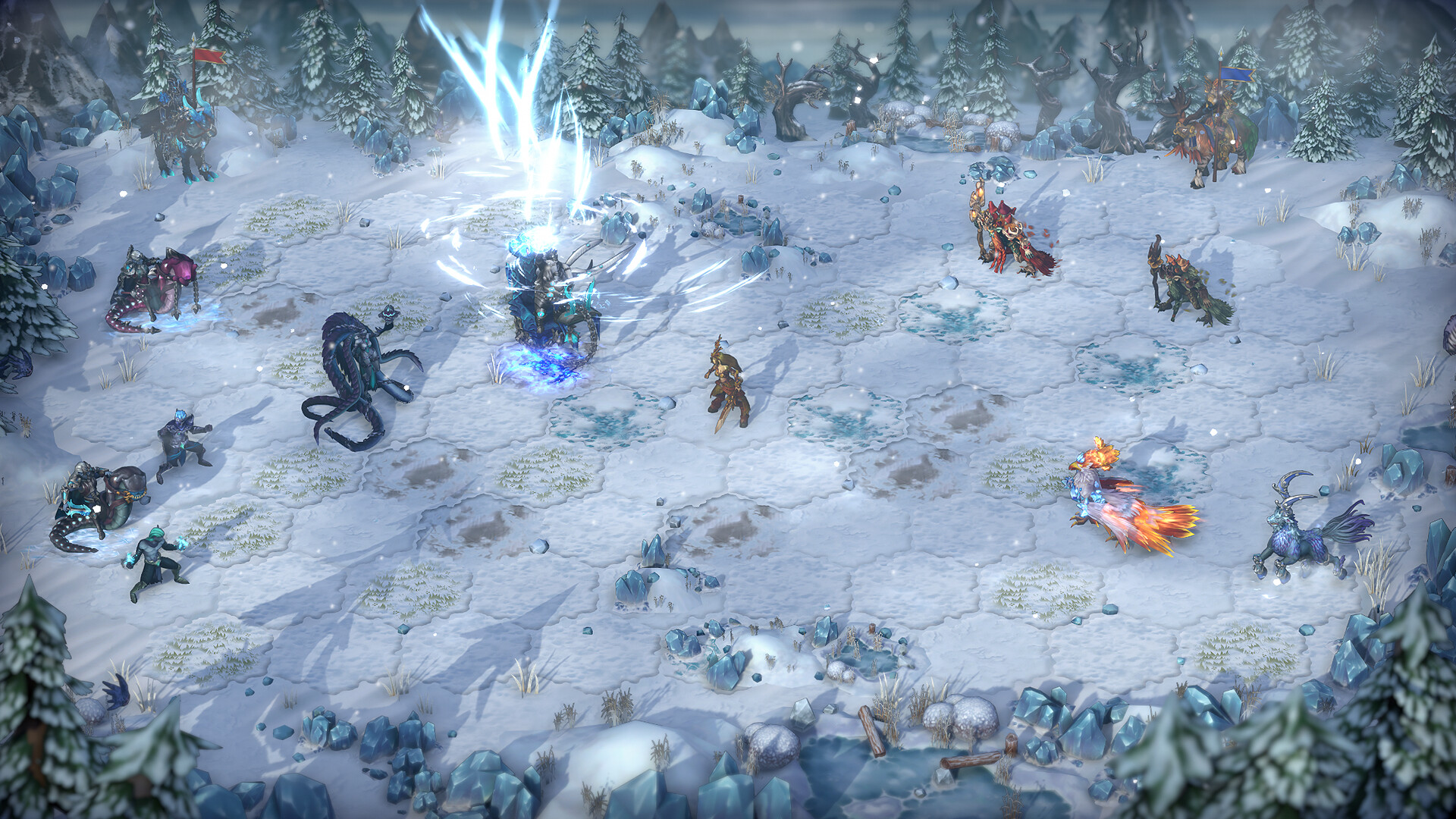
The core of Olden Era runs on the same strategic loop the series established years ago. Players recruit heroes, build cities, raise armies, and fight turn-based tactical battles across a strategic map. Six factions shape the way that loop plays out. The Temple fields armored knights and griffins capable of multiple counterattacks and devastating charges. The Necropolis commands fragile but dangerous vampires and liches that drain life from enemies and raise fallen warriors. The Grove calls on elemental spirits, while the Dungeon brings fire-breathing dragons. Each faction carries its own roster of unique units with distinct active and passive abilities, from teleporting troops beyond their normal movement range to summoning reinforcements mid-battle or shutting down an opponent's spellcasting. City structures unlock unit recruitment and upgrades into stronger variants, but players can also seek out dwellings scattered across the map to pull creatures from other factions into their armies, opening up cross-faction synergies that push beyond any single roster's limits.
Over a hundred unique heroes populate the game, each arriving with their own starting armies, skills, and spells. One hero might accelerate army movement across the world map. Another boosts the initiative of every unit under their command, or favours recruitment of a particular creature type, or generates resources to strengthen the economy. The sheer volume of hero and faction combinations gives the progression system real weight, because every choice about who to recruit and what to build cascades into how battles unfold several turns later.
The world spans both procedurally generated maps and hand-crafted ones, with an in-game map editor that opens the door for community-built scenarios. A narrative campaign threads through this setting, though the early access launch also includes Single Hero and Classic skirmish modes, an Arena mode, premade scenarios, and multiplayer. The variety of modes means the strategic map can feel different each session depending on whether players are pushing through a story or competing against friends on a random map.
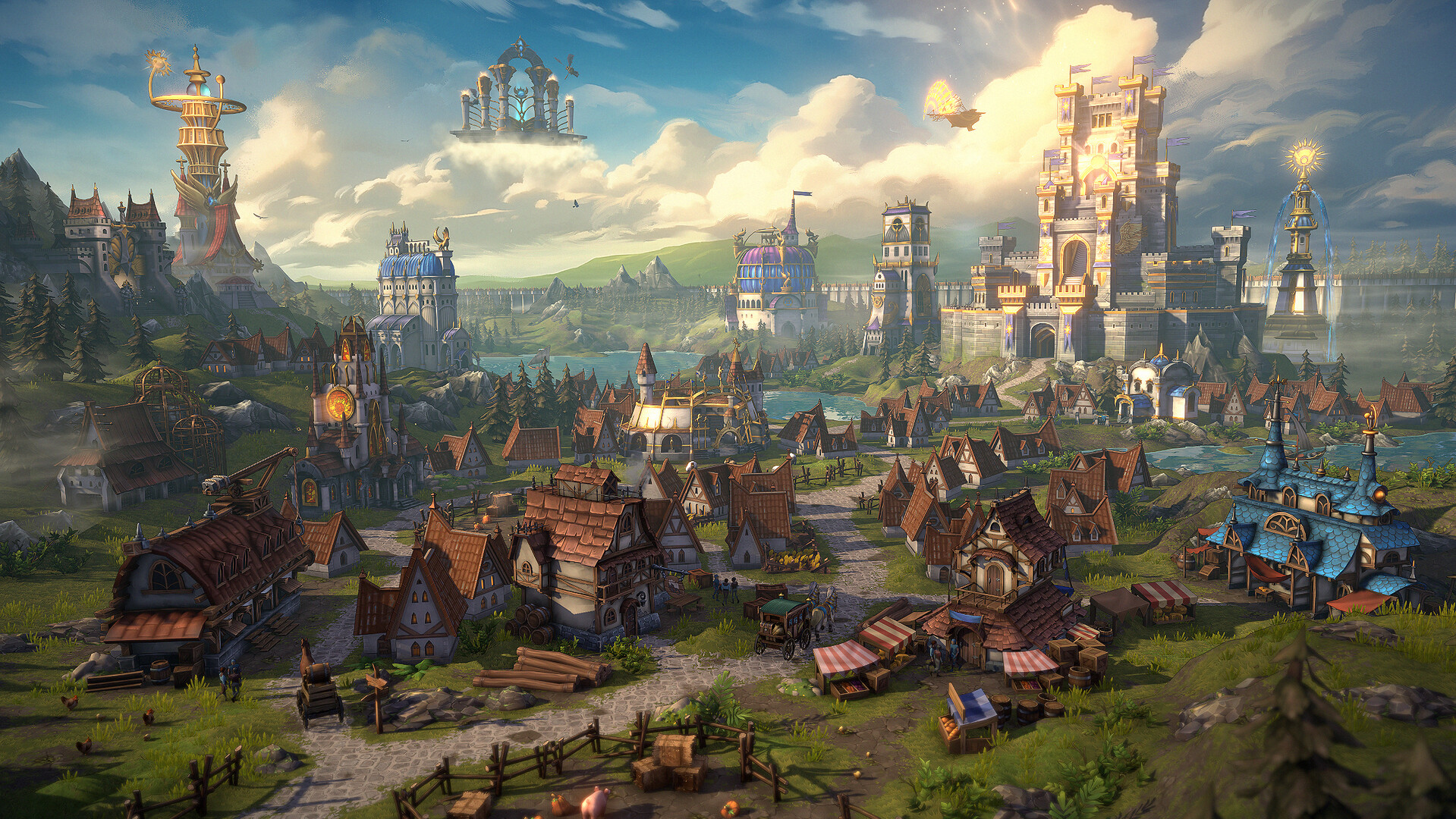
Unfrozen, founded in 2016 by industry veterans with credits on League of Legends, World of Warcraft, and Disciples 3, previously released Iratus: Lord of the Dead, which sold over 500,000 copies. Paul Romero, the composer whose orchestral scores for the original Heroes of Might and Magic games earned two spots on GameSpot Magazine's all-time top ten computer game scores, rounds out a three-way partnership between Hooded Horse, Unfrozen, and Ubisoft that positions the game between indie strategic ambition and the legacy weight of a major franchise.
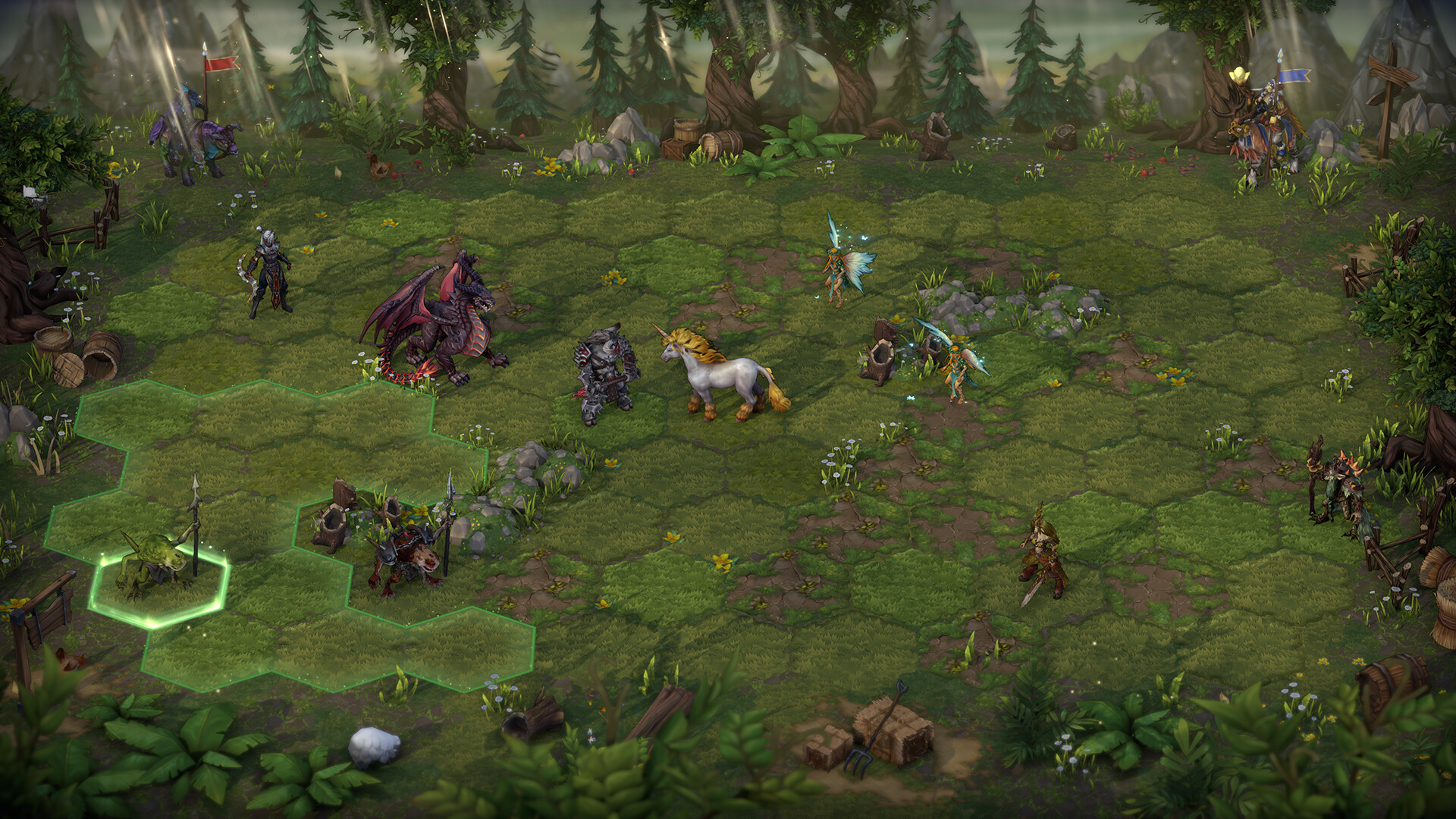
The narrative campaign is framed around impending doom in a land the series hasn't explored before, populated by formidable spellcasters, mythical creatures, and fierce champions. How much of that story is available at early access launch remains to be seen, but the structural pieces are already in place: faction identity that shapes army composition, hero progression that compounds over time, and a tactical battle system built around unit abilities rather than raw numbers. Olden Era is betting that the formula the series refined decades ago still has teeth when paired with modern map generation and community tools.