

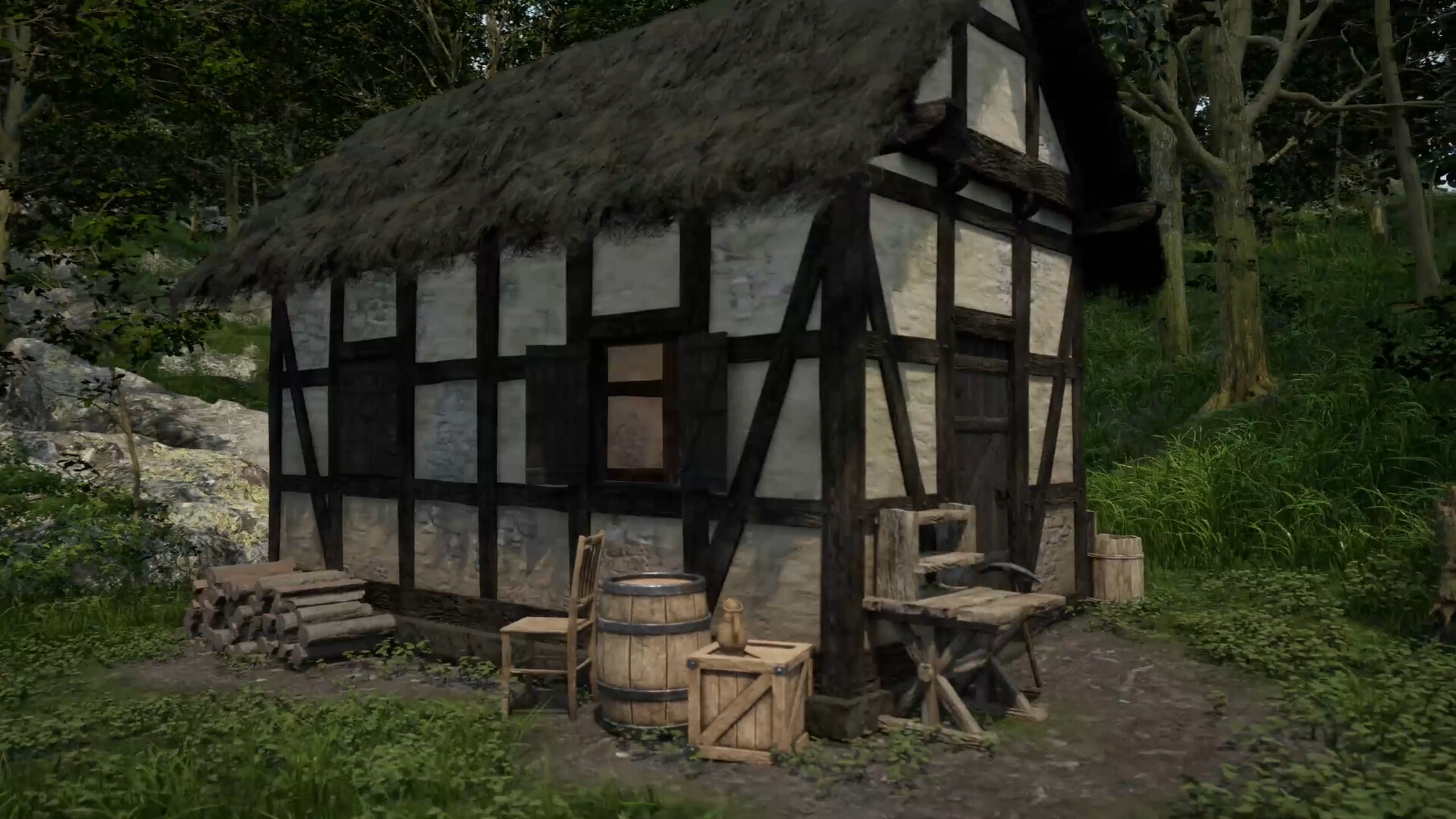
Medieval Frontiers from Active Fungus Studios has crossed 100,000 wishlists on Steam, with a full release now scheduled for Q2 2026 on PC. Published by PlayWay SA, the game currently has a free demo available on Steam that recently received a new update.
The setup is straightforward. Your village has been burned to the ground, and you find yourself alone in a remote valley with nothing but wilderness around you. What follows is a first-person colony sim where you build a new settlement from scratch, scavenge what the land provides, and search the wilds for other survivors to bring into your growing community. The valley is not welcoming. Famine, disease, and the sheer hostility of the environment press in from every direction, and the game frames your arc as a redemption quest from exile to something resembling a leader worth following.
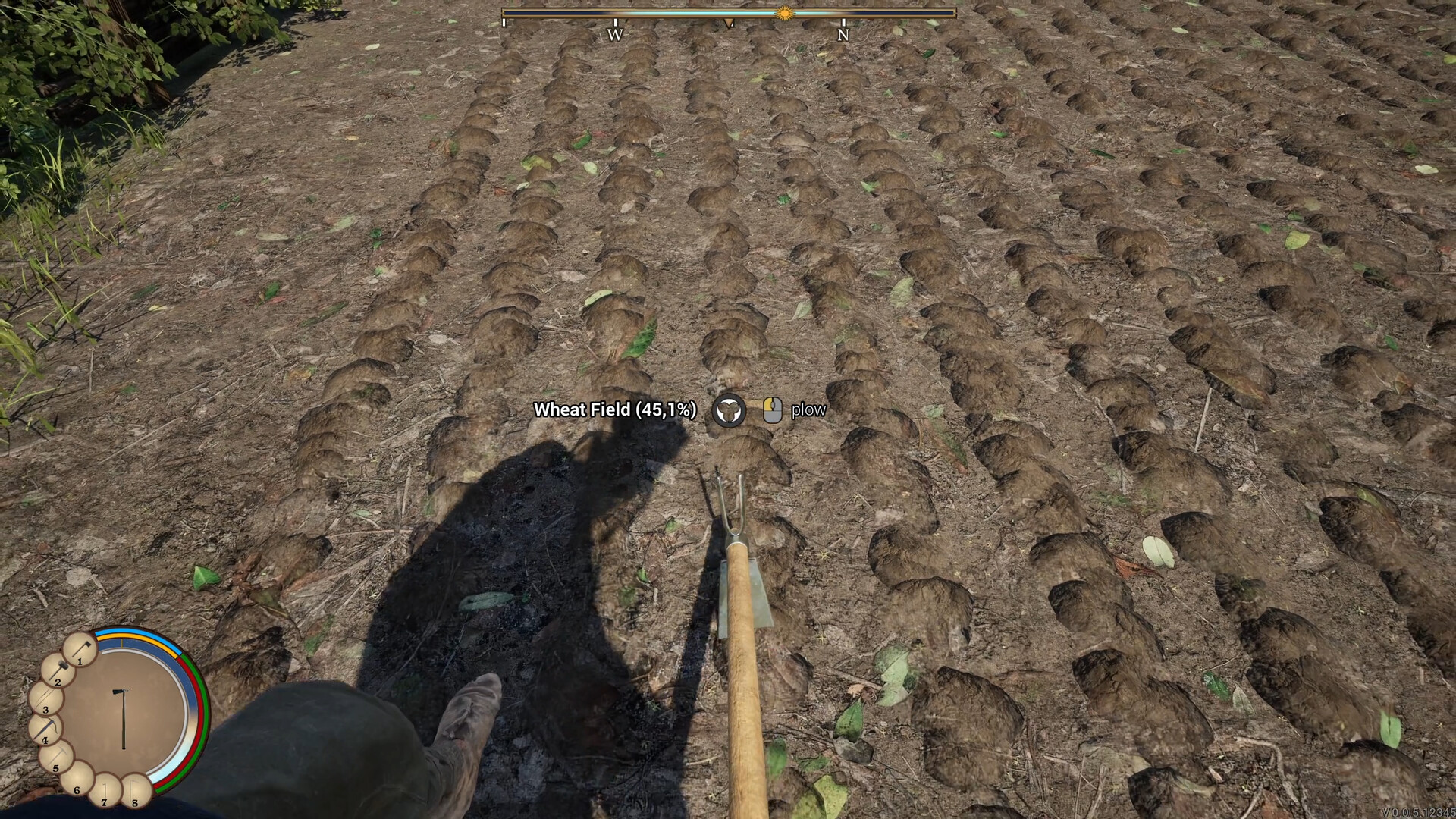
The world itself operates on scarcity. Forests can be razed for timber, but they don't grow back on your schedule. Resources deplete, and clear-cutting an area forces you to push further out, establishing longer supply lines to keep your settlement fed and functional. This is a landscape that gives reluctantly and punishes overreach. The moors and forests each carry their own dangers, and the changing seasons dictate what you can grow, what you can build, and how long your stores will last before winter closes in. There's a physicality to the economy here too. Resources don't teleport into some invisible stockpile. They have to be harvested, stored in actual containers, and moved by handcart across your settlement. Every log, every bundle of herbs occupies real space in the world.
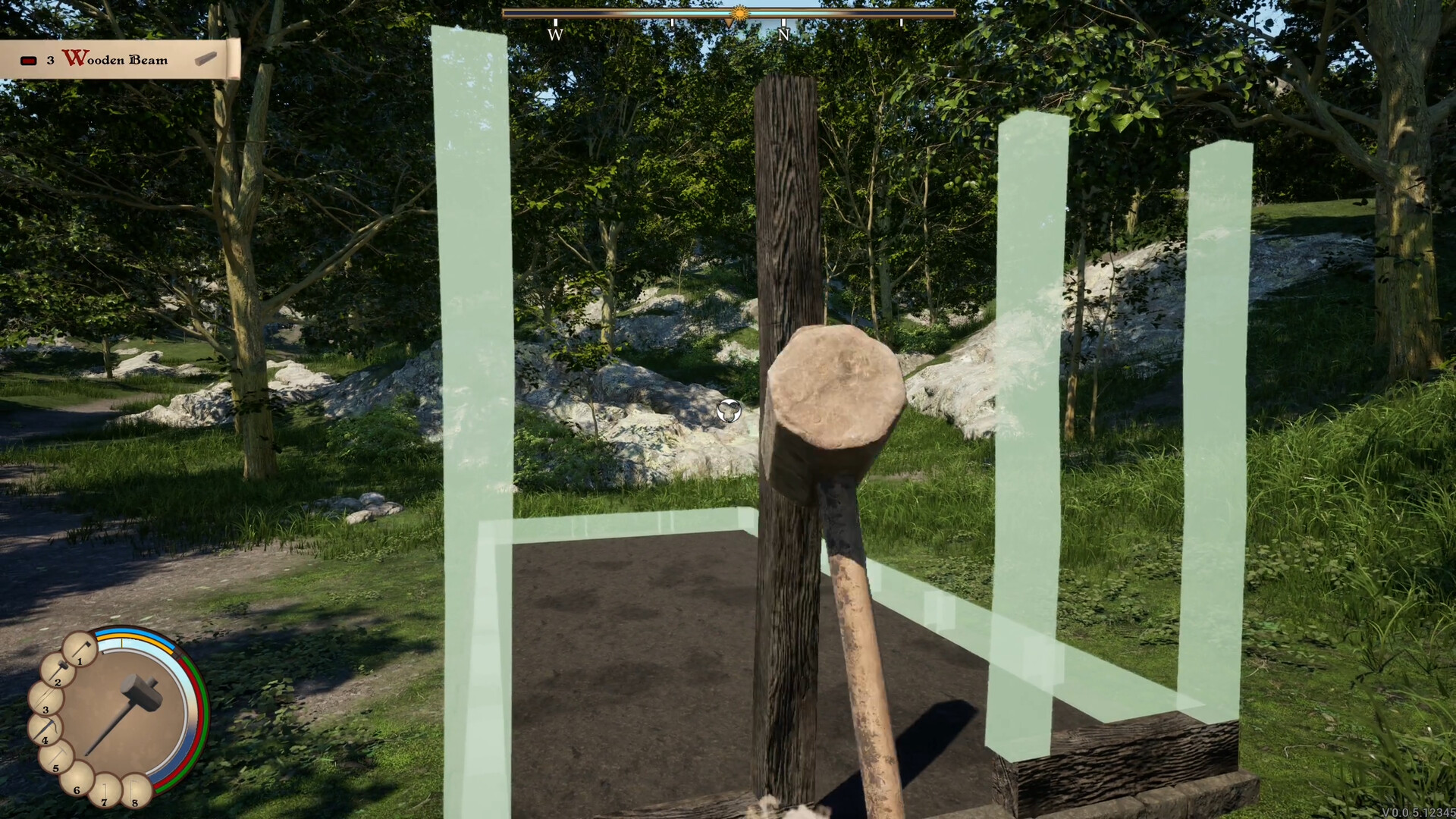
Building follows the same philosophy. There's no grid system locking you into predetermined layouts. You place structures, furniture, and workbenches freely, adapting to the terrain rather than flattening it. Hills and uneven ground become part of your settlement's shape rather than obstacles to work around. The construction feels less like snapping tiles together and more like carving a village out of the land you've been given.
The survivors you find scattered through the wilderness aren't interchangeable workers. Each one arrives with their own traits, needs, and personality, and assigning them roles means paying attention to their physical health, their mood, and what kind of work suits them. You decide who lives where, who does what, and how to keep morale from collapsing. Better furniture and amenities in their dwellings help, turning village management into something more granular than just dragging icons onto task slots. These are people with daily rhythms, not units waiting for orders.
Disease is treated as a systemic threat rather than a random event you click away. The game's illness system, called Gravedo, requires a deliberate diagnostic process. You gather herbs, use a mortar, and craft specific tinctures to treat what's actually wrong with your villagers. There are no instant-heal potions here. Keeping your community healthy means maintaining a supply chain of medicinal ingredients and understanding what each sickness demands, which ties directly back into how carefully you've managed the surrounding ecosystem. Strip the nearby forest bare and you might find yourself short on the very herbs keeping plague from hollowing out your workforce.
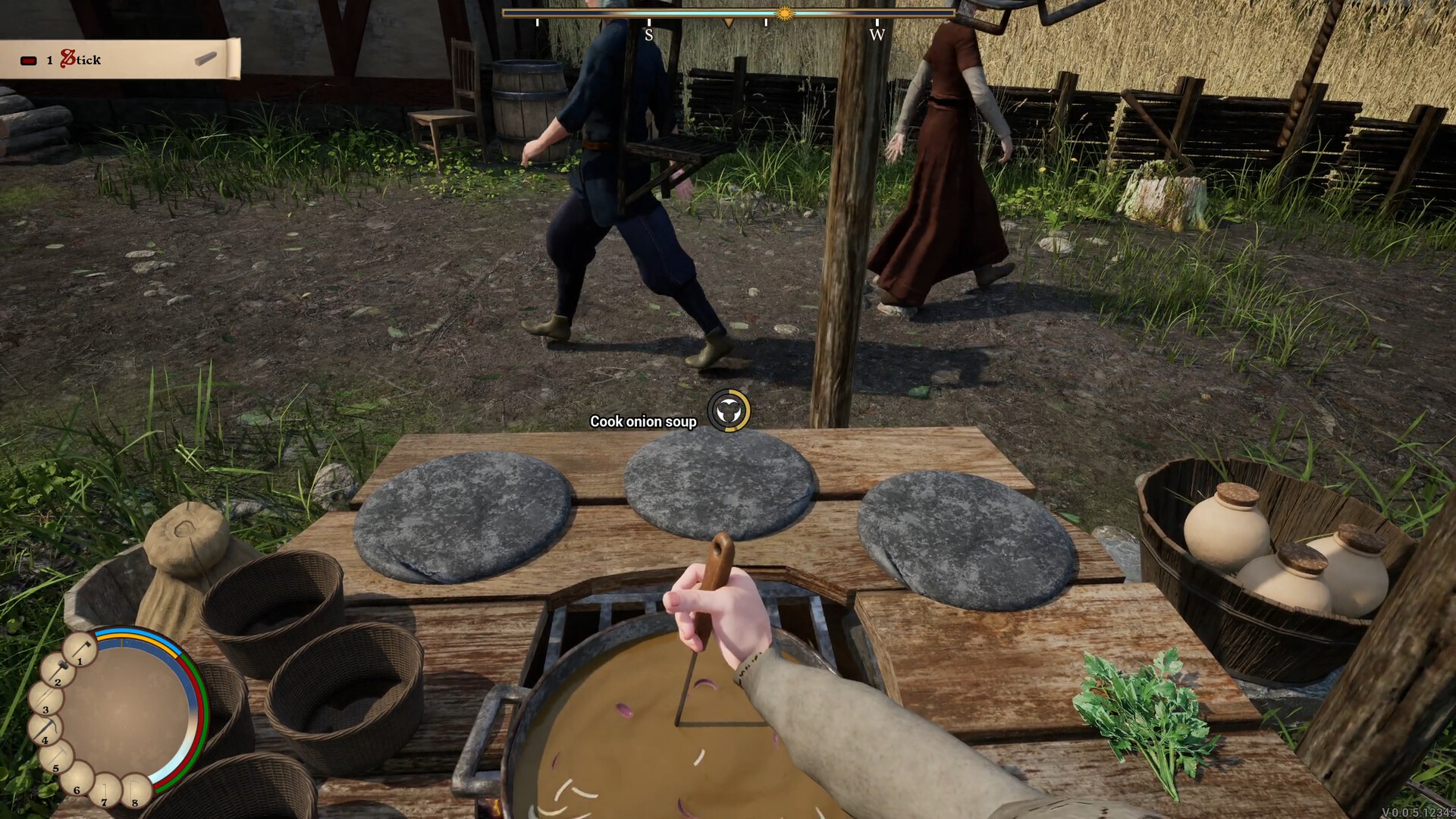
That tension between immediate need and long-term survival runs through every system. Cooking nutritious meals, stocking supplies before winter, expanding cautiously rather than greedily, the game asks you to weigh what you consume today against what you'll need tomorrow. The production chains connecting raw materials to finished goods give the settlement a mechanical heartbeat, and the first-person perspective keeps you grounded in the dirt and noise of it all rather than floating above as an omniscient cursor.
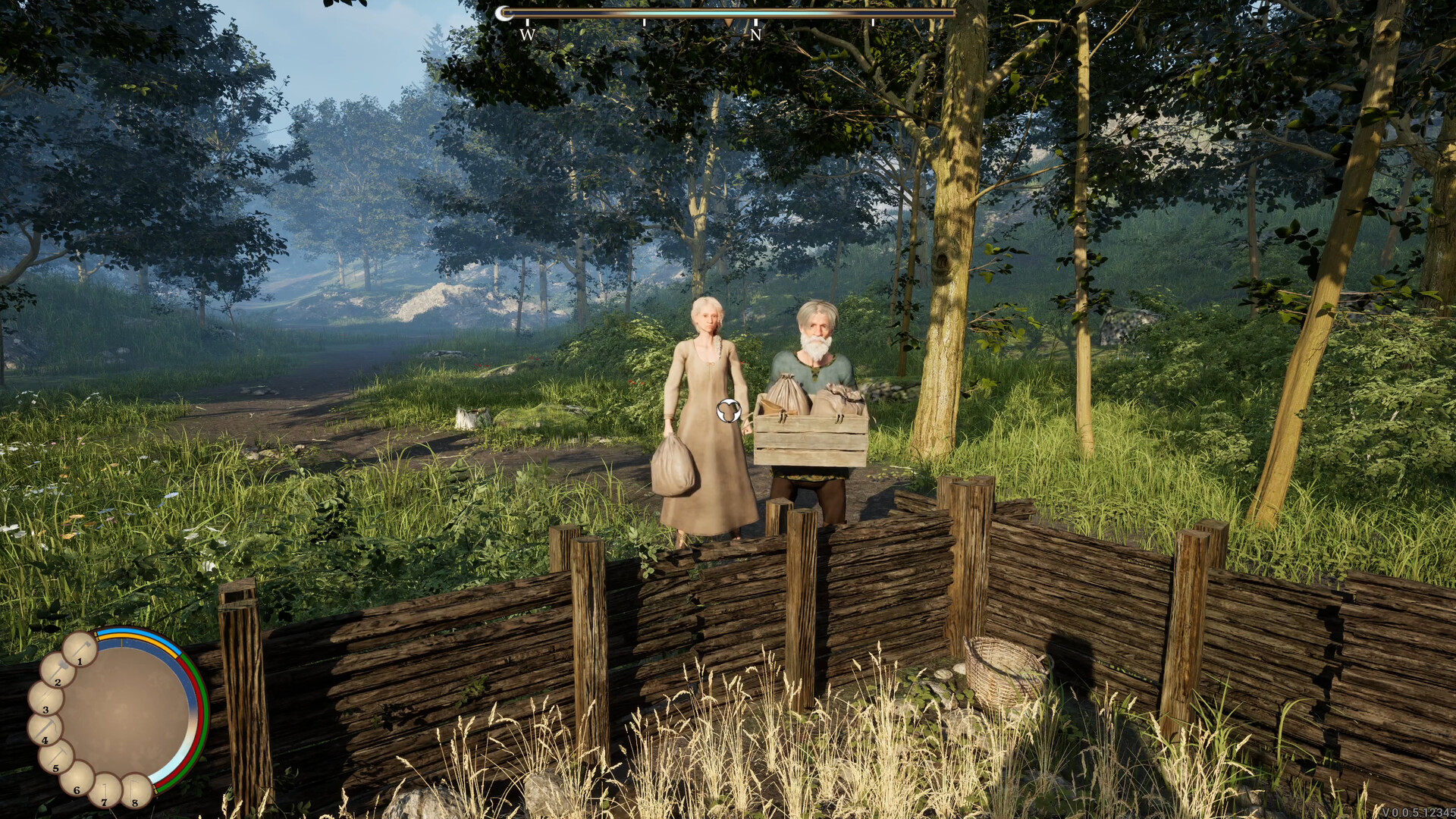
Medieval Frontiers sits in a space where management simulation meets survival, and the friction between those two modes is where the game finds its identity. You're not just optimizing spreadsheets from a bird's eye view. You're standing in the mud, watching a handcart roll downhill toward a storehouse that might not have enough room.