

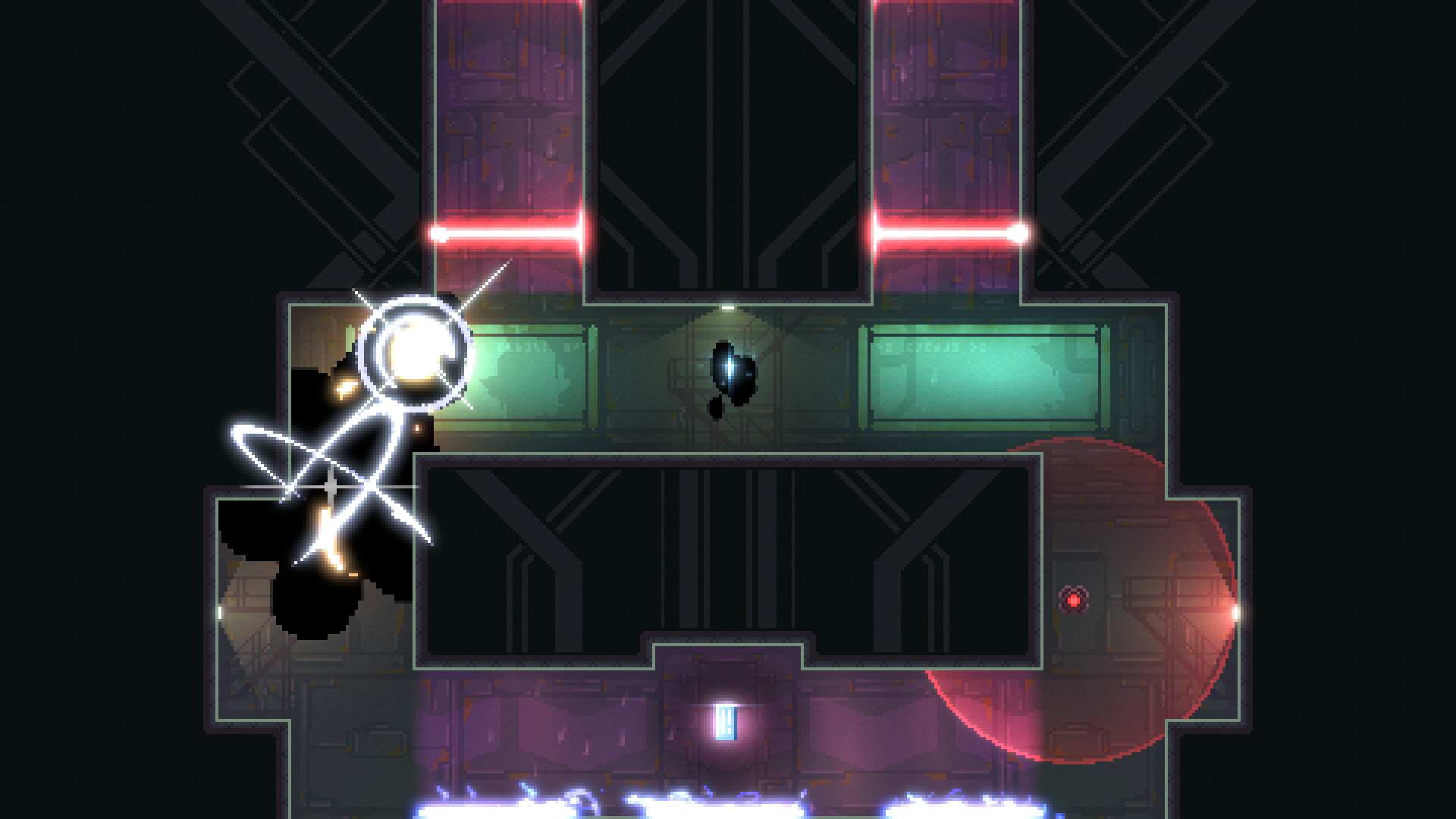
Nullstar: Solus, the precision platformer from Hobart-based developer Smash Attack Aus and publisher indie.io, launches on PC (via Steam), Nintendo Switch, PlayStation 5, and Xbox Series X|S on April 16, 2026, priced at $9.99.
The setup is corporate sci-fi with a bleak edge. In the distant future, mankind has discovered volatile sources of near-infinite energy known as Nullstars, mysterious anomalies capable of powering entire planets but equally capable of wiping them out if they go critical. Mega-corporations hire teams of archivists to track down traces of lost worlds and scavenge whatever remains of their Nullstar. You are a scav drone pilot, sent into the orbit of a crippled megastructure to retrieve the treasure buried within. The framing is lean and functional: you're not a hero, you're a contractor tearing through the corpse of a dead civilization for corporate overlords who want what's left.
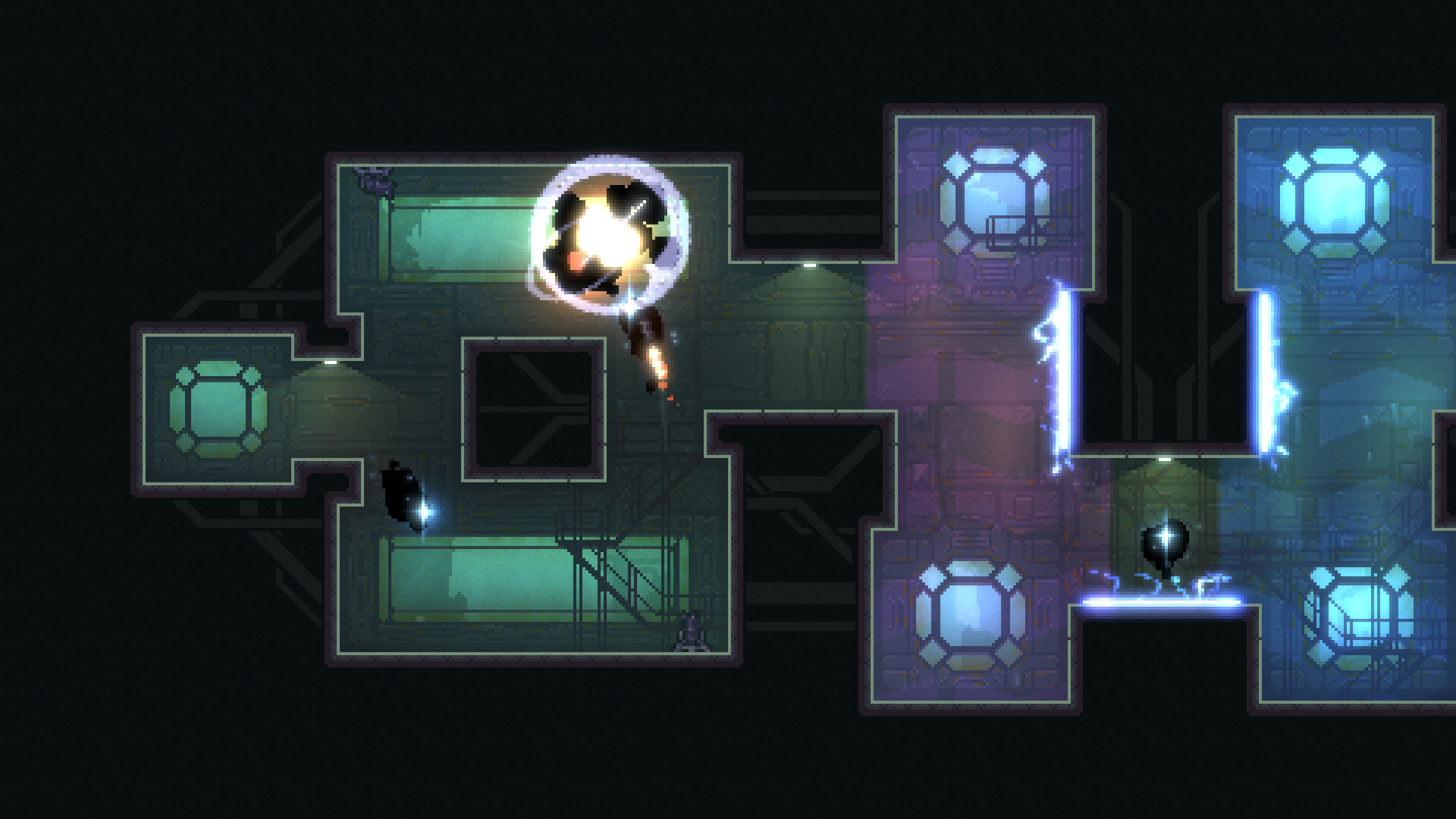
The megastructure itself is the game's real character. This is a labyrinth of steel and rust, a world in the process of being reclaimed by the nature it once replaced. Forgotten chambers sit overgrown with organic matter, corridors stretch into darkness, and ancient security protocols still hum with lethal intent. The hazards are both mechanical and organic, remnants of a civilization that built something enormous and then lost control of it. Smash Attack Aus has rendered all of this in detailed pixel art, and the environments carry genuine atmosphere across five distinct game worlds. The soundtrack leans into that mood with dark composition featuring Amelia Jones, known for her work on Hollow Knight, and Mariya Anastasova, who contributed to Baldur's Gate 3. The combination of decaying industrial architecture and creeping natural overgrowth gives the megastructure a sense of history that the gameplay constantly pushes you through at speed.
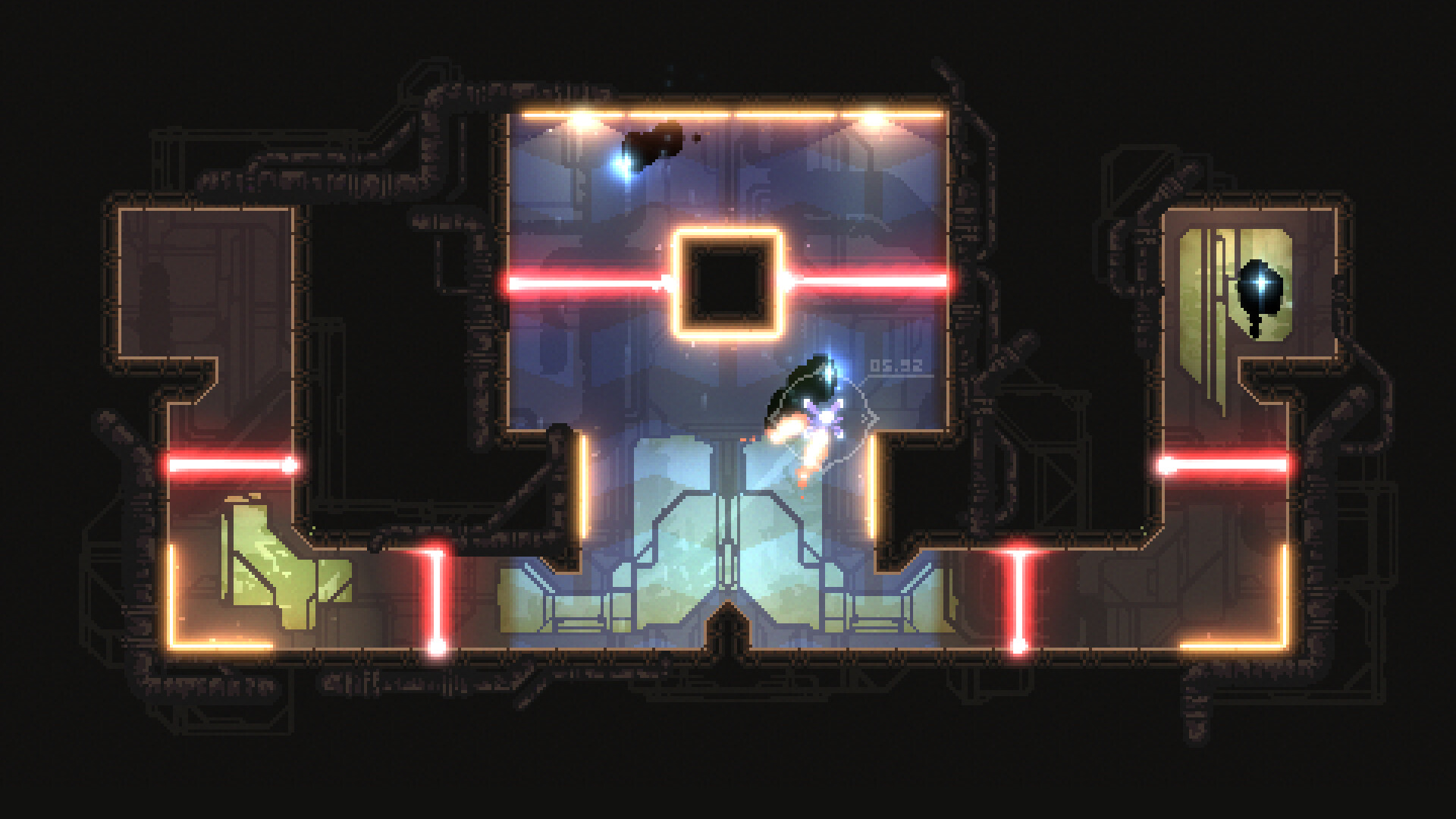
The core of Nullstar: Solus is flight. Your drone can navigate in any direction, but the real depth sits in the Flight Path System. Turning off thrusters selectively maximizes speed, while air-braking lets you drift around corners at what the game frames as impossible speeds. The controls are designed to be approachable but the skill ceiling is high, with faster times demanding genuine mastery of when to cut thrust and when to brake. Each of the 100 levels has been hand-crafted with unique features and multiple approaches, so the path you choose through a given chamber matters. Global leaderboards track your times, and the game leans hard into that competitive loop of setting records, challenging rivals, and breaking their records again. As your skill improves, you can decrypt intercepted flight logs that reveal more about the world and your fellow pilots, tying progression to both mechanical ability and narrative discovery.
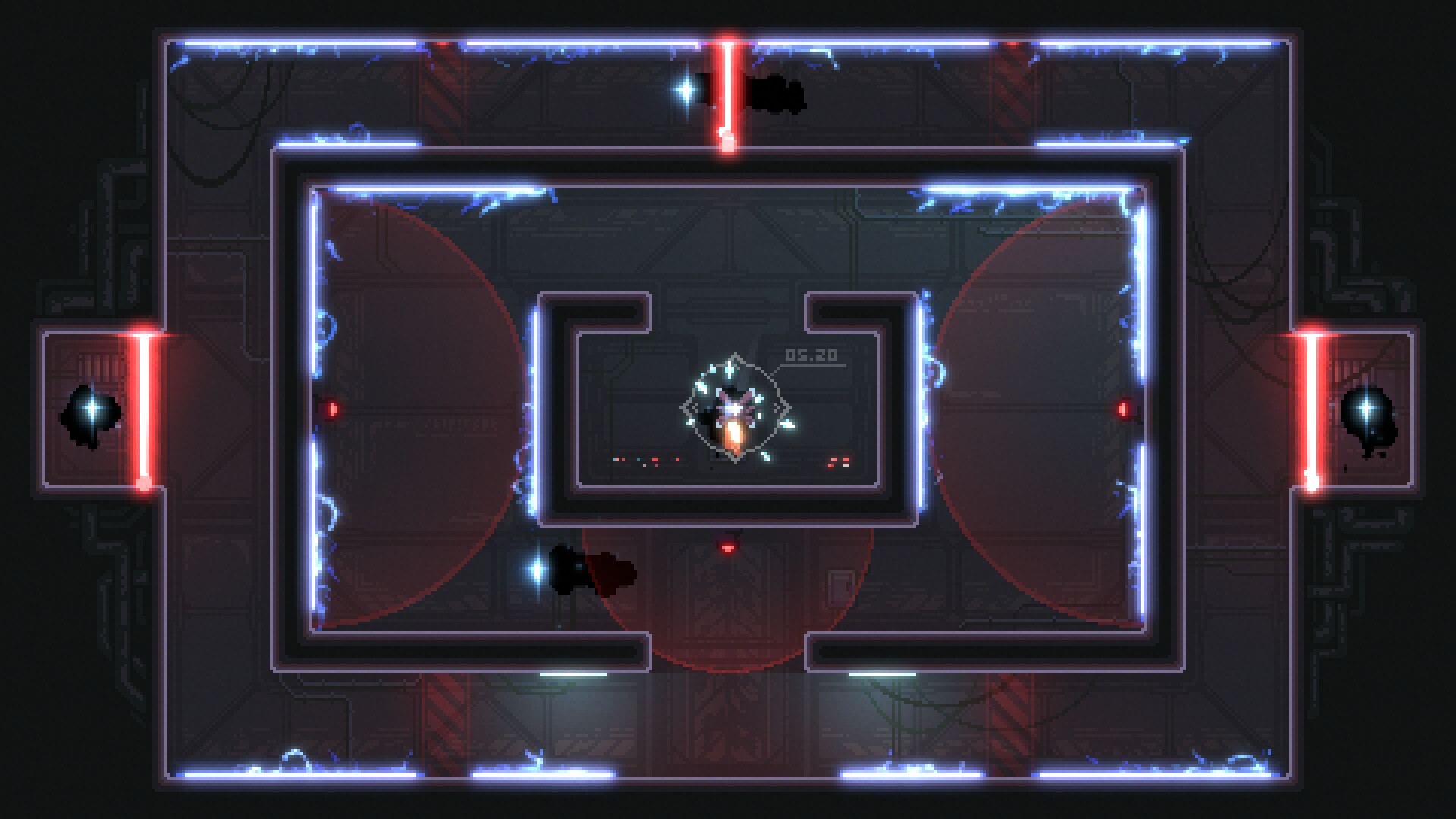
The tension between speed and survival is what holds the whole thing together. The megastructure doesn't want you there. Still-active security measures and perilous environments mean every run is reactive, demanding fast decisions through spaces that punish hesitation. The levels are bite-sized by design, built around that feeling of one more try, and a harder, darker world of levels exists for players who want to push further. There's a quiet commentary running underneath all of it too: you're a disposable drone pilot strip-mining the bones of a dead world so a corporation can profit from whatever energy remains. The game doesn't dwell on it, but the framing colors everything you do.
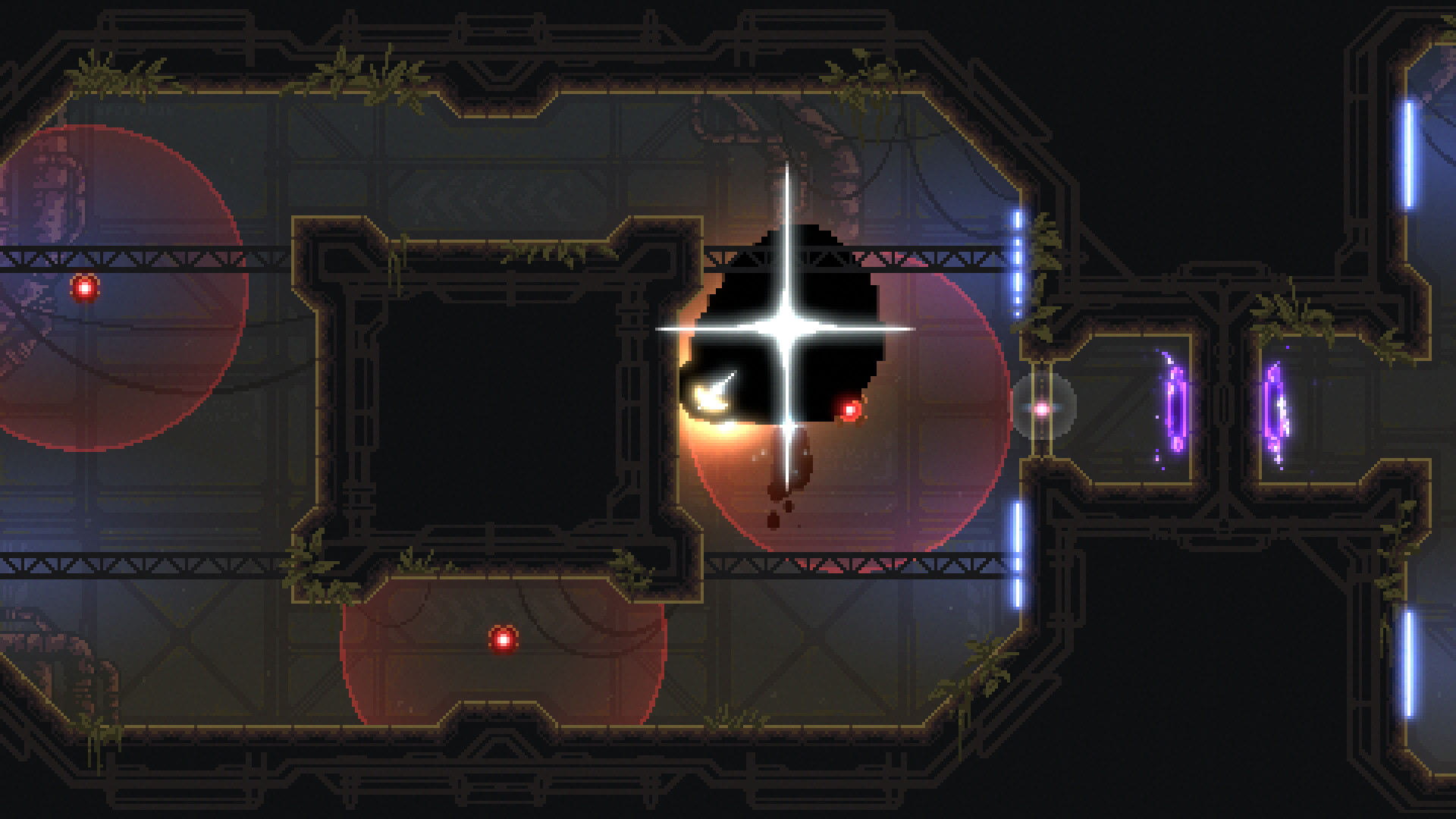
One hundred levels across five game worlds is a substantial offering at the price point, with the hand-crafted design ensuring each level has its own identity rather than blurring into repetition. Nullstar: Solus is a game about flying a drone through a dead world at reckless speed, and the megastructure you're tearing through feels like it was worth exploring even before you got there to pick it clean.