

Ore Factory Squad is a first-person co-op mining and factory simulation from Polish developer threeW, published by PlayWay SA. It's a game about starting with almost nothing, a small warehouse and a shovel, and building outward and downward until you're running a full industrial operation.
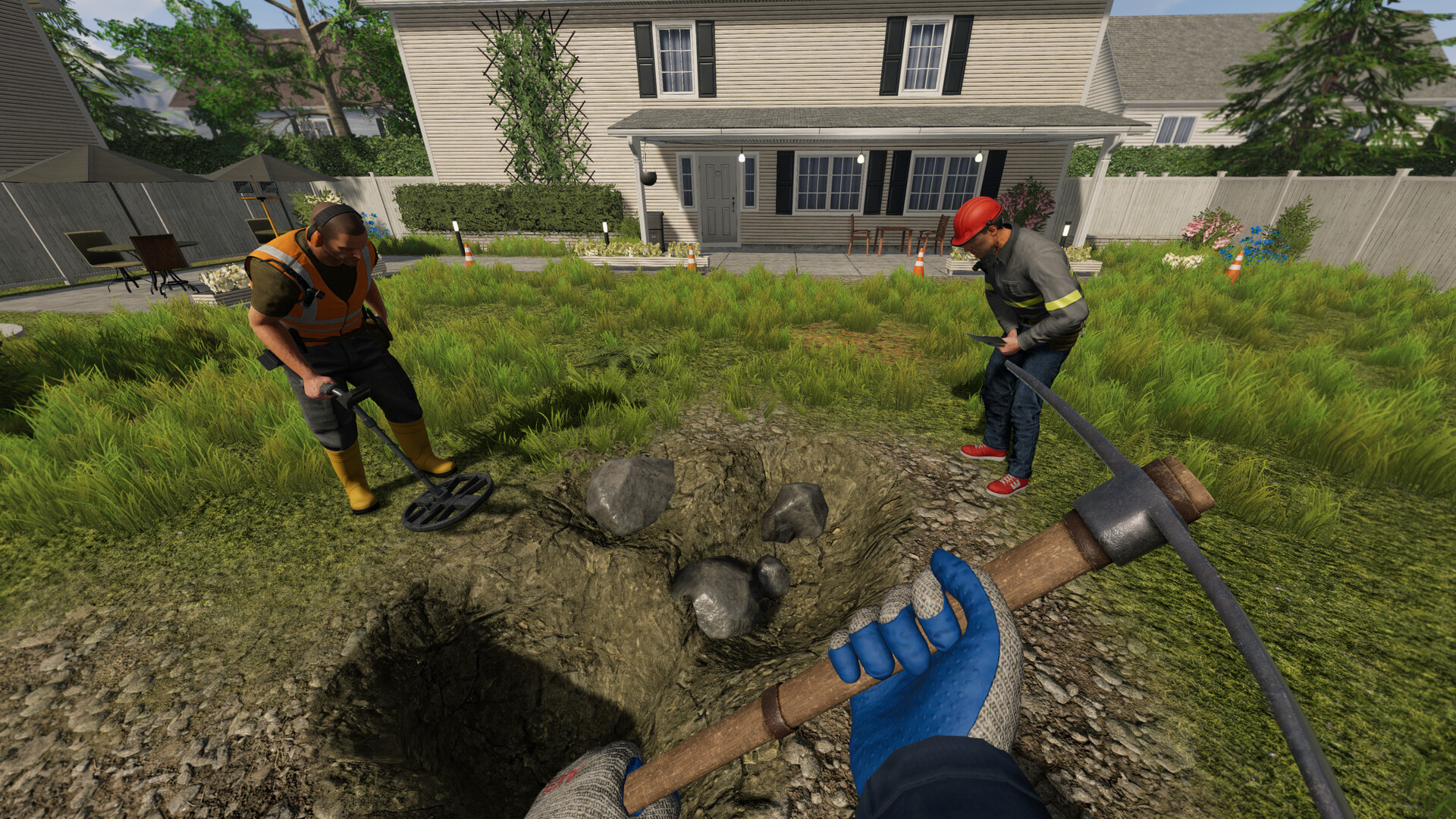
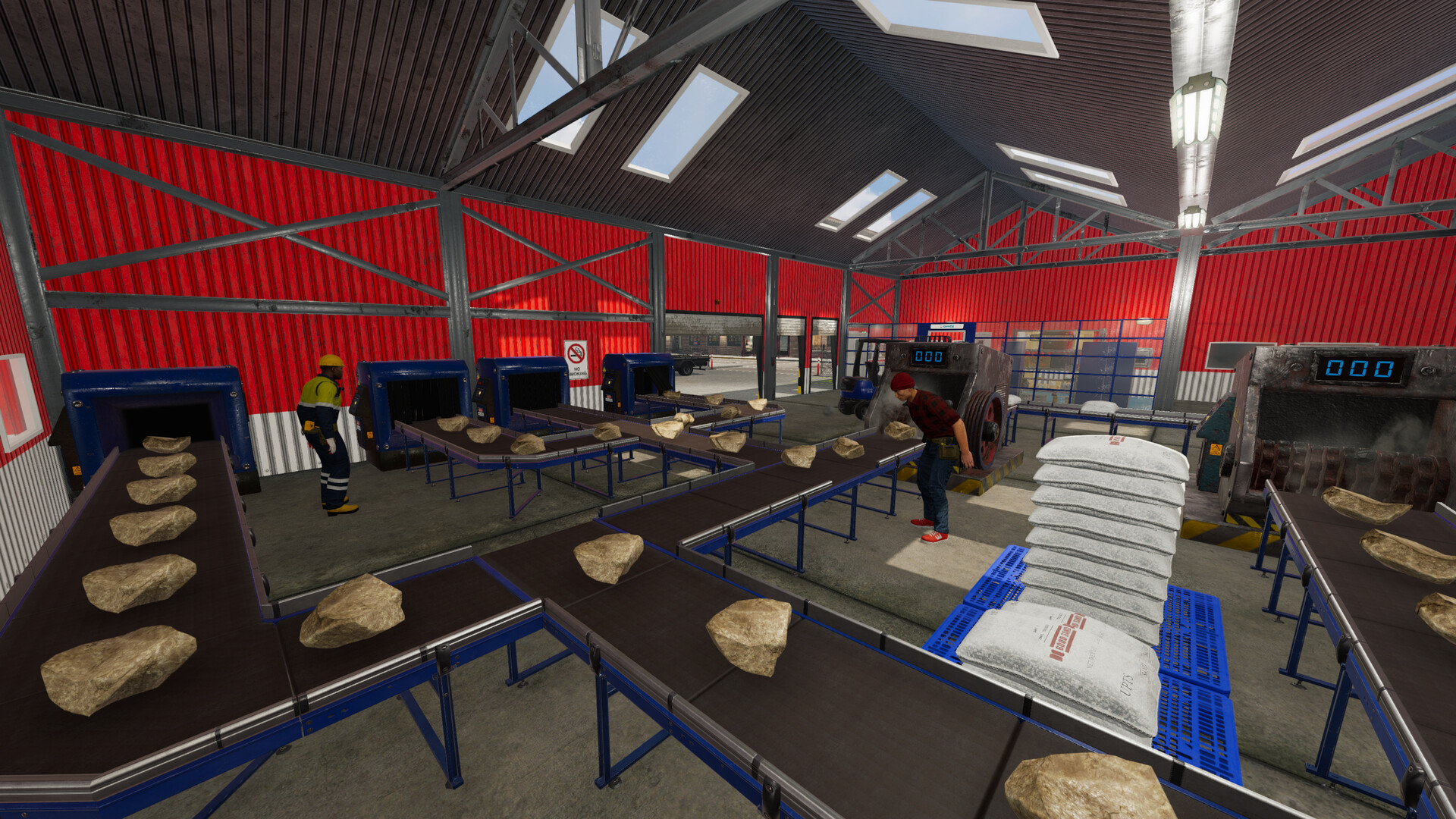
The progression here is the spine of the whole thing. You begin by hand-digging with basic tools, scraping resources out of the ground one swing at a time. As profits come in you unlock pickaxes for tougher layers, jackhammers to speed things up, and eventually dynamite to clear large sections at once. That same upward curve runs through the factory side too. Early on you're working with simple machines and basic resources, but as you earn licenses and unlock new recipes your warehouse starts to change shape. Conveyor belts connect machines into production chains, forklifts and warehouse robots handle logistics, and what started as a bare room with a couple of processing stations gradually becomes something that actually resembles an industrial system. Upgrades touch nearly everything: tools, equipment, player abilities, factory capacity, market reach, negotiation rates. You can even hire workers and manage them as the operation scales.
threeW previously developed Zombie Graveyard Simulator, another title published through PlayWay SA's simulation catalogue. PlayWay has built a reputation as one of Poland's more prolific publishers in the simulation space, partnering with smaller studios to push out a steady stream of niche sim games. Ore Factory Squad fits that mould cleanly, taking the factory builder template and grounding it in hands-on mining rather than top-down management.
The setup is straightforward. You purchase properties, each with procedurally generated underground resources and no fixed mining paths, then dig freely to extract ore and raw materials. Those materials feed into your factory where they're processed into goods, and those goods get sold or delivered against contracts from companies requesting specific products and quantities. You negotiate deals, prepare deliveries, load trucks, and manage your stock to balance growth with cash flow. Properties range from small backyards to tight downtown construction sites, forest areas, and large mining fields on open plateaus, each with randomized resource distribution and different profit potential. The deeper you dig, the more valuable the resources become.
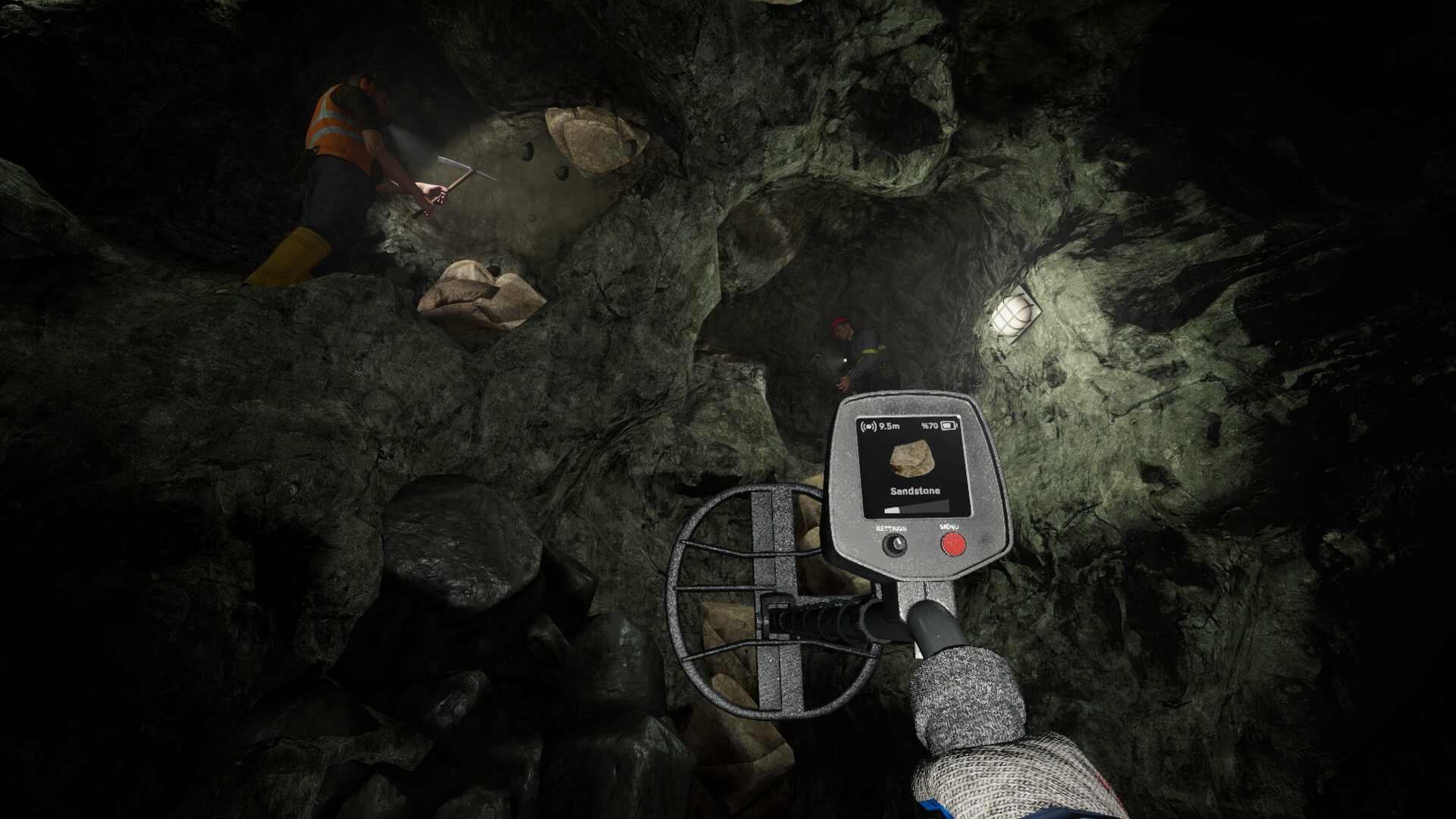
There's a satisfying rhythm to the loop once it gets moving. Mining feeds production, production feeds contracts, contracts fund expansion, and expansion opens up new properties and better equipment that make the next cycle faster and more profitable. The terrain is fully destructible, so you're shaping your own tunnels as you go rather than following predetermined routes. Playing solo lets you set your own pace through all of it, while co-op for up to four players lets you split the work and optimize production together with no penalties for choosing either path.
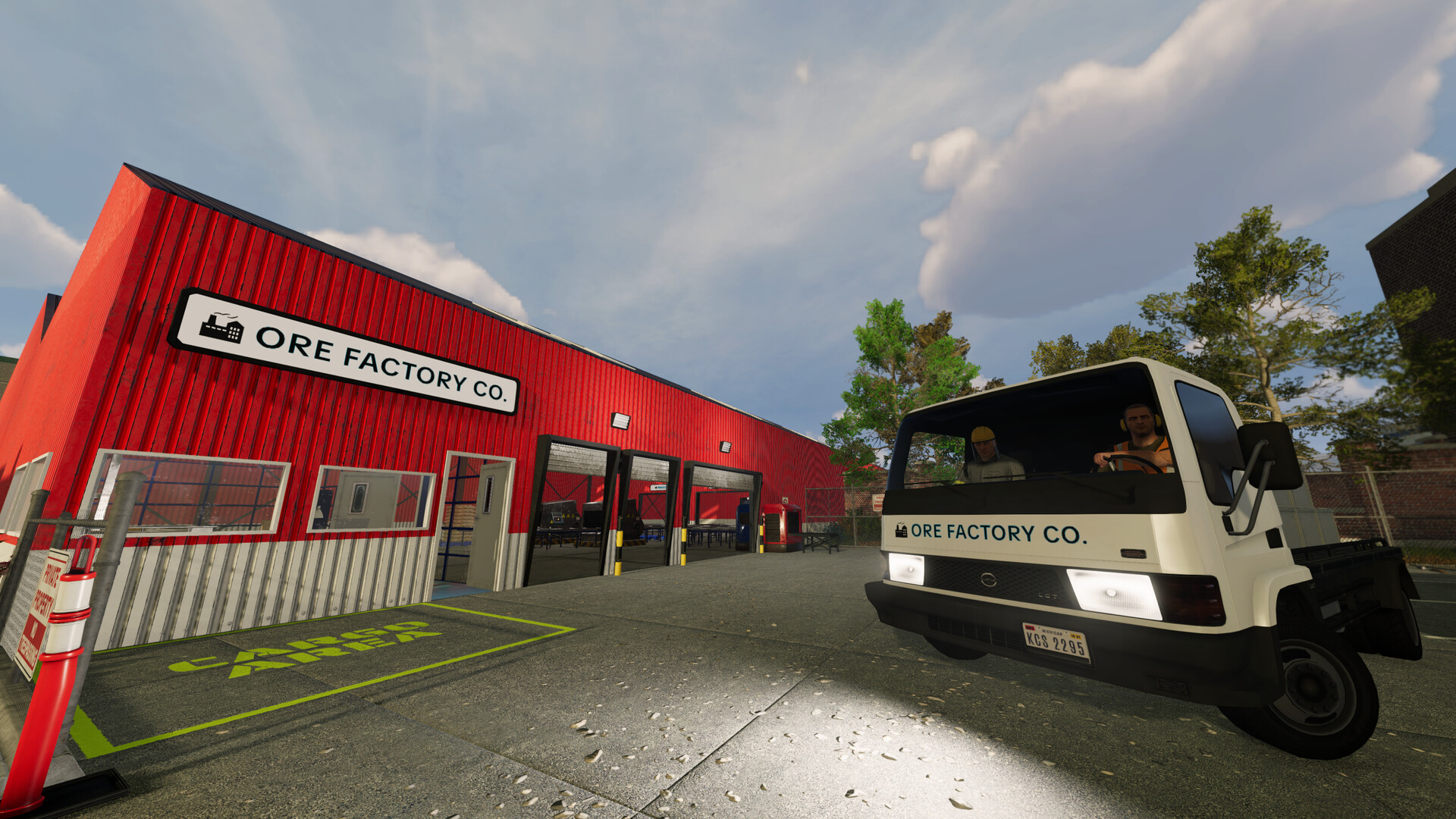
The game leans into steady accumulation rather than drama or tension. Each property is a fresh puzzle of resource distribution and profit potential, and the satisfaction comes from watching a simple setup transform into something complex and efficient. Character customization lets you swap outfits, faces, gloves, and helmets, while warehouse personalization covers walls, floors, signs, and decorations. It's a game built around the pleasure of making a system work better than it did five minutes ago, one conveyor belt and one upgraded machine at a time.