

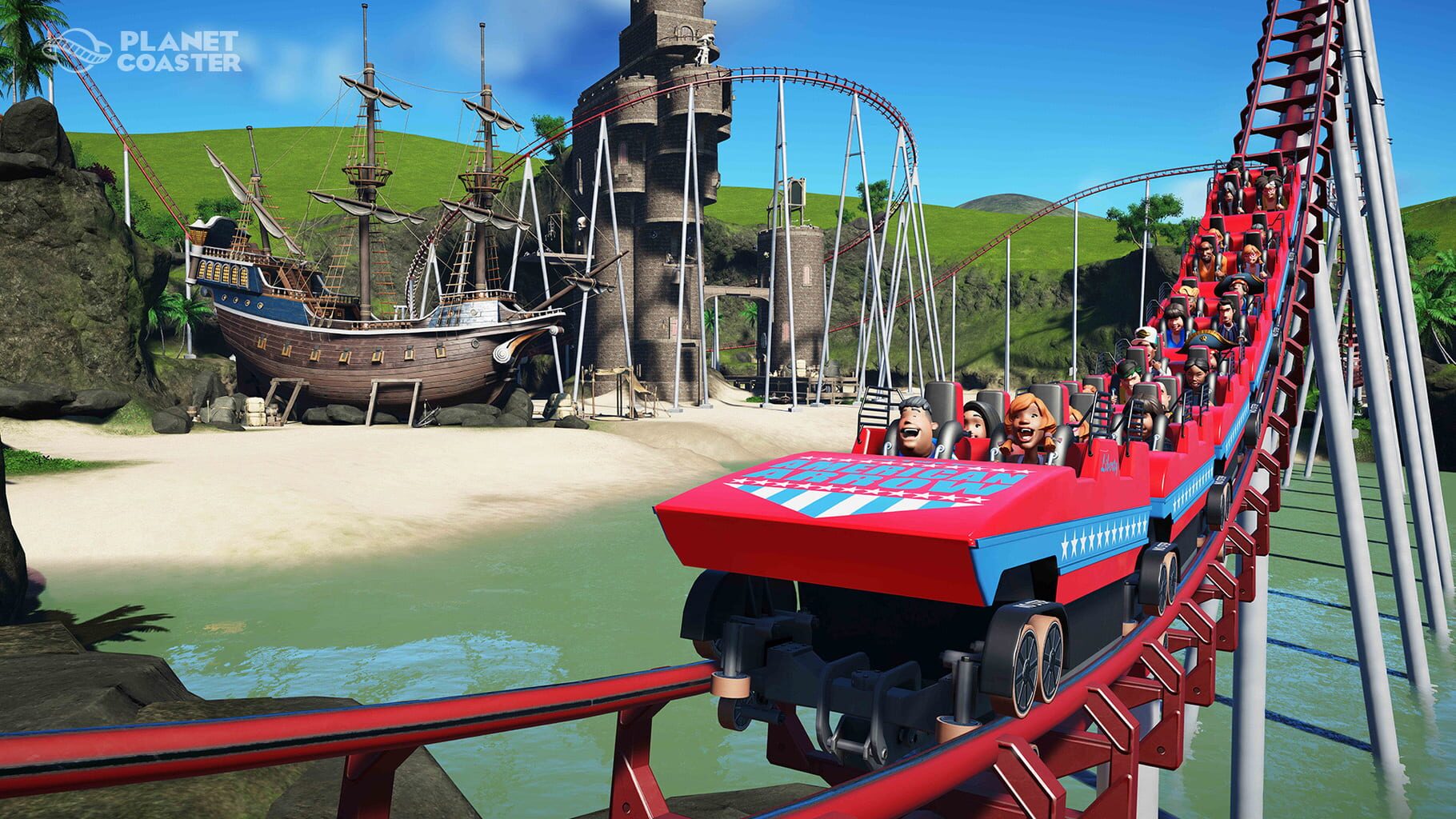
Planet Coaster is available for free on Digiphile from 4 March 2026 through 18 March 2026, or while supplies last. Players need a Digiphile account connected to a verified Steam account to claim the base game, normally priced at $44.99. An optional upgrade bundling all DLC is available for $13, representing an 84% discount. Existing owners who pick up the bundle can trade their extra base game key for Digiphile Exchange credit toward another title.
Developed by Frontier Developments, Planet Coaster is a theme park construction and management sim built around one central promise: everything in your park is yours to shape. The construction system works piece by piece, with over a thousand unique building components that let you customize rides, scenery and paths down to granular detail. You're not snapping together prefabricated attractions from a menu. You're placing individual pieces, adjusting angles, layering decorations, turning a generic food stall into something that fits the exact corner of the exact themed area you've been fussing over for the last hour. That level of control extends to the coasters themselves, where you lay track freehand, threading rides through scenery, over pathways and underground. The tools are designed to make designers out of everyone, giving creative players the room to obsess while keeping things accessible enough that you can still throw together a functioning park without an engineering degree.
Click to load trailer from YouTube
By clicking, you agree to YouTube's privacy policy. Data will be shared with Google.
The land itself is part of the toolkit. Terrain sculpting lets you raise mountains, carve out lakes, dig caverns and build floating islands, reshaping the ground beneath your park to suit whatever vision you're chasing. A coaster doesn't have to sit flat on a plain. It can dive into a tunnel you carved through a hillside, emerge over a lake you formed in a valley, then climb past a mountain you raised just to frame the drop. The landscape becomes architecture, giving parks a sense of geography that flat construction never achieves. Every park ends up with its own topography, its own flow of elevation and space that makes it feel like a place rather than a collection of rides arranged on a grid.
Running the park is where the simulation side takes over. Every guest walking through your gates is an individual with their own interests, desires and reactions. They think, they feel, they explore based on what appeals to them, and collectively they tell you at a glance how well things are going. Crowds gathering around one ride while another sits empty is feedback. Guests looking unhappy near your food court is feedback. The simulation rewards attention to these signals, letting you control every aspect of the visitor experience and watch the park respond to your adjustments in real time. Management stays accessible rather than punishing, with controls that keep the business side engaging without burying the creative side under spreadsheets. A campaign of creative scenarios tests your skills with specific challenges, while a freeform mode lets you build without constraints and tweak at your own pace.
The connection between building and managing is where Planet Coaster finds its rhythm. You design a ride, place it in your park, watch guests react, notice what's working, adjust, expand, redesign. The creative tools feed the simulation and the simulation feeds your next creative decision. A beautifully themed area that nobody visits because the path layout funnels guests elsewhere sends you back to the drawing board, not to tear down what you built but to rethink how it connects to everything around it. That loop of building, observing and refining keeps parks evolving long after the initial construction rush fades.
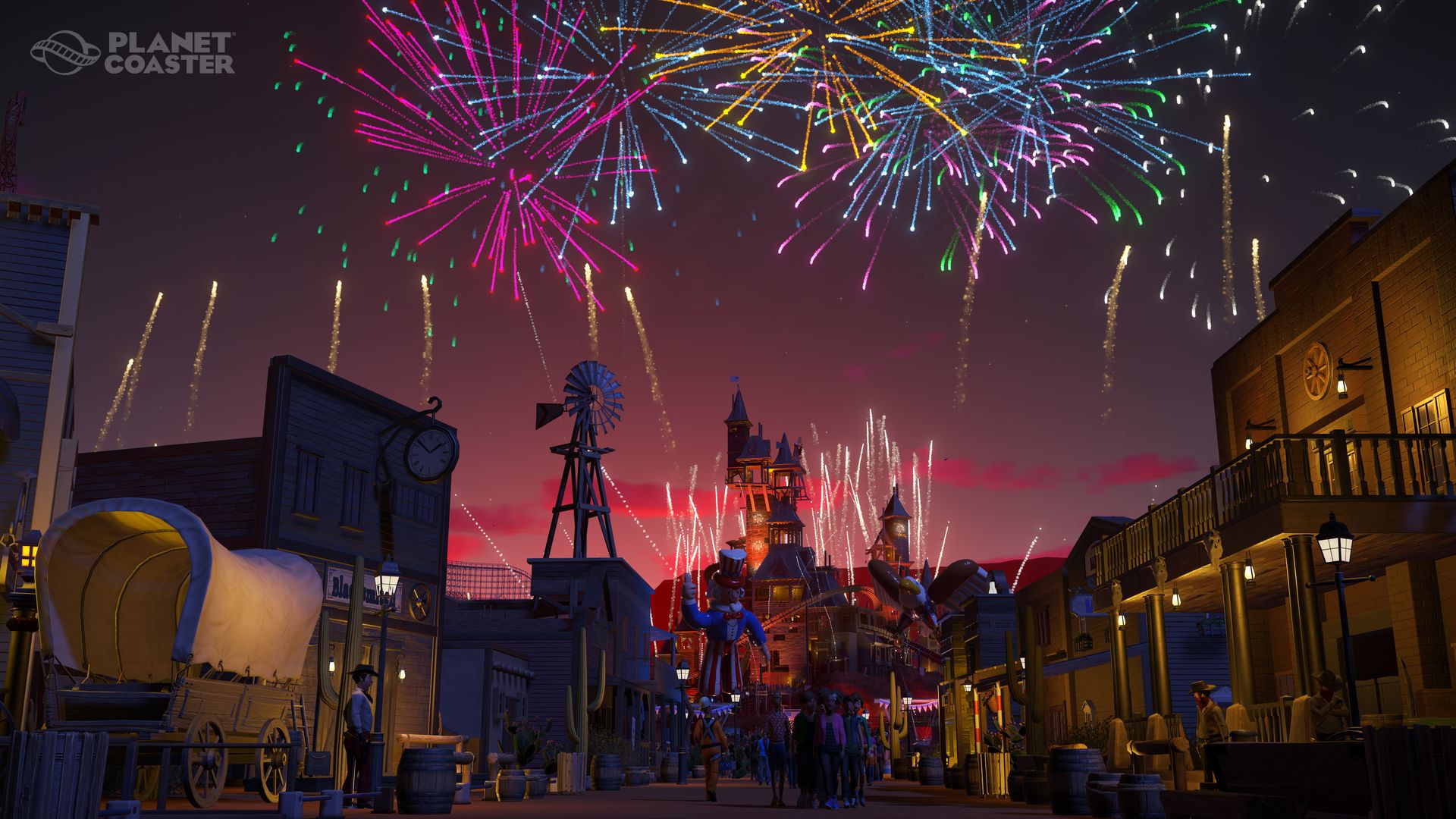
Steam Workshop integration ties the whole thing to a community of creators. You can browse and download scenery, coasters and entire parks built by other players, pulling in designs selected by the dev team or discovered through the community hub. Anything you build, whether it's a single themed building or a complete roller coaster, can be named and shared for other players to drop into their own parks. The result is a library of community content that keeps expanding, giving you fresh inspiration or ready-made pieces to incorporate into your own designs.
Planet Coaster puts the full weight of its design behind player expression. The simulation is deep enough to reward careful management, but the construction tools are the real draw, offering a level of creative freedom that turns every park into something personal. Your parks look like yours because you placed every piece, sculpted every hill and decided exactly where that coaster would crest before its biggest drop.