

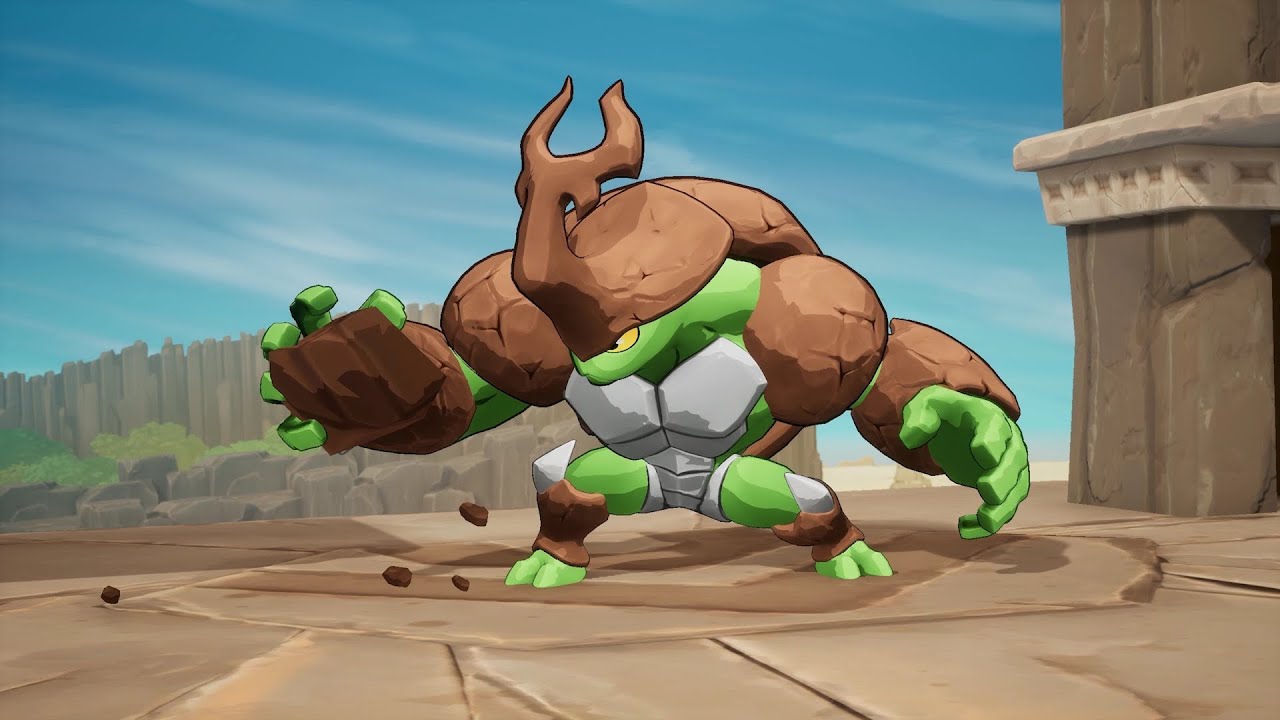
Rivals of Aether II is a platform fighter built on elemental warfare. The Aether Universe is a world where civilizations summon the power of Fire, Water, Air, and Earth, and the Rivals who harness those elements use them to beat each other senseless. Developed by Aether Studios and published alongside offbrand games, this sequel to the indie fighting game Rivals of Aether upgrades the formula with 3D visuals, new mechanics, and improved online support.
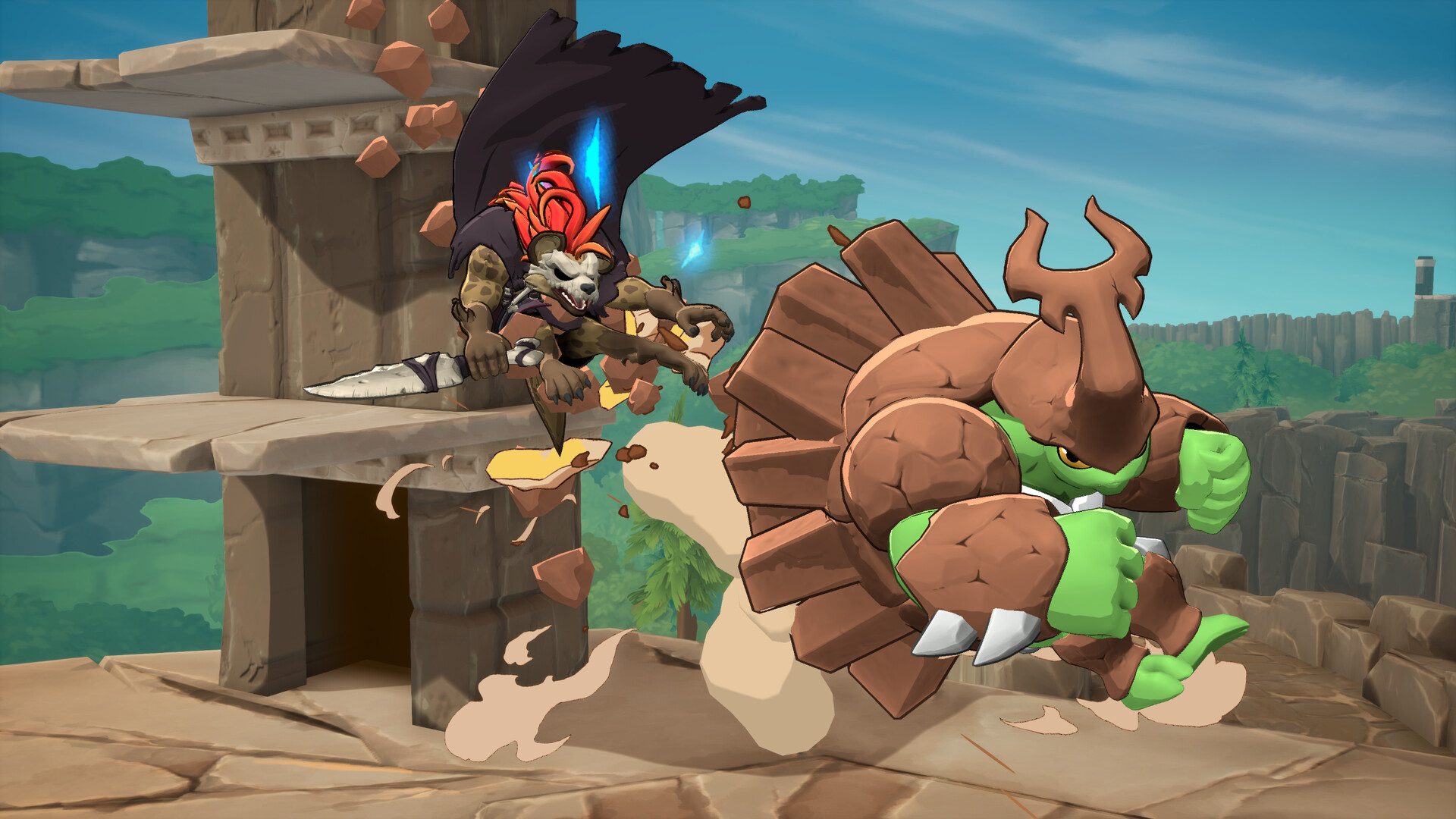
Combat layers genre staples with ideas the series calls its own. Shields, ledges, grabs and throws form the expected foundation, but Pummel Specials, Ledge Specials, and Getup Specials push into less familiar territory, giving players unique combat options at moments where most platform fighters offer limited choices. Each character carries an expansive moveset with special moves designed to feel distinct from one another, and the game supports 1v1, 2v2, and free-for-all battles against CPUs, local opponents, or online players through rollback netcode. The newest addition to the roster is Slade, a swashbuckling swordsman whose moveset revolves around collecting coins mid-fight and spending them to purchase items, a mechanic the developers describe as easy to learn and hard to master. The Fun-For-All Update, launching April 7th, also introduces Item Mode, which scatters 20 unique items across matches for players to grab and hurl at each other, alongside 10 Casual Stages: massive new variants of existing stages packed with hazards and surprises. These additions lean hard into the chaotic end of the spectrum, giving groups who want messy, unpredictable brawls a dedicated space to find them.
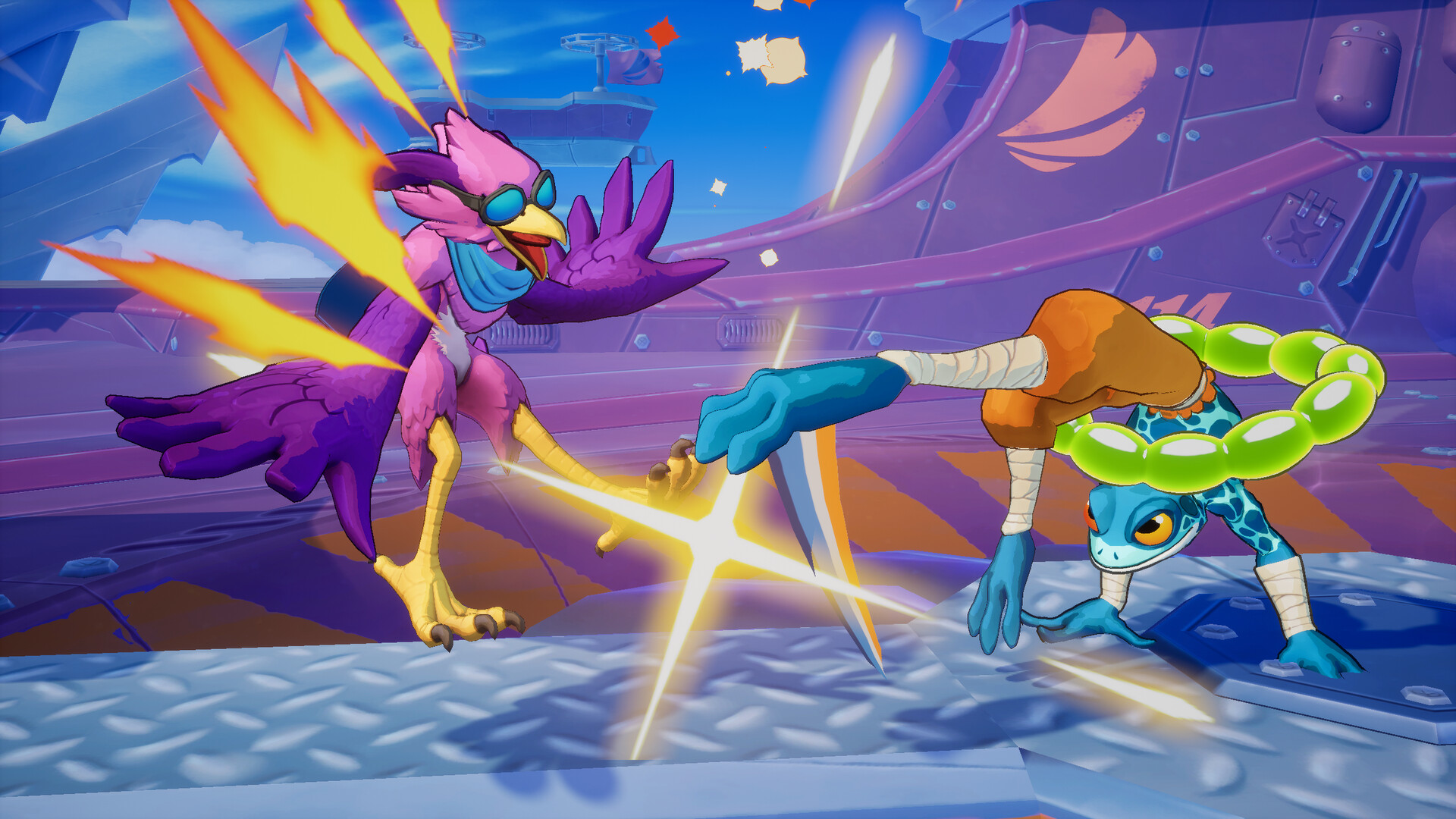
Multiplayer is the spine of the whole thing. Local play, online matches, and the option to scale from focused duels to four-player chaos mean the game flexes around how many people are in the room or the lobby. Steam Workshop support, currently in open beta, lets players use the developer's tools to create and add their own characters, opening the roster to whatever the community can build. Since launching in October 2024, Aether Studios has added five free characters, run 17 thematic monthly events with unlocks and reward tracks, and released dozens of cosmetics including costumes, colour palettes, icons, and stage skins.
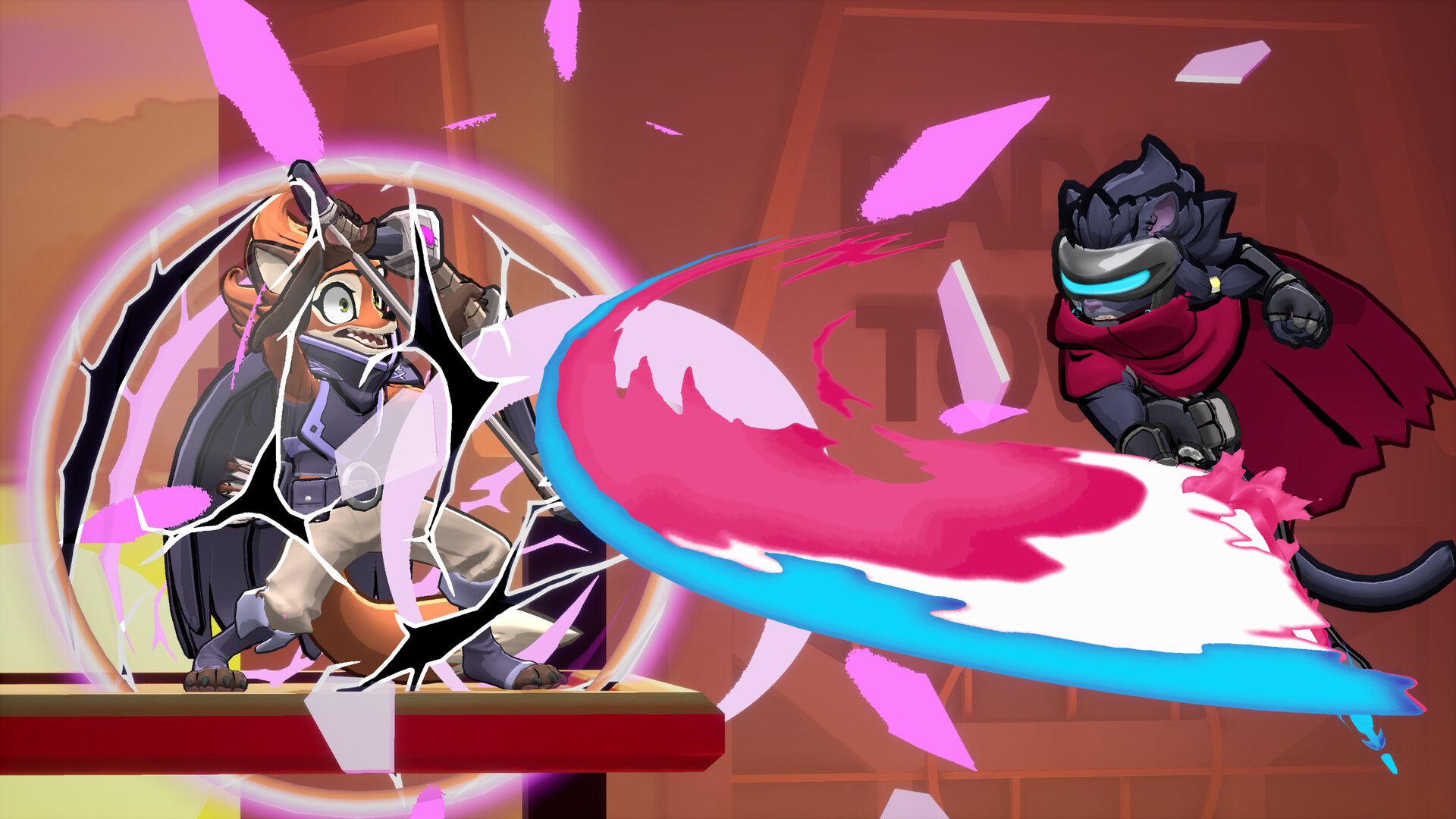
The roster itself is where the game's personality lives. All future characters are free, added on top of a launch lineup of 10 Rivals, each customisable with an expanding library of cosmetics. The elemental framework gives the cast a shared visual language while letting individual fighters diverge wildly in how they play. Slade's coin economy plays nothing like a straightforward brawler kit, and that kind of mechanical variety across the roster is what the series has always traded on. The Aether Universe ties it together with lore delivered through event updates and new content drops, framing the ongoing additions as part of a living world rather than a disconnected content schedule.
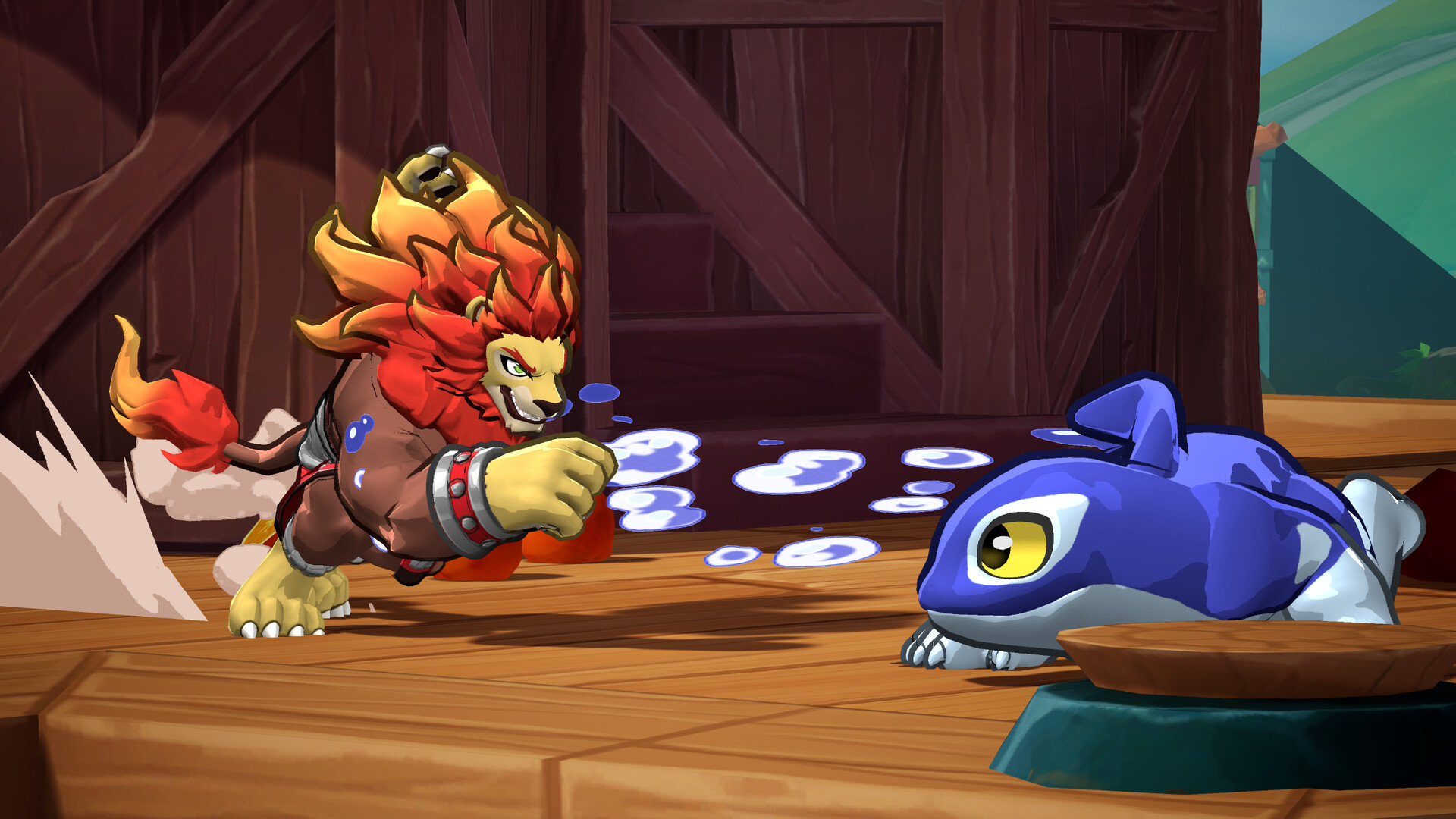
That world is defined by its elemental factions and the conflicts between them. Fire, Water, Air, and Earth aren't just aesthetic flavour; they're the source of each Rival's power and the reason these civilizations are at war. The game doesn't front-load narrative in the way a story-driven fighter might, but the setting gives every match a sense of context, a reason these characters are throwing each other off platforms beyond the simple fact that it's fun to do.
Rivals of Aether II positions itself as accessible without being shallow. Customisable controls and interactive tutorials help onboard newcomers, while the depth of each character's moveset and the genre-pushing special mechanics give competitive players systems to dig into. The pacing swings between the tight, read-heavy exchanges of 1v1 and the barely controlled mayhem of free-for-all with items on, and the Fun-For-All Update makes that range more explicit than ever. A deep-dive developer stream is planned for April 1st to walk through the update in detail. Whether a match ends in a precise offstage edgeguard or someone getting clocked by a thrown item on a hazard-filled Casual Stage, the game wants both of those moments to feel like they belong.