

Sente is a strategic board game built on a single disruptive idea: every player moves at the same time. Developed by Argentinian studio Oxobox Game Studios and published by Curveball Games, the game supports up to six players on a grid where placing nodes, spreading energy networks, and anticipating what everyone else is about to do all happen simultaneously. A public demo launched March 31, 2026 on PC via Steam, offering tutorials, AI opponents, and 23 hand-crafted puzzle challenges.
The simultaneous turn structure changes what strategy means here. There is no initiative advantage, no acting first. Every round, all players commit to their moves blind, then watch them resolve together. That creates a game less about reacting to what just happened and more about predicting what's about to. Players place nodes and extend energy connections across the board, trying to reach their opponent's core and trigger a critical overload. But because everyone is moving at once, a carefully laid plan can collapse the moment it meets someone else's. Chain reactions ripple across the grid as connections spark, systems break, and small decisions cascade into dramatic shifts in board control. The interplay between building your own network and disrupting your opponent's gives every round a double edge, where expansion always carries the risk of exposure. Misleading an opponent with a setup that looks defensive before triggering a surprise chain reaction is part of the game's tactical language, one that rewards foresight over speed.
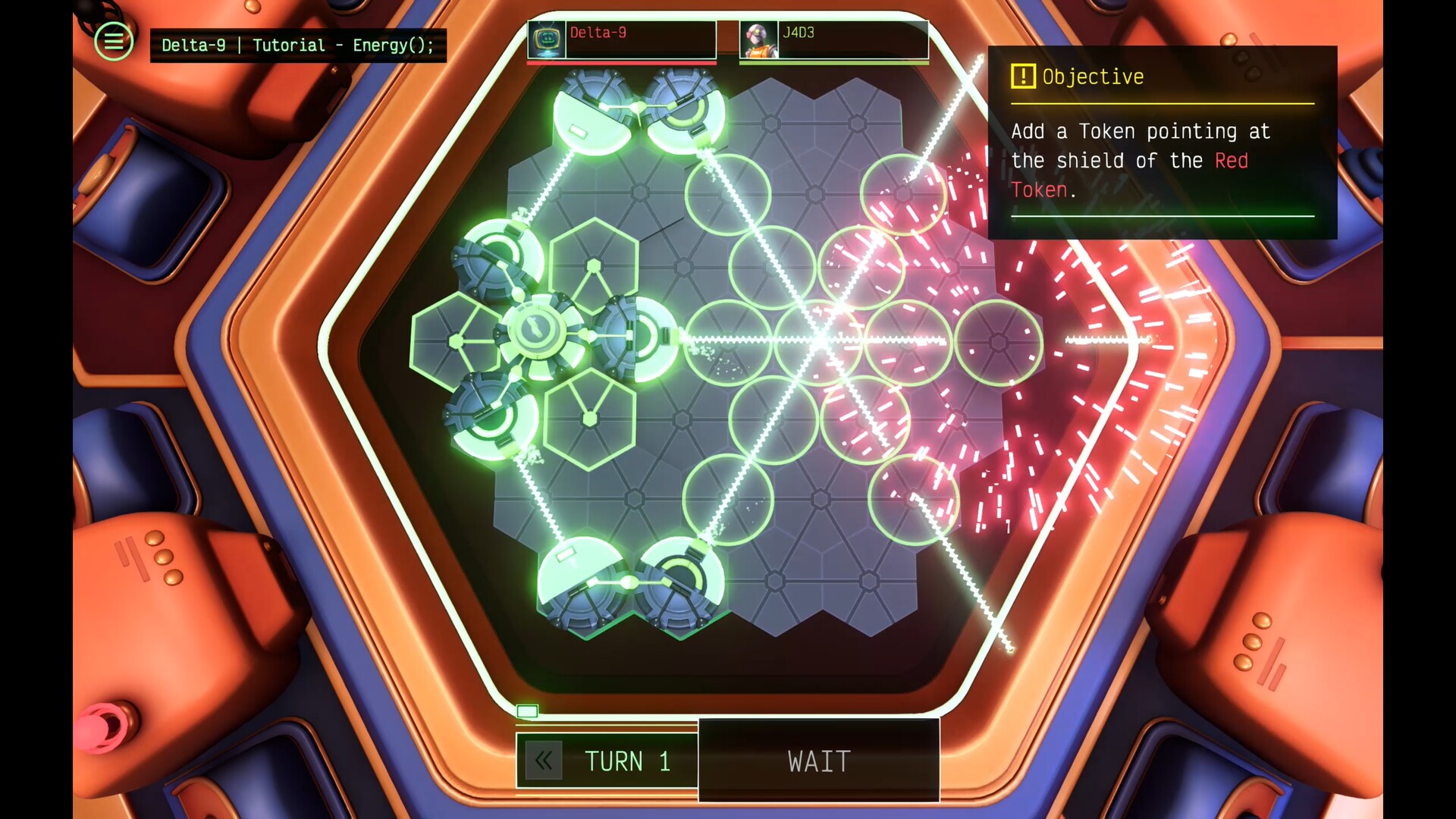
The grid itself is not static. Dynamic board layouts mean no two matches play out the same way, and an in-game board editor lets players design custom arenas with their own strategic geometry. A match replay system allows players to walk back through every turning point, analysing where a read was right and where a commitment went wrong. For a game rooted in prediction, that kind of post-match clarity matters. It turns losses into lessons and wins into something you can actually understand rather than just feel.
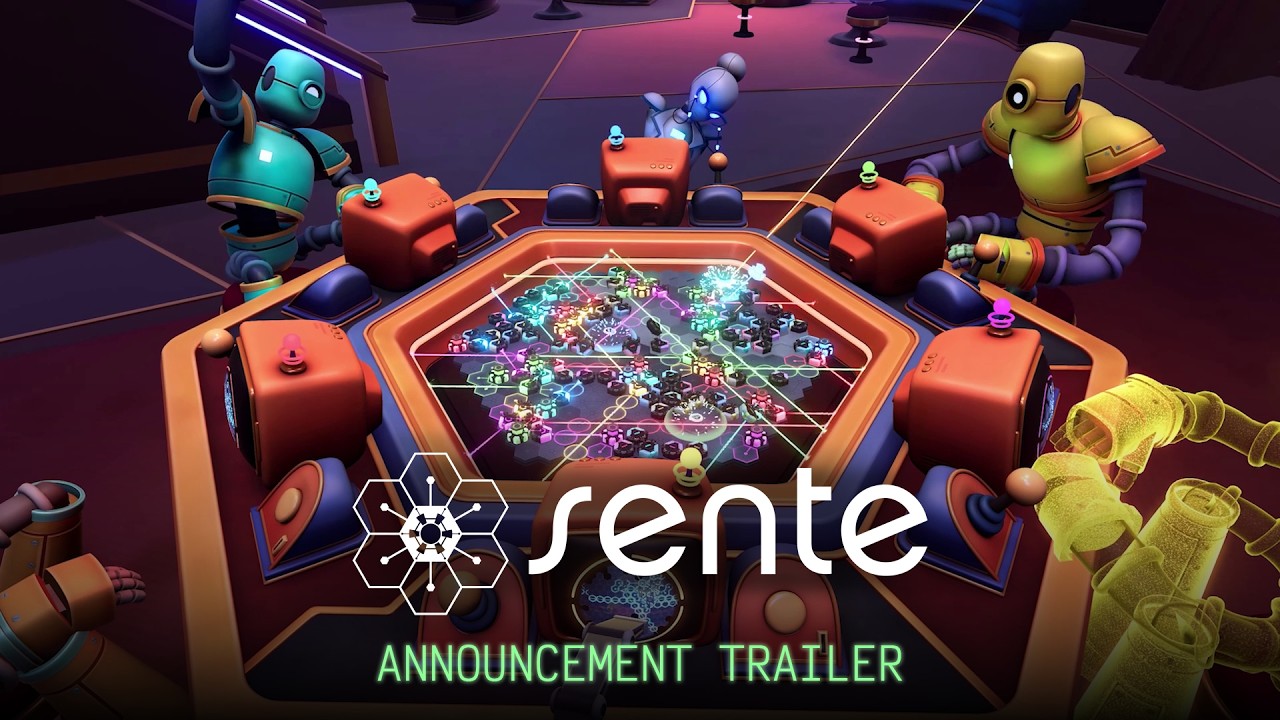
Click to load trailer from YouTube
By clicking, you agree to YouTube's privacy policy. Data will be shared with Google.
Sente supports one to six players across solo, local, and online multiplayer. Solo play includes AI opponents at multiple difficulty levels and a narrative campaign, while competitive modes range from one-on-one arenas to free-for-all and team-based matches. Adding more players to the simultaneous structure doesn't just scale the chaos, it fundamentally changes the strategic calculus. Reading one opponent is hard enough. Reading five, all moving at once, is a different game entirely.
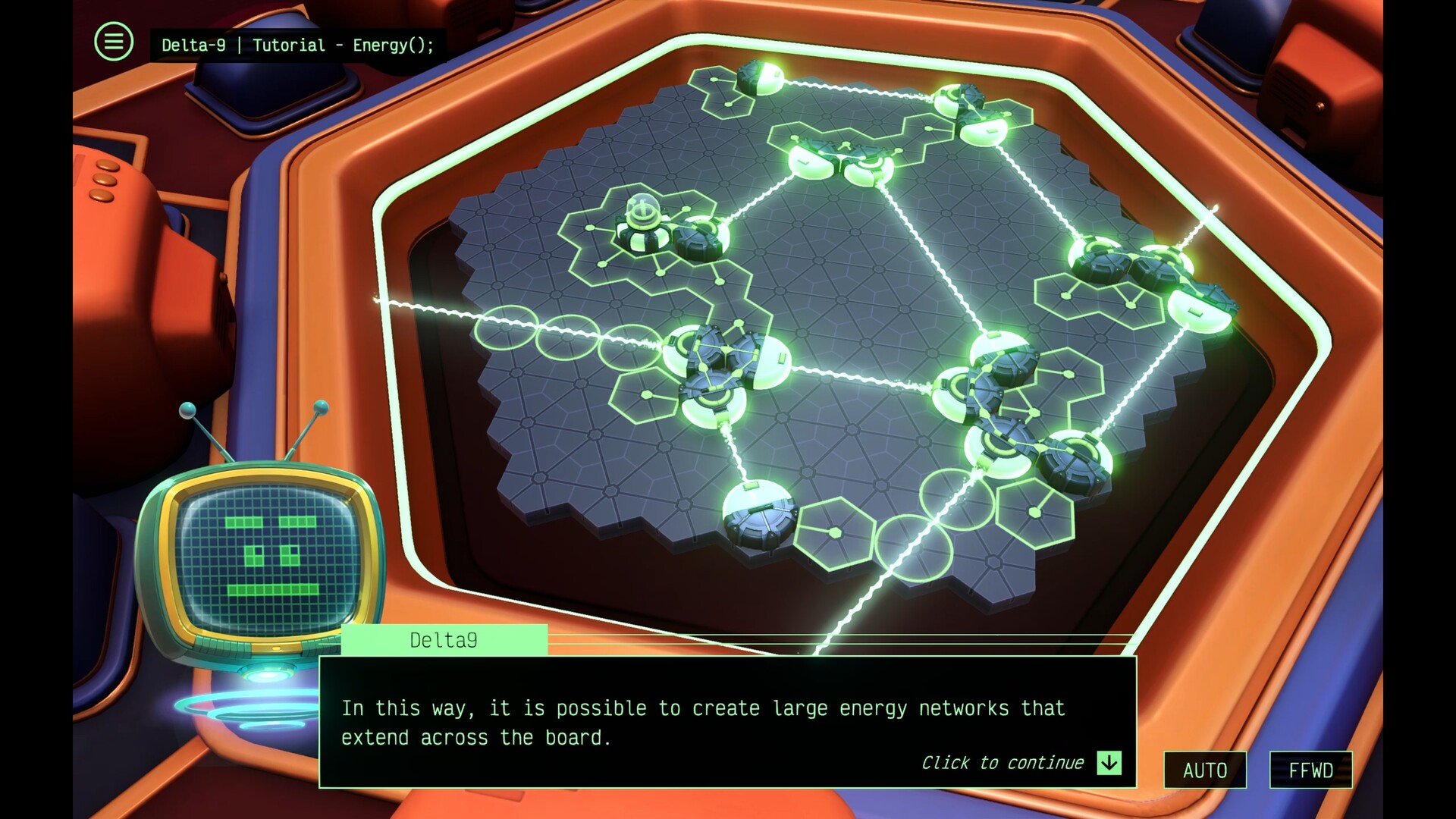
The demo splits its teaching across three AI opponents, each designed to introduce a different layer of the game. The first, called the TV Teacher, covers fundamentals: energy flow, laser positioning, and how actions resolve into chain reactions like pushes and explosions. The second, The Claw, comes in two difficulty settings, with the easier mode teaching consequences and recovery while the normal mode punishes careless play by predicting player behaviour. The third is a set of 23 curated puzzles, each presenting a fixed board state and asking players to find solutions like winning in a single turn or within a set number of moves. Hints are available but won't solve anything outright. Oxobox estimates about an hour of playtime for the demo, though AI matches can be replayed freely.
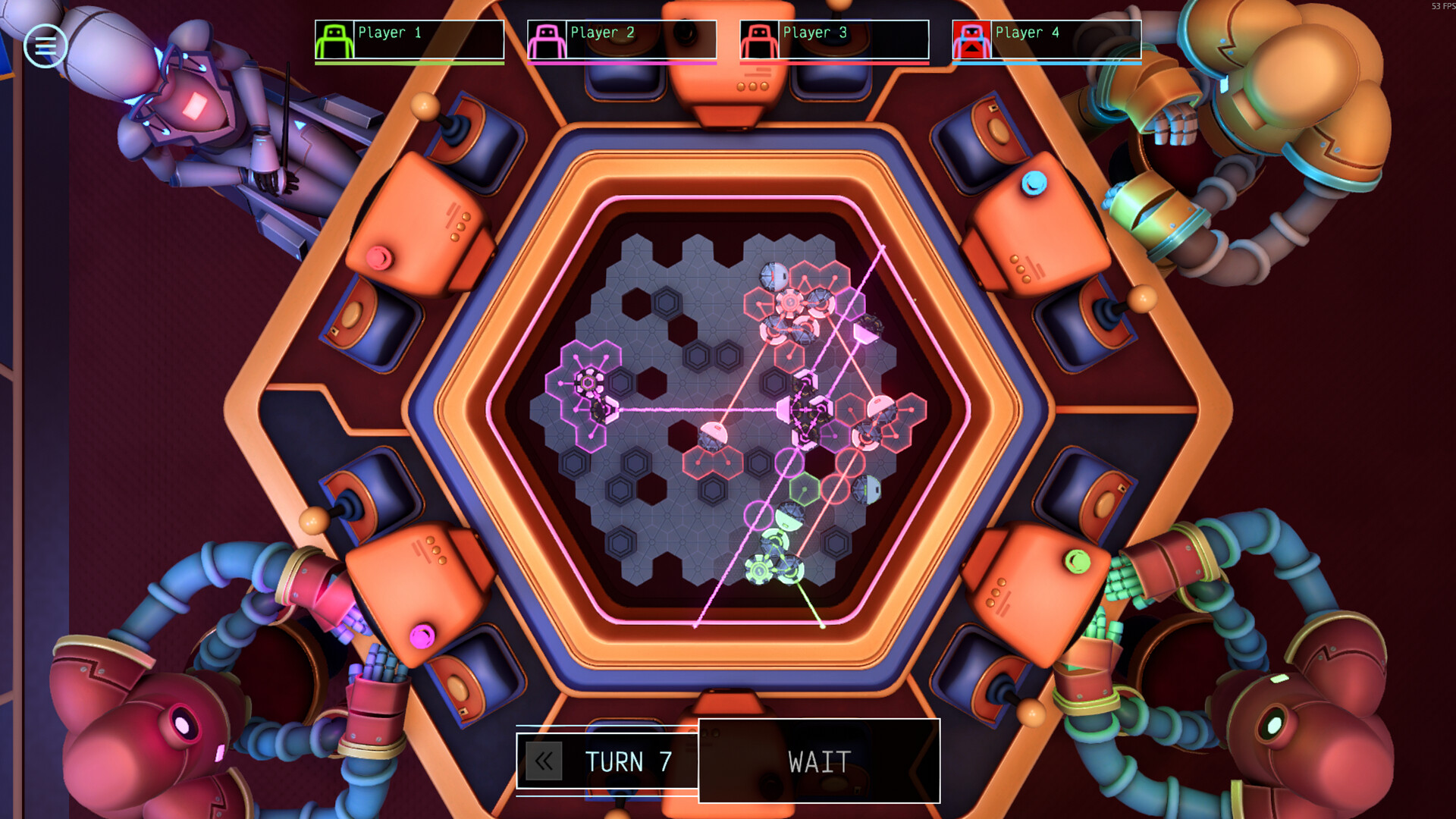
The game draws inspiration from the clarity of chess and Go but operates on a wholly original ruleset, one that took two decades to develop from its origins as a pen-and-paper draft. That long gestation shows in the simultaneous turn system, which feels like the kind of mechanic that needed years of iteration to balance. Every move in Sente carries consequence, and the board constantly seeks to regain equilibrium after each cascade of energy, shields, lasers, and explosions reshapes it.