

Station Command is a sci-fi strategy RPG coming to PC from Respite Games, the indie studio led by Daniel Baumann, whose credits include time at EA, Blizzard, and Tencent. A demo arrives April 2nd, with the full game following later. Players take command of a starship fleet in a corporate dystopian future, designing vessels, managing crew relationships, and fighting through tactical turn-based autobattles across the galaxy.
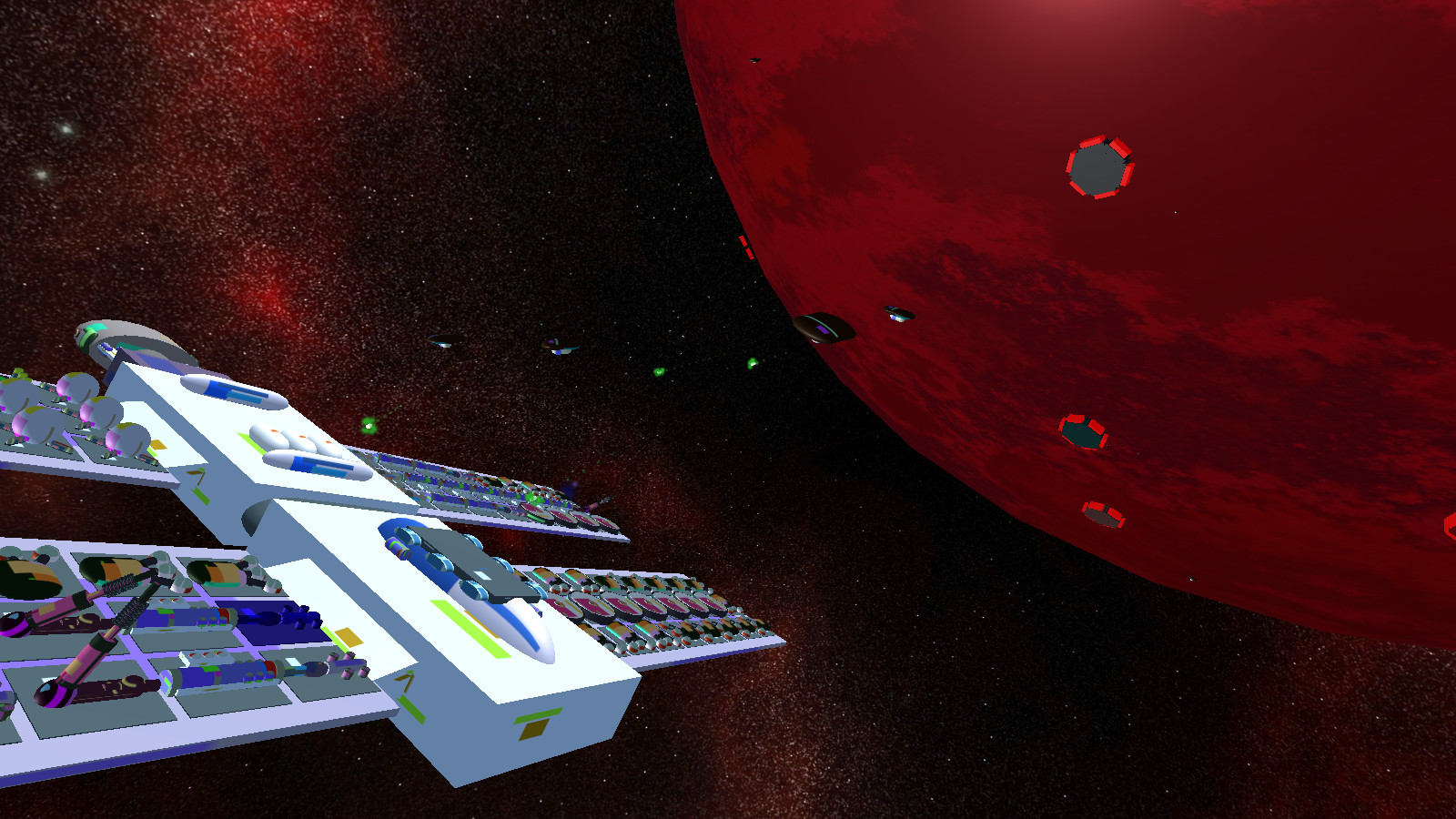
Combat runs on preparation more than reflexes. Before each mission, you choose which ships to deploy and outfit them with parts, weapons, and upgrades tailored to whatever you're about to face. Weapon systems each serve a distinct tactical role: traditional cannons offer steady damage, rotary weapons chew through shields, missiles deal heavy damage on a future turn but can be shot down before they connect, and field weapons trade raw power for crippling status effects. Beyond armaments, you can reinforce hulls for durability, improve salvaging systems to strip more from defeated enemies, or install tactical upgrades that grant additional tactic points and faster regeneration mid-fight. The battles themselves are autobattles, meaning the preparation and the timing of your deployed abilities carry the weight. Exploiting enemy weaknesses and coordinating your ship systems at the right moment is what separates a clean victory from a costly one.

Every defeated enemy becomes a resource. Salvage operations let you strip conquered ships for weapons, systems, and technology, then reverse engineer their best ideas for your own fleet. There's a catch, though. Reverse engineering tech that isn't company-issued can earn you copyright strikes on your performance review, a detail that speaks to the game's broader corporate framing. Regular performance reviews measure your effectiveness as Commander, and failing to meet expectations means your turn ends.
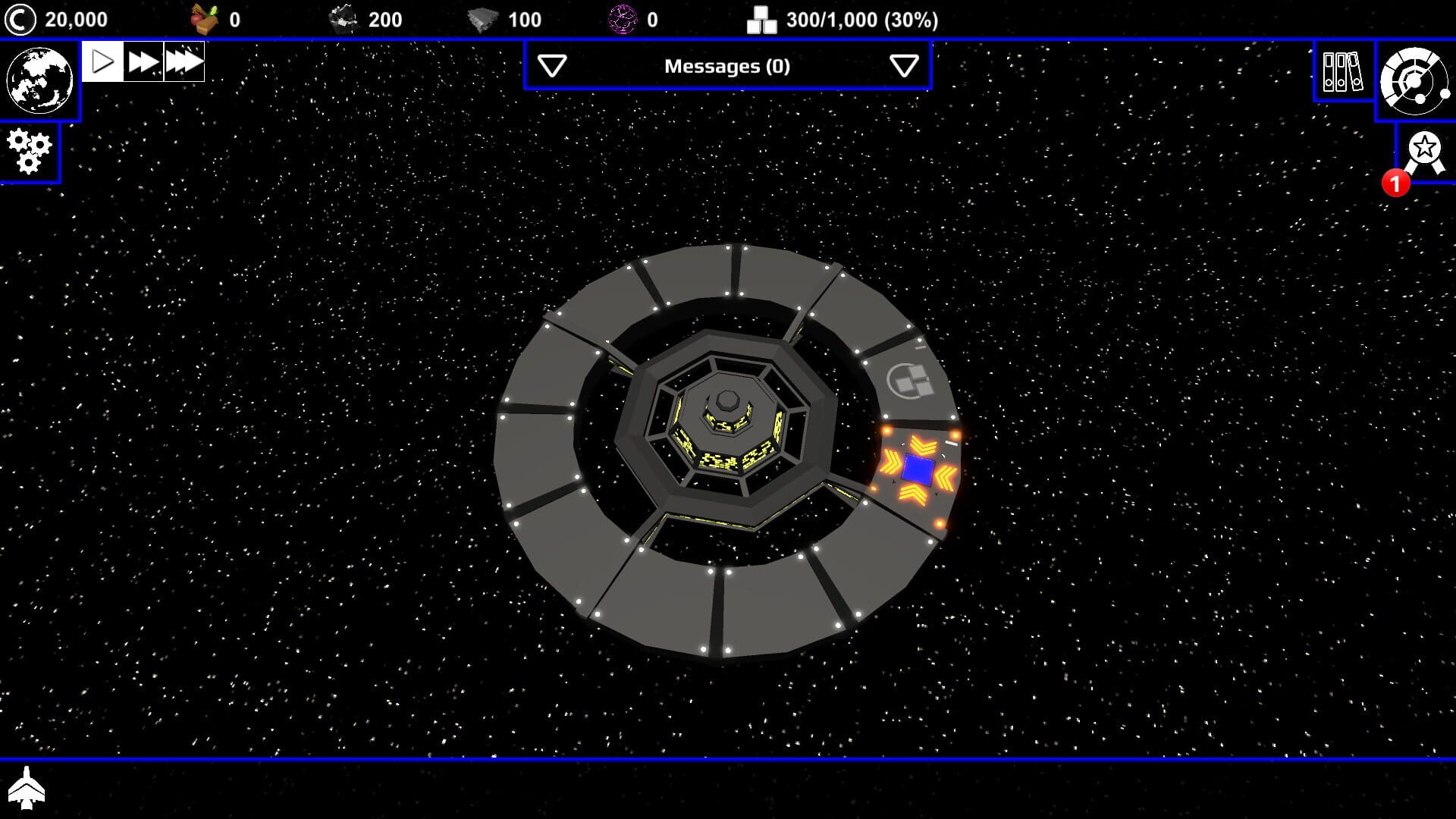
Watchpoint Station is your base of operations, split between two spaces. The Hangar is where you select missions and prepare your fleet. The Commander's Quarters is where the human side of the job lives: conversations, requests, and corporate correspondence stacking up between deployments. A cast of crew members populates the station, each with their own personalities, interests, and ambitions. Building rapport means fulfilling requests, supporting their goals, and learning what drives them. As trust deepens, crew members may share valuable insights or corporate secrets. Everyone aboard has their own agenda, though, and accepting one opportunity can mean closing the door on another. Your decisions shape trust, loyalty, and the station's fate.

Progression threads through both combat and crew management. As your people gain experience, you unlock and enhance tactical abilities through training, station upgrades, and key interactions. These can refine existing tactics or introduce entirely new ones, letting your approach evolve over time. Advanced science and engineering systems offer further customization, modifying and evolving your equipment and ships to match your strategy.
The premise is straightforward corporate satire. You've been promoted by Teleston Industries to command Watchpoint Station, tasked with restoring order to the system and keeping nearby mining operations running smoothly. It's a corporate dystopia dressed in starship combat, where your employer measures your worth in performance reviews and your crew's loyalty is something you earn between correspondence and salvage runs.
Respite Games is Baumann's debut studio, founded with the stated goal of creating a place for both employees and players to find respite in, prioritizing gameplay and story over spectacle. Station Command is their first release, built around the tension between fleet customization and the relationships that shape what your fleet can actually do. The corporate performance review hanging over every decision gives the whole thing a specific edge, where even your salvage choices carry professional consequences.