

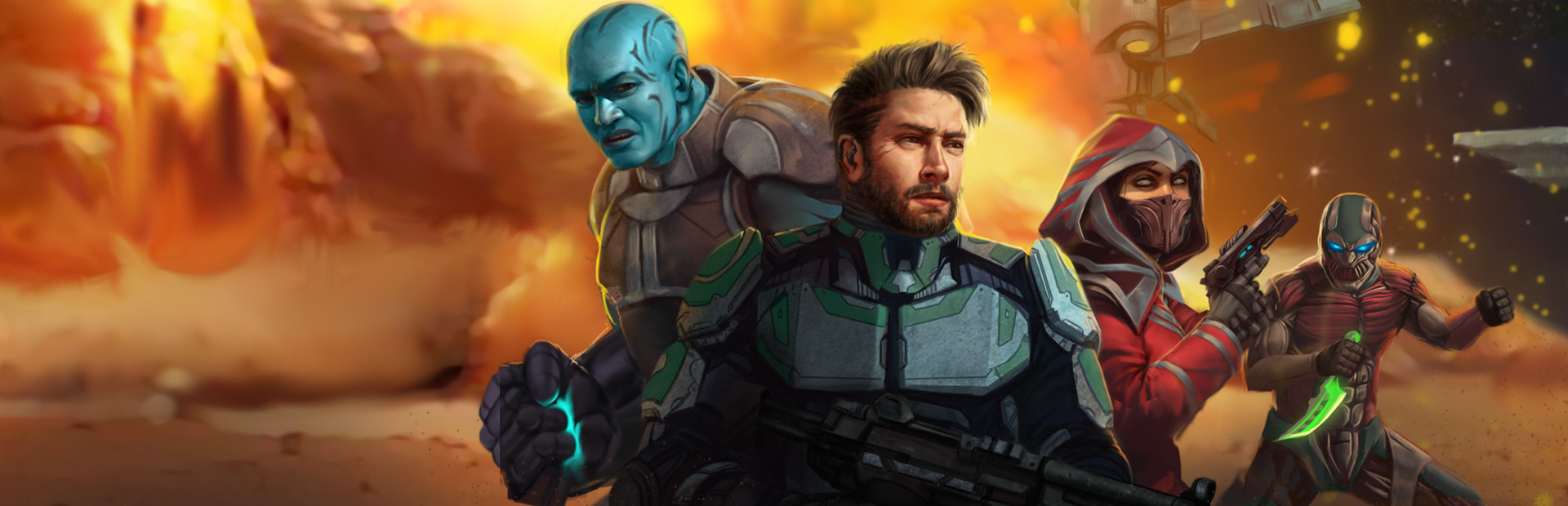
Stellar Tactics leaves Early Access and launches its 1.0 release on March 30, 2026, available on PC through Steam, GOG, and Humble. Developed by Maverick Games, a solo indie studio founded by Don Wilkins, whose credits include time at Sir-Tech Software, Sierra Entertainment, and 3DO, the game blends turn-based squad combat with open-world space exploration across a universe containing over 160,000 star systems.
That number sounds absurd until you start picking at what fills it. Stellar Tactics builds its universe from star systems, sectors, and millions of planets, each scannable for data, hidden locations, and mineral deposits. Ancient civilizations sit alongside colonies and cave networks, the ruins of centuries of warfare scattered across planetary surfaces. Space stations serve as hubs where characters with their own goals and objectives can be found. The mood leans into nostalgia for a specific era of RPGs, the kind where a universe felt genuinely hostile and discovery meant something because survival was never guaranteed. A disease called Phage is mutating and consuming worlds while galactic powers fight for supremacy, and the spaces you explore carry the weight of that ongoing collapse.
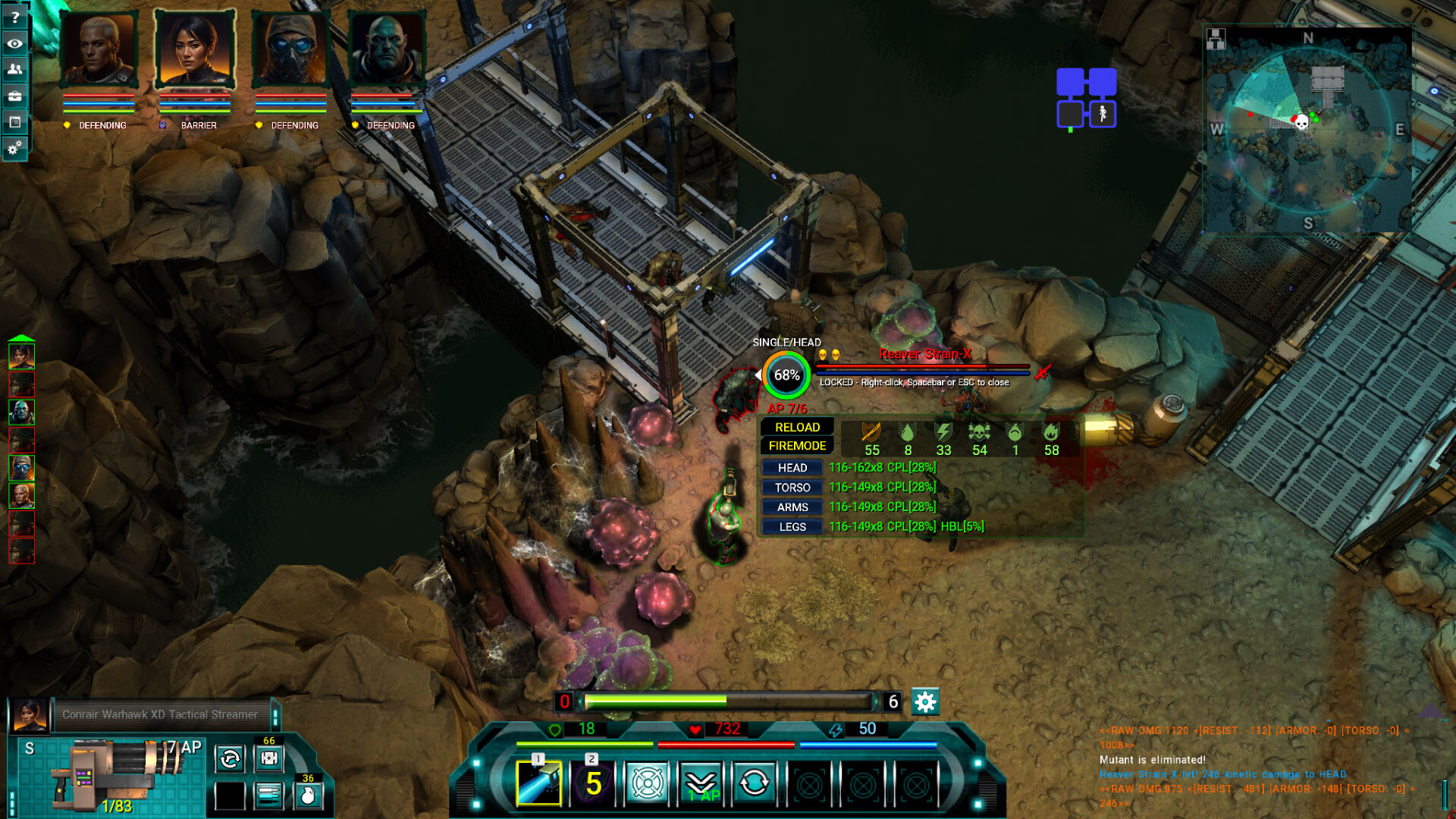
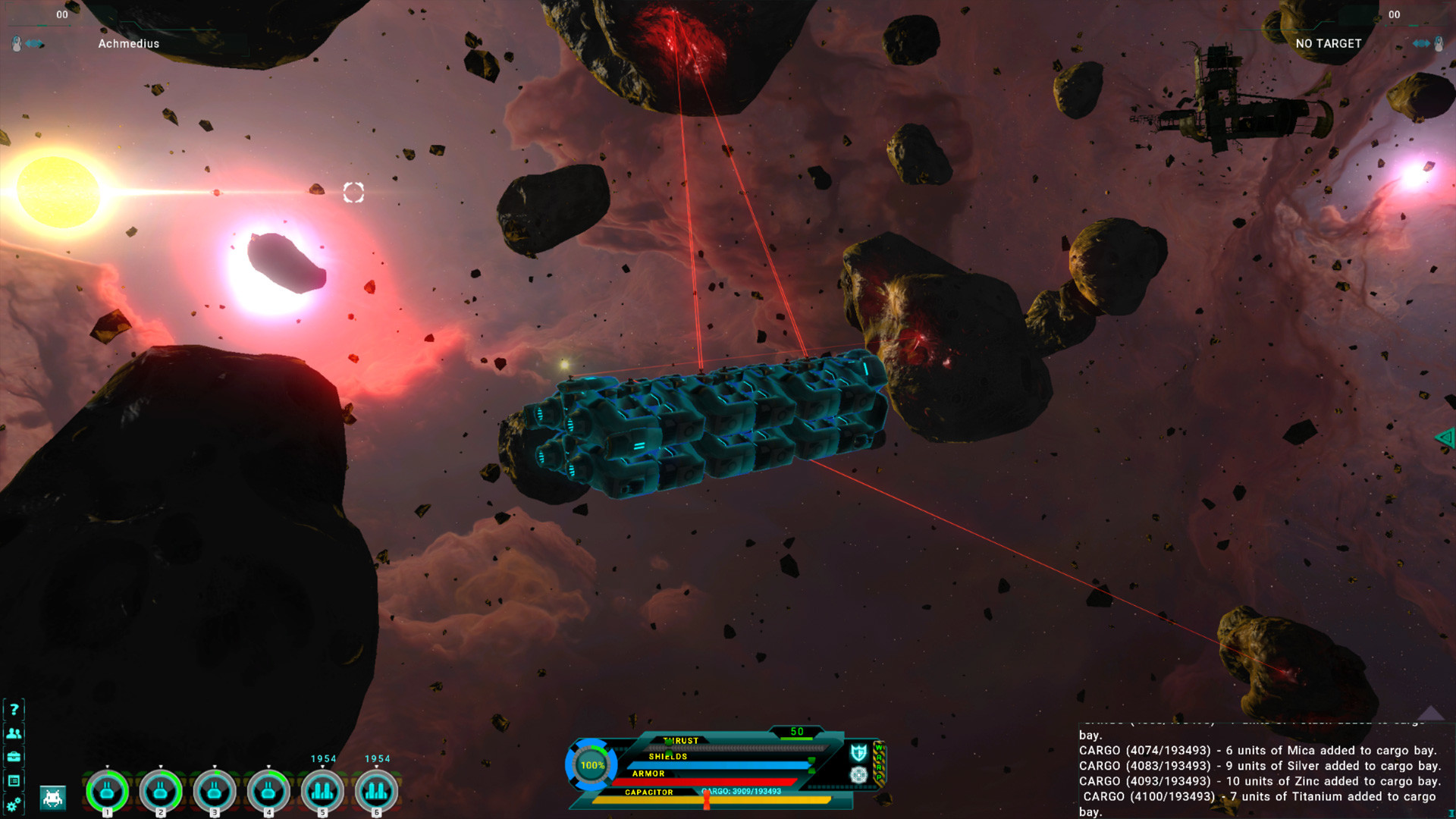
What you do in those spaces splits cleanly between ground and orbit. On planets and stations, combat plays out in turn-based tactical encounters against mutants, monsters, raiders, pirates, and scavengers. Every weapon carries distinct advantages and disadvantages, and two additional combat systems layer on top: Psionics and an ancient alien force called Azimuth. In space, you're piloting one of 40 ships that can be customized with varying quality grades of equipment and specialized for cargo, mining, exploration, or combat. You can disable and board enemy ships with your away team, looting them and selling them for profit. Asteroid mining feeds into ore refining and commodity trading through a system called Trade-Net, where you set beacons in star systems to stream trade data and work the universal commodities market. Planetary scanning reveals resources harvestable by mining drones, feeding back into crafting. The loop between fighting, exploring, trading, and building keeps branching rather than narrowing.
You play as a genetically engineered mercenary woken from cryostasis after your escape pod is rescued. Years have passed since a disaster struck the colony ship you were stationed on, and the galaxy has shifted around you. The Phage spreads while political factions vie for control, and your path through it, whether you ally with a galactic power or stay strictly a mercenary for hire, is left open.
Character progression runs on a classless system where skills improve through use rather than level-up menus. Two hundred and forty perks allow unrestricted customization, letting you specialize squad members in particular weapon types or spread their abilities wide. Gear can be upgraded with Nano-Tech and component parts, and most items can be crafted for both crew and ships. The equipment system bends around how you want to play rather than funnelling you toward a single build. You're assembling a squad from novice mercenaries and shaping them into experts through the choices you make about what they practice and what they carry.
The broader question Stellar Tactics poses is one of agency against scale. A universe this large could easily feel empty, but the game stocks it with bounties to hunt, a main story to follow, and exploration opportunities that surface organically through scanning. The political landscape and the Phage create pressure from both sides, factions pulling at you while the galaxy itself decays. Whether the tension holds across tens of thousands of solar systems is the kind of thing only the full 1.0 release can answer, but the structure is built to let players define their own relationship with a universe that doesn't wait for them. Mining drones harvest resources while you chase bounties in another sector. Trade beacons feed you market data while you clear ancient ruins on a planet's surface. The game wants you juggling priorities across a galaxy where everything connects back to keeping your crew alive, your ships equipped, and your reputation intact.