

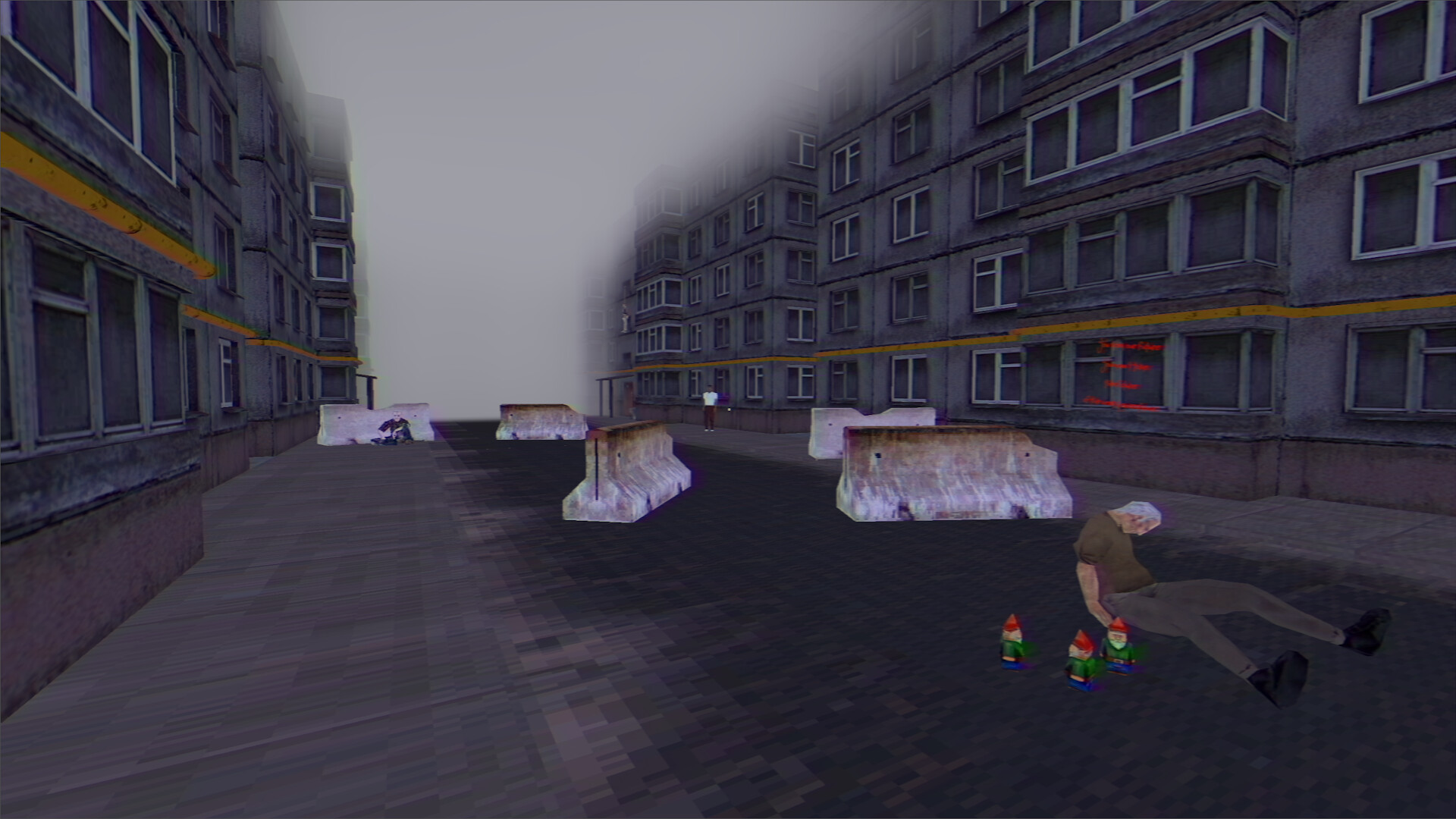
A chip in your brain automates your labour. It hums and vibrates, an irritant you've learned to live with because the alternative, climbing out of poverty in a world that won't let you, doesn't exist. Then one morning the chip malfunctions and the irritant becomes agony, a splitting pain no one at the factory medical unit will treat. The Black Whale is a first-person psychological horror about addiction as the only exit offered to someone the system has already discarded. Developed by Marrit, it runs about twenty minutes and uses that brevity to trace a complete arc of dependency, from the first desperate dose to the social freefall that follows.
The drug shares its name with the game. "The Black Whale" is an expensive white powder, the only substance that stops the pain from the malfunctioning chip, and it does something else too. It sends you somewhere. You ride on the backs of flying black whales, lifted out of the cruelty and suffering of your reality into something that feels, briefly, like life again. That contrast is the engine driving everything here. The dystopian world you inhabit is a future where poverty is all-consuming and workers carry corporate hardware in their skulls. The whales offer the opposite: beauty, freedom, weightlessness. The game doesn't need to explain why someone would chase that feeling. It just needs to show you both sides and let the gap between them do the work.
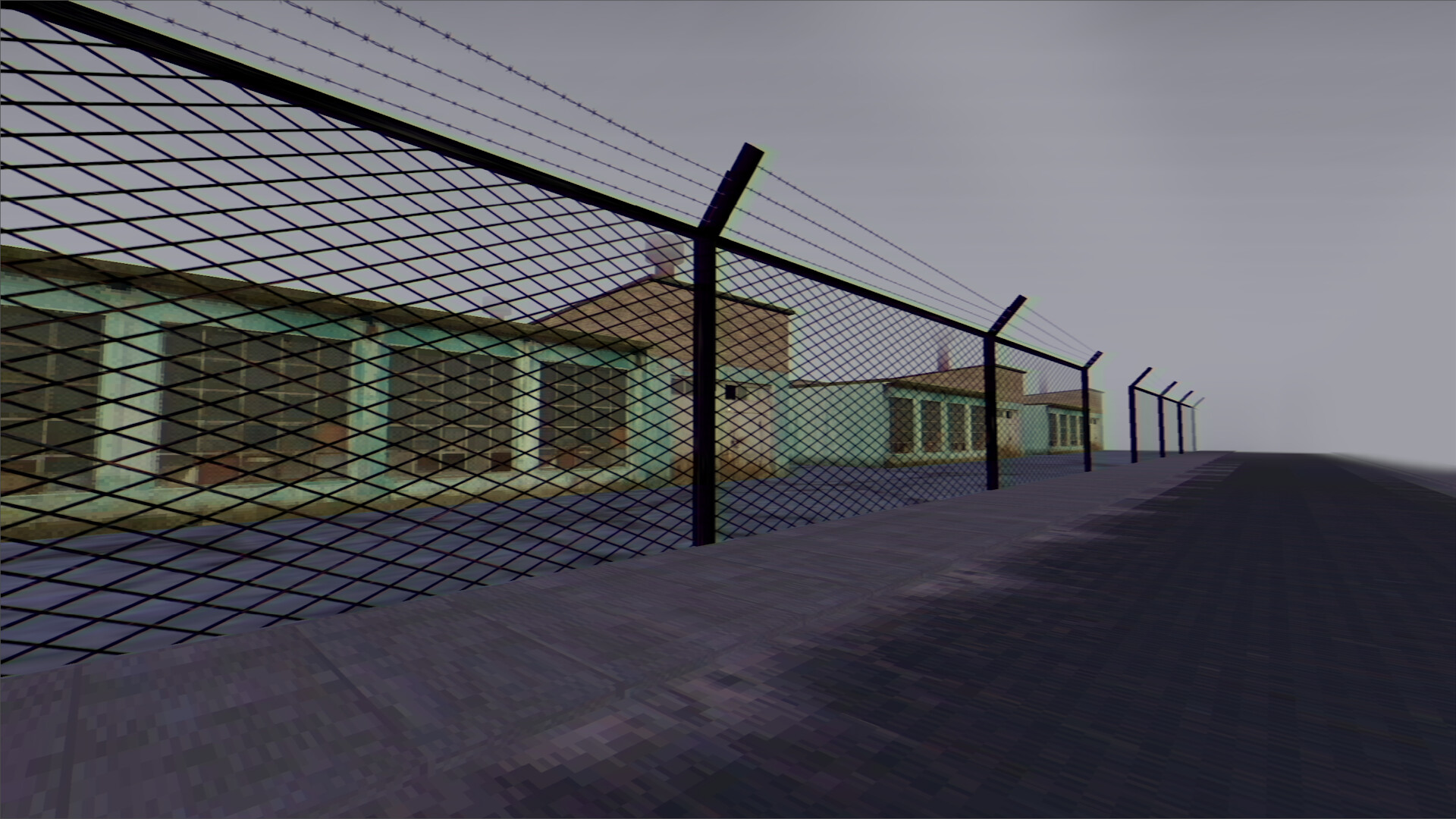
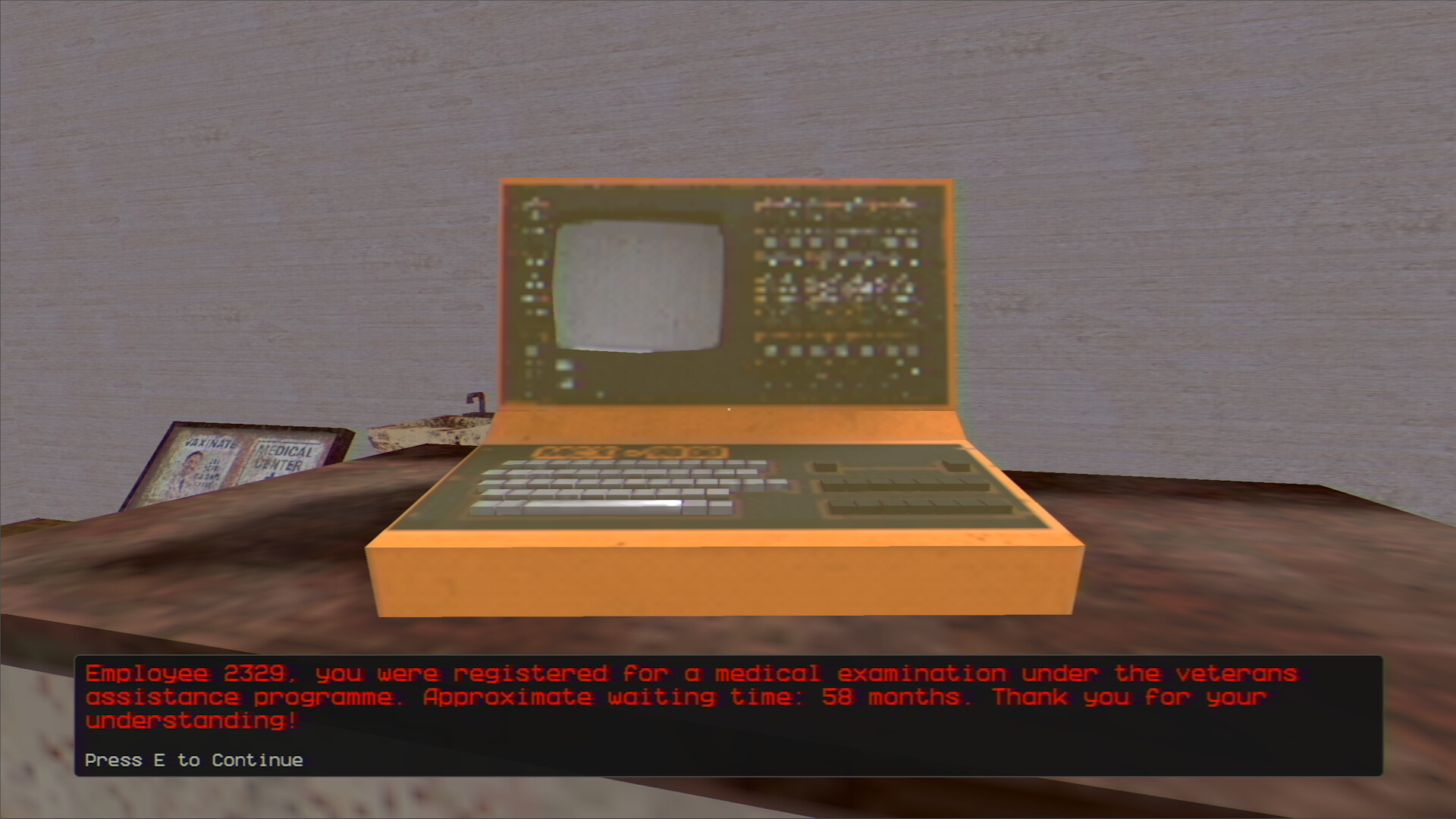
What you actually do between doses is scavenge. The core loop is exploration and story progression woven together. You move through locations in first person, reading notes, talking to NPCs, interacting with objects, searching for anything you can sell. The objectives are simple by design: find items, convert them to money, buy another dose. Early on you're selling your own property. Later, when there's nothing left, you turn to theft. The game tracks this descent across several in-game days and multiple locations, each cycle pulling you closer to the social bottom. It's linear, not branching. You don't choose whether to spiral. You observe it happening, watching the main character's moral and physical deterioration as the need for the next dose overrides everything else.
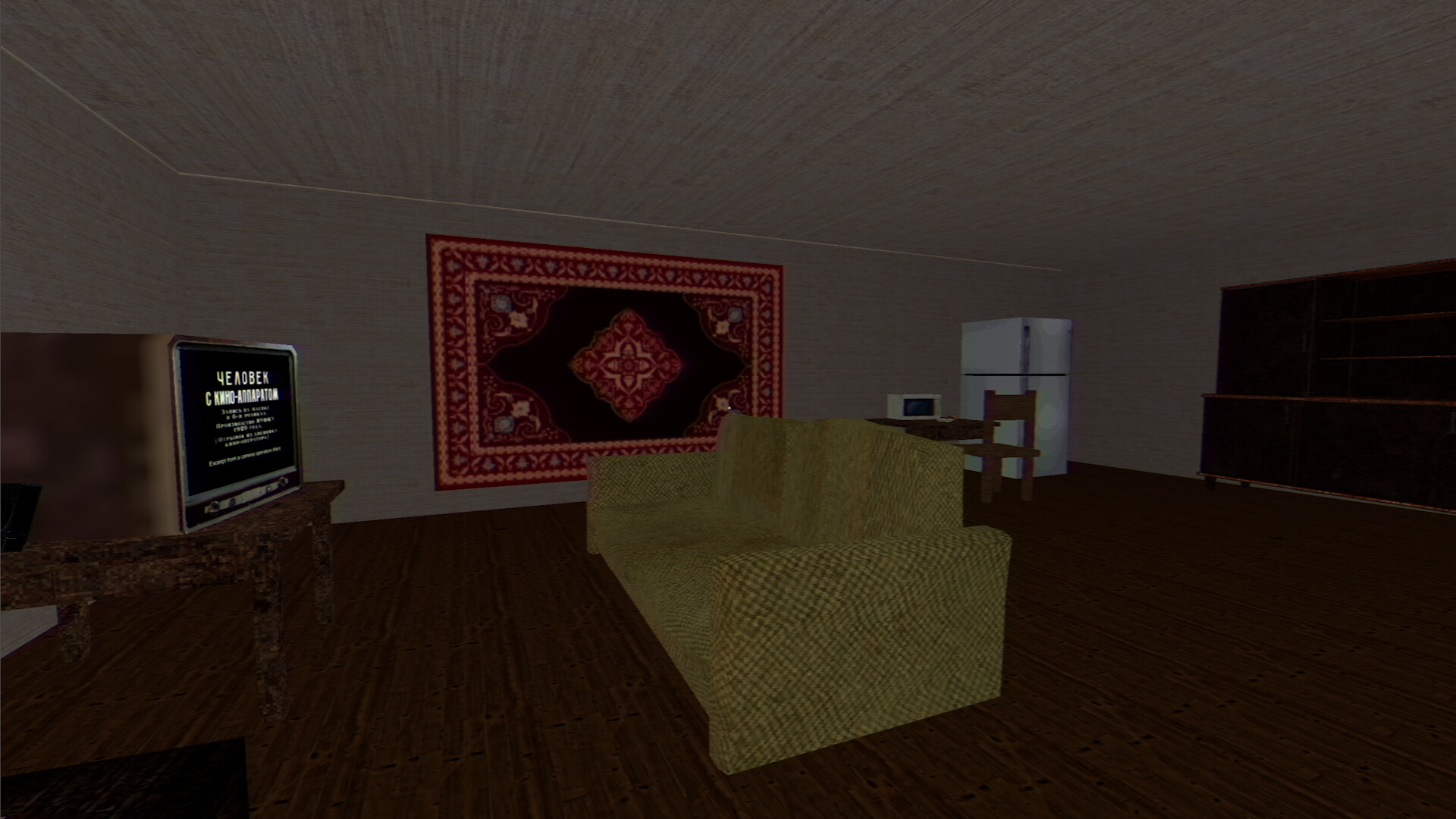
That linearity is deliberate. The Black Whale isn't interested in giving you agency over the addiction. It wants you inside the experience of someone who has none. The pacing moves through days that feel increasingly compressed, reality shrinking to a single purpose while the whale rides offer punctuations of escape that make the return harder each time. Notes and NPC conversations fill in the world around you, sketching the broader dystopia, but the focus stays tight on one person's collapse. The horror isn't in jump scares or monsters. It's psychological, rooted in the recognition that the character's situation is both extreme and entirely logical given the world they live in: a malfunctioning chip, no medical help, unbearable pain, and one available solution that costs everything.
There's something pointed about setting this in a factory called "White Whale," a name that already carries the weight of obsessive, doomed pursuit. The drug that mirrors it, the Black Whale, completes the image. You're chasing something that will destroy you, but the pain of not chasing it is worse. The game doesn't moralize about this. It presents the conditions, the poverty, the corporate indifference, the chip you never asked for, and lets you walk through the consequences at ground level. Twenty minutes is enough to feel the full shape of that story without padding it.
The Black Whale is available on PC as a free-to-play title.