

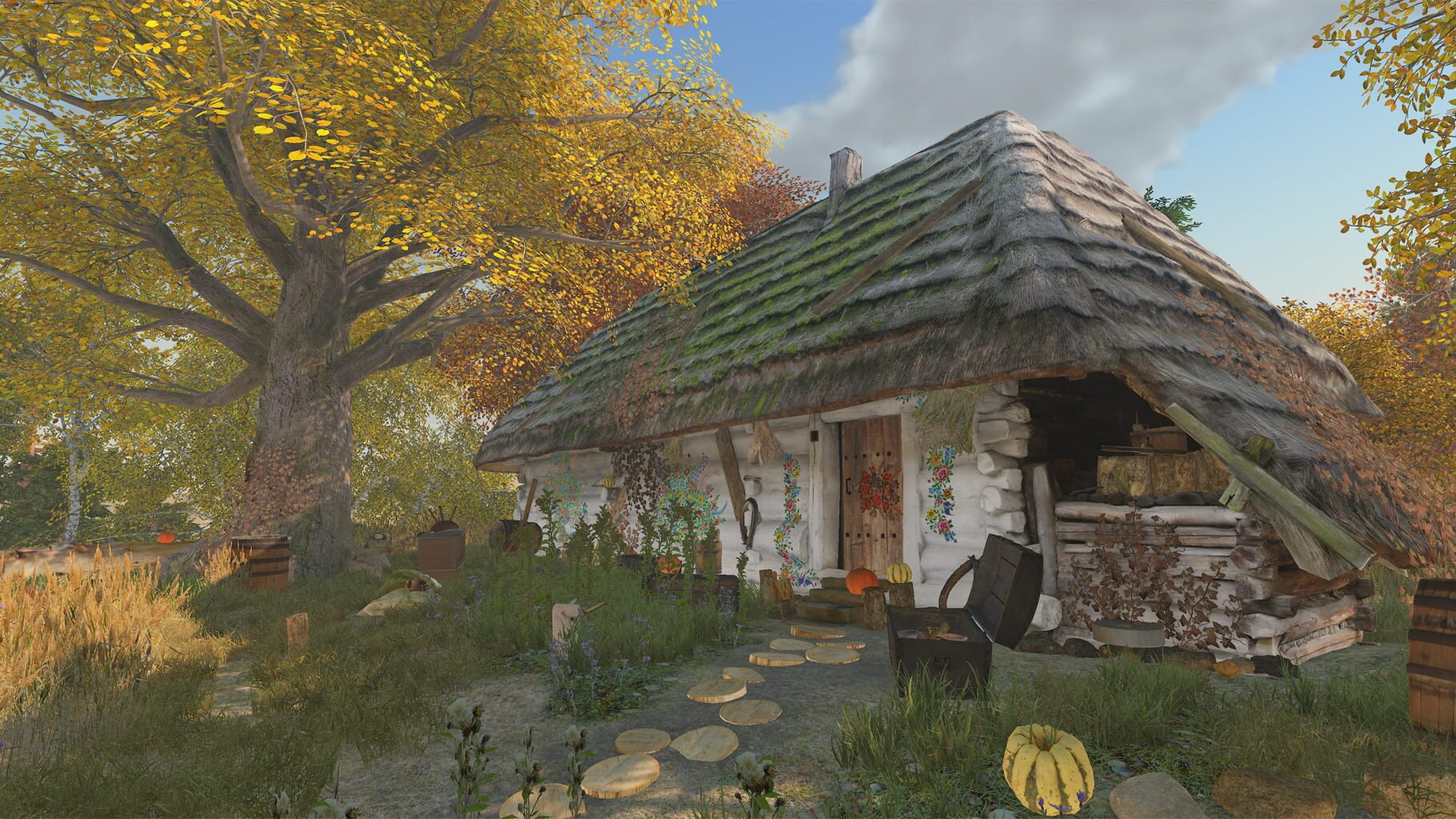
The End of the Sun, a first-person mystery adventure steeped in Slavic folklore, launches on PlayStation 5 on April 21, 2026. Already available on PC, the game was developed over eight years by a two-person team at The End of the Sun Forge, with publishing from IMGN.PRO.
Players take on the role of the Ashter, a Slavic fire mage who wields time itself. The premise drops you into a village where reality has been distorted and the inhabitants have vanished, leaving behind only smoldering hearths. Through the Ashter's ability to bond with fire, traces become visible that ordinary people cannot see: mythical beings, spirits of past events, paths through time. The village sits at the boundary where myth and reality blur, and the task is to bring order to the chaos that has consumed it.
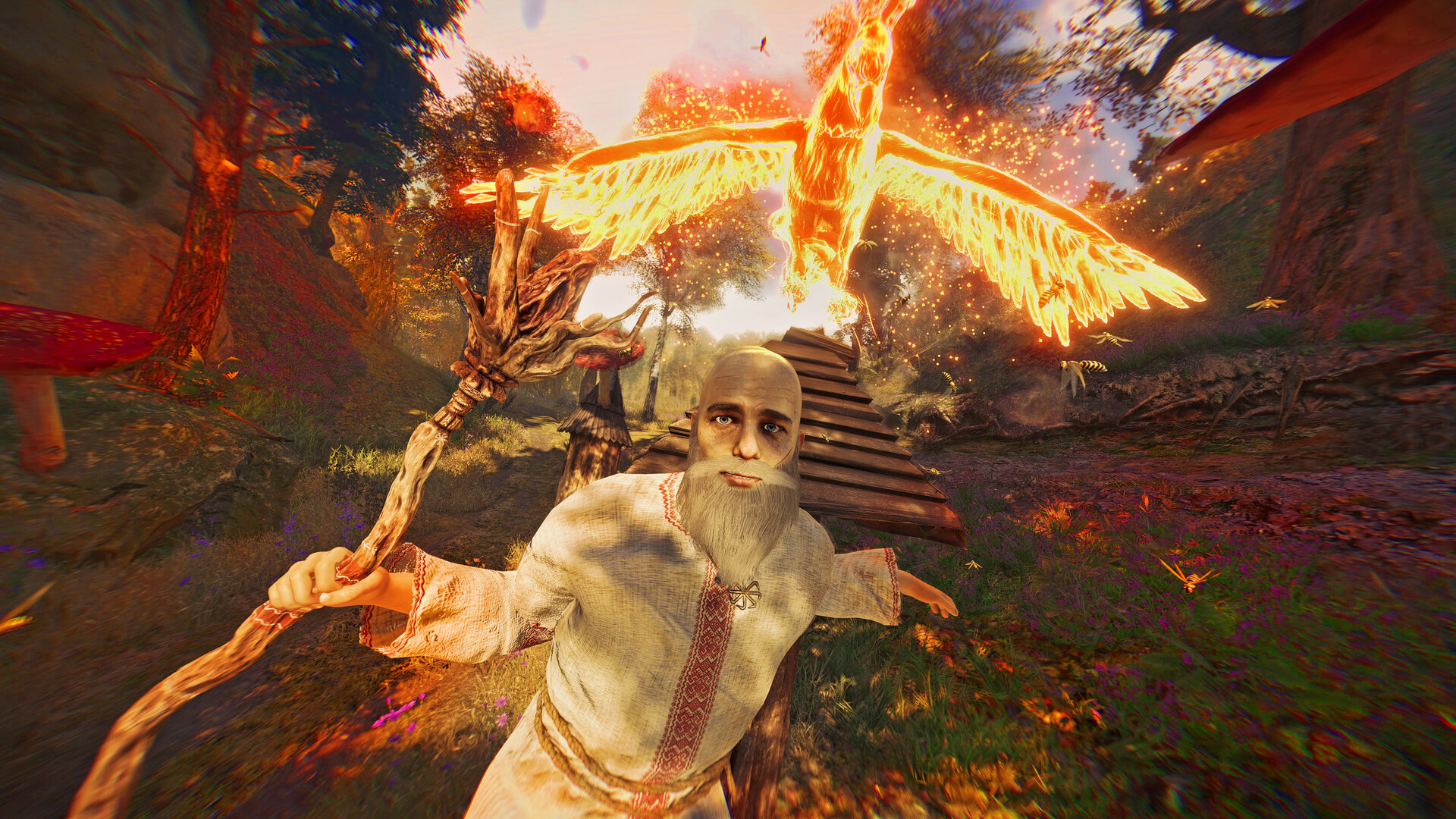
The world draws heavily from real Slavic material culture. The developers used photogrammetry to scan hundreds of museum artifacts and entire buildings from ethnographic museums, reconstructing forgotten traditions with a level of physical authenticity that grounds the fantasy in something tangible. The village and its surroundings are open to explore freely, and the setting shifts across four seasons separated by many years, each tied to a different Slavic festival. This isn't a generic medieval backdrop painted over with folklore references. The seasonal rituals, the architecture, the objects scattered through the environment all carry the weight of research behind them, giving the world a texture that feels lived in rather than designed.
The core loop revolves around fire. Players discover bonfires scattered across the landscape using a magical map, forming bonds with each hearth that function as individual investigations. Connecting with a fire reveals hidden traces and events, while fully kindled bonfires become gateways to time travel. Through these gateways the Ashter witnesses the lives of the same characters at different stages, during different seasons and years, piecing together fragments of a larger story. Actions taken in one time period affect the world in others, and the game asks players to make changes carefully and observe the consequences. Riddles woven into each hearth's investigation push the story forward, each solved fire adding another piece to an overarching tale.
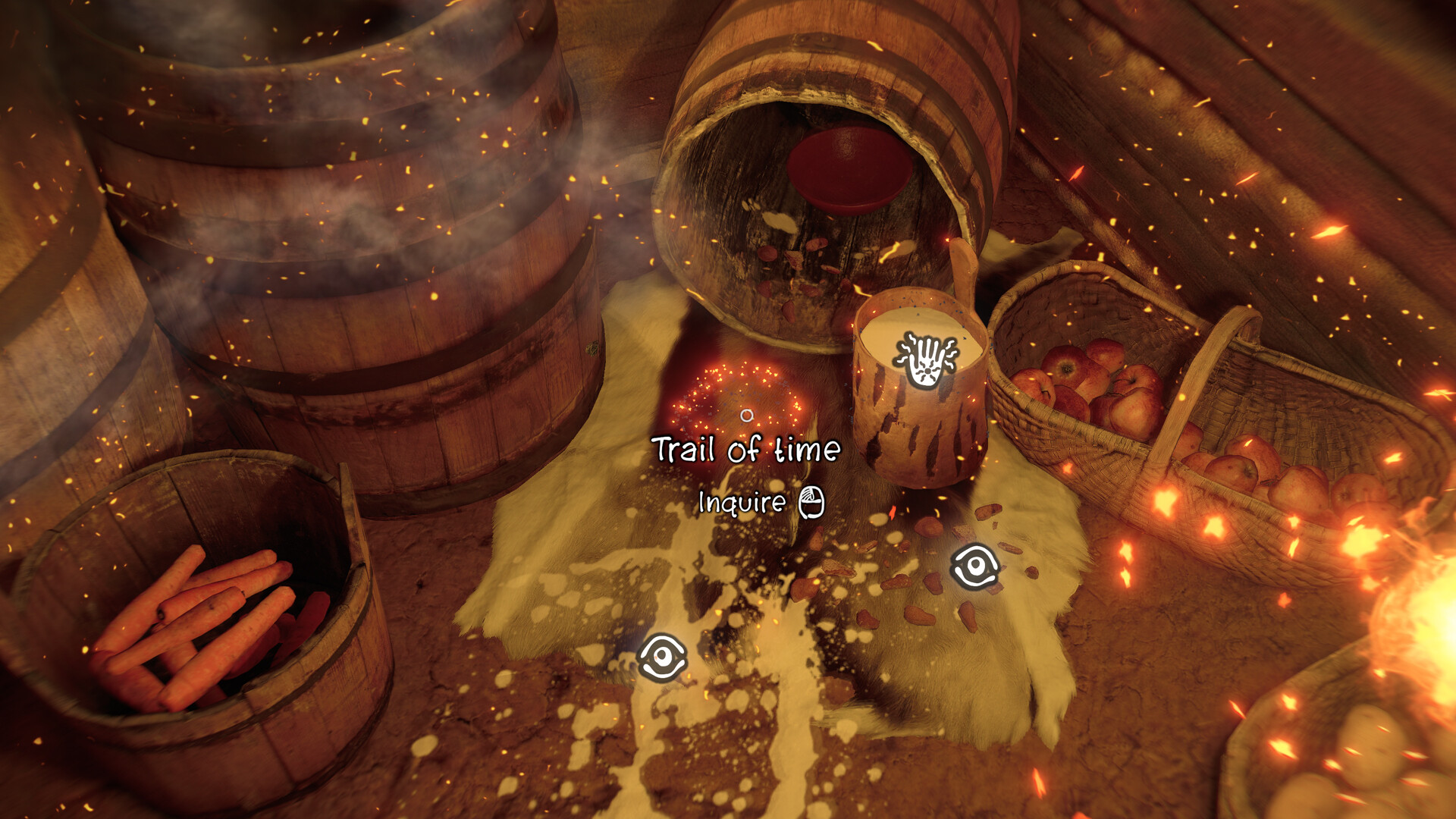
The conflict is quiet but persistent. Ancient powers have disrupted the natural course of events, and the Ashter must restore the paths of the villagers' fates to their rightful track. This is less about combat than about investigation: reading the traces left behind, following the trail of a mythical being through blazing bonfires, using the fire of time to untangle what went wrong. The stakes sit in the question of whether the Ashter can harness enough power to stop these forces and change the inhabitants' fate.
The pacing mirrors the seasonal structure. Each time period carries its own festival, its own atmosphere, its own stage of the villagers' lives. Moving between them through fire creates a rhythm of discovery and reflection: bonding with a hearth, absorbing what it reveals, then stepping through to see how the same places and people look years apart. The game leans into atmosphere and storytelling over action, letting exploration and observation carry the weight.
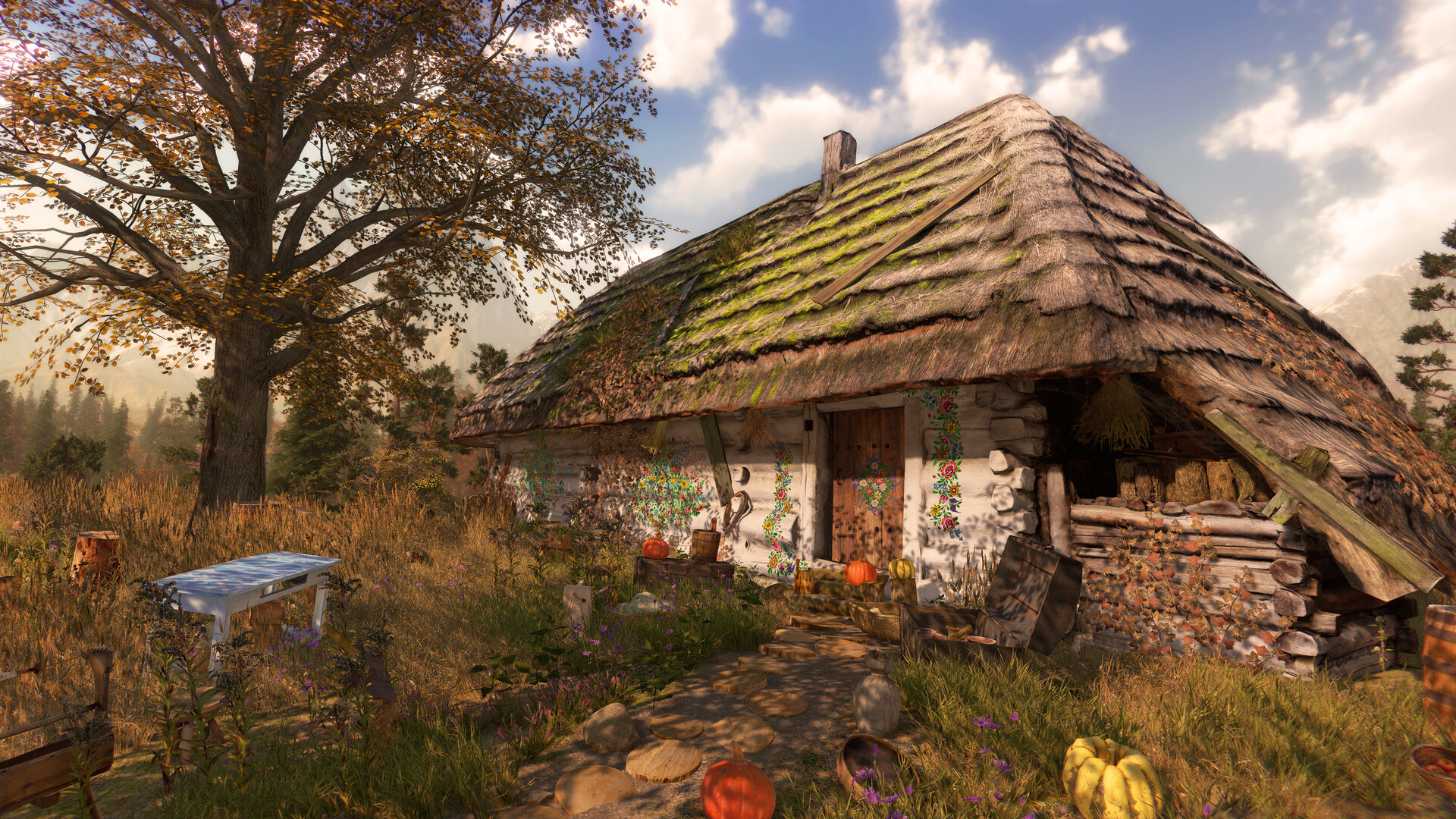
The End of the Sun occupies a space few games attempt. A mystery built not around crime scenes or conspiracies but around ritual, memory, and the slow erosion of a world shaped by ancient beliefs. The Ashter's fires illuminate what was lost, one hearth at a time.