

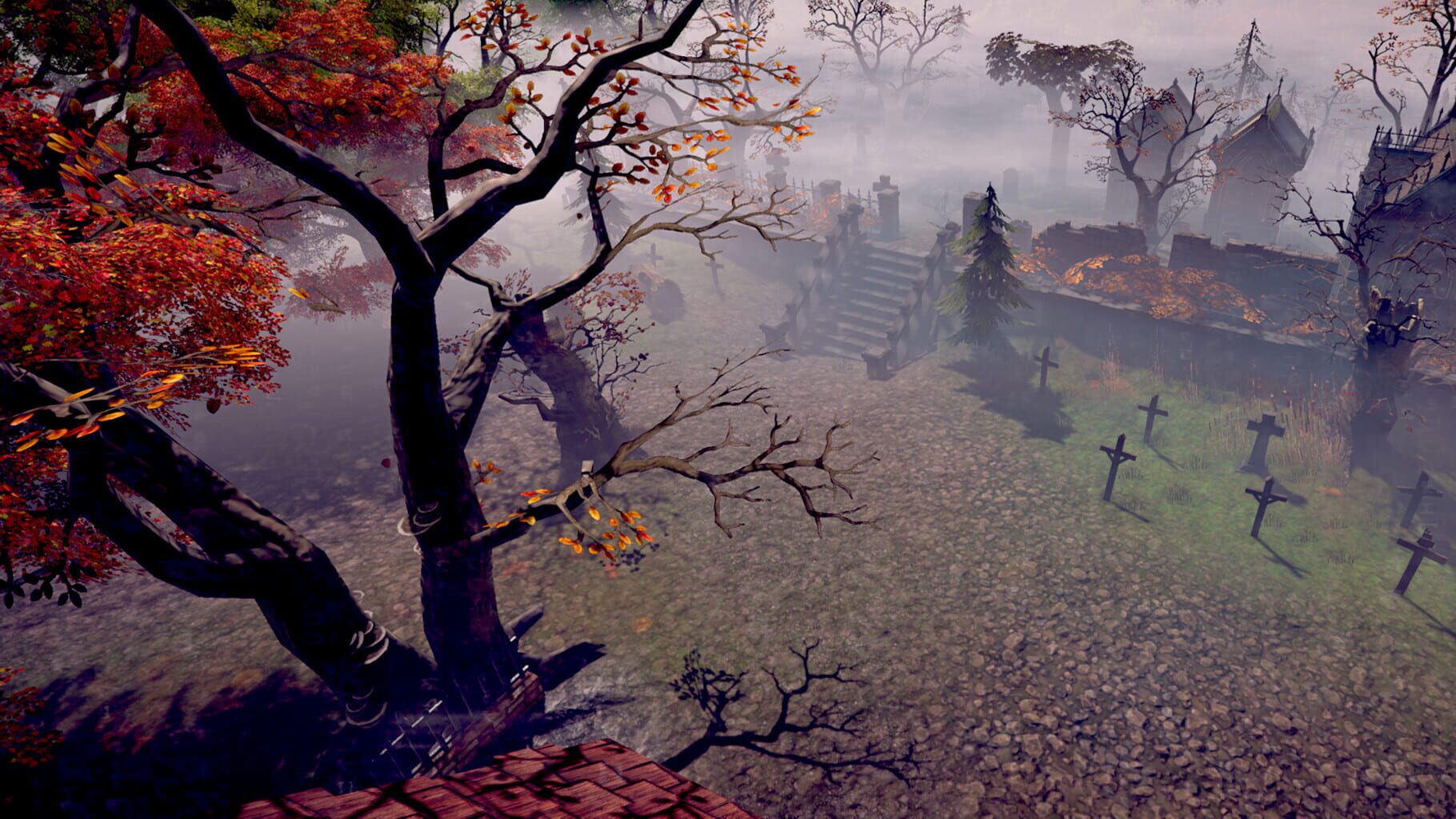
The Necromancer's Tale, a gothic RPG from Psychic Software, launches on PlayStation 5, Xbox Series X/S, and Nintendo Switch 2 later in 2026. Originally released on PC, the game arrives on consoles through a partnership with Silver Lining Interactive, with wishlists now open for PS5 and Xbox.
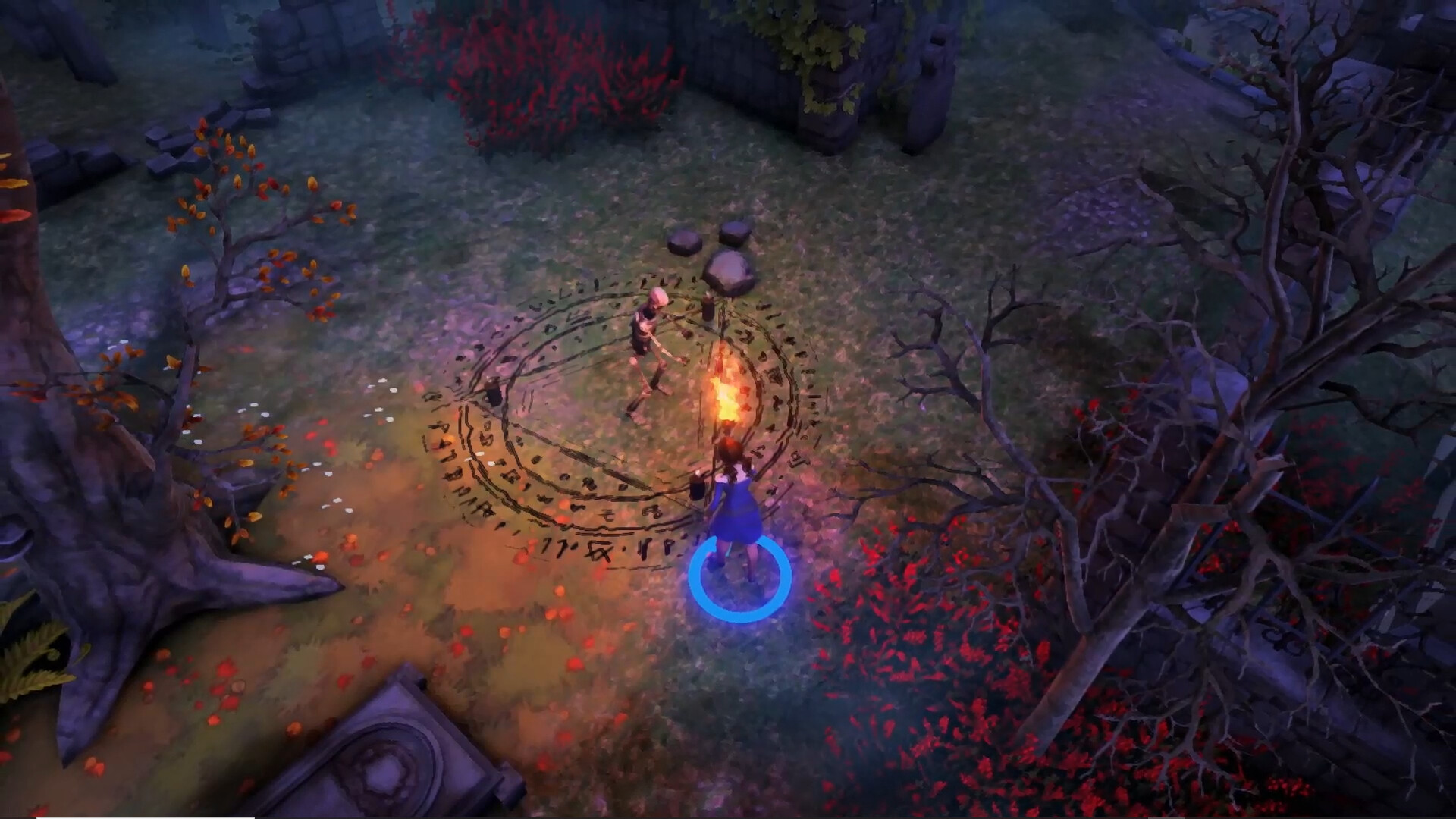
Psychic Software's founders have been making games since the 1980s, and that long history shows in the kind of project they've chosen to build here. This is a game about the cost of forbidden knowledge, set at a moment in history when rational thought and superstition existed side by side. The year is 1733, and your character is a minor noble in an alternative-history kingdom near Venice and the Adriatic Sea, someone drawn to necromancy not out of villainy but out of a desire for knowledge and revenge. What follows is a slow, deliberate unraveling. The power you gain comes with a price, and the game is interested in making you feel that price through every conversation, every ritual, and every decision that pushes you closer to madness.
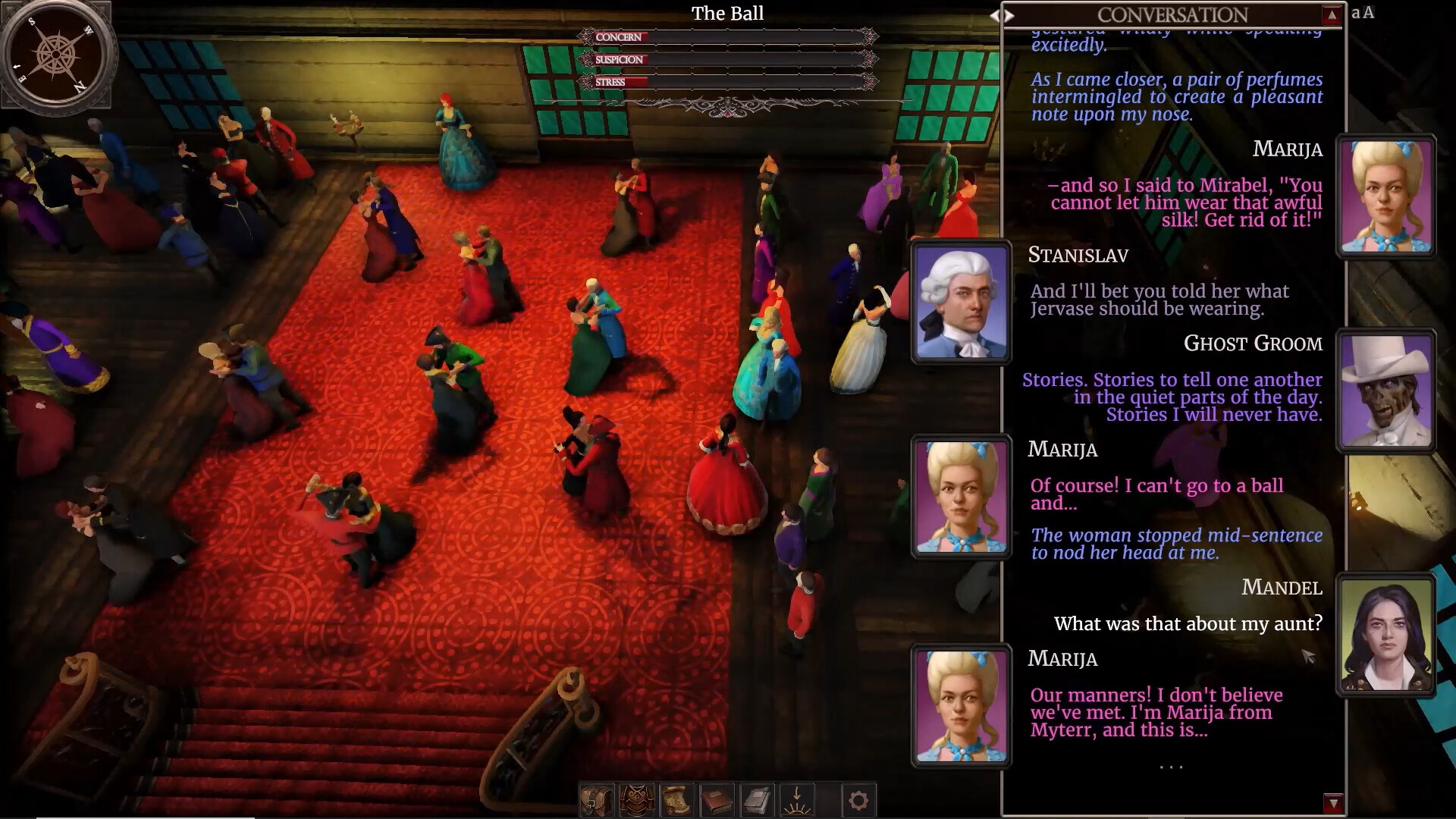
The core of the experience is dialogue. You converse with over 180 NPCs, each with their own hand-drawn portrait art, and the game's Trust system tracks how the people around you perceive your actions. Say the wrong thing, lean too hard on coercion or blackmail, and the townsfolk's trust erodes. Let it drop far enough and you'll find your options narrowing. Drop it further still and you face trial, hanging, or a lynch mob. The tension between ambition and secrecy runs through everything. You're not just choosing dialogue options, you're managing a double life, balancing diplomacy and flattery against the darker tools at your disposal. Tactical turn-based combat sits alongside this, pitting you and your undead minions against both natural and supernatural enemies using weapons, rituals, and battle spells. For those who'd rather keep the focus on narrative, an automatic combat resolution option lets you skip fights entirely.
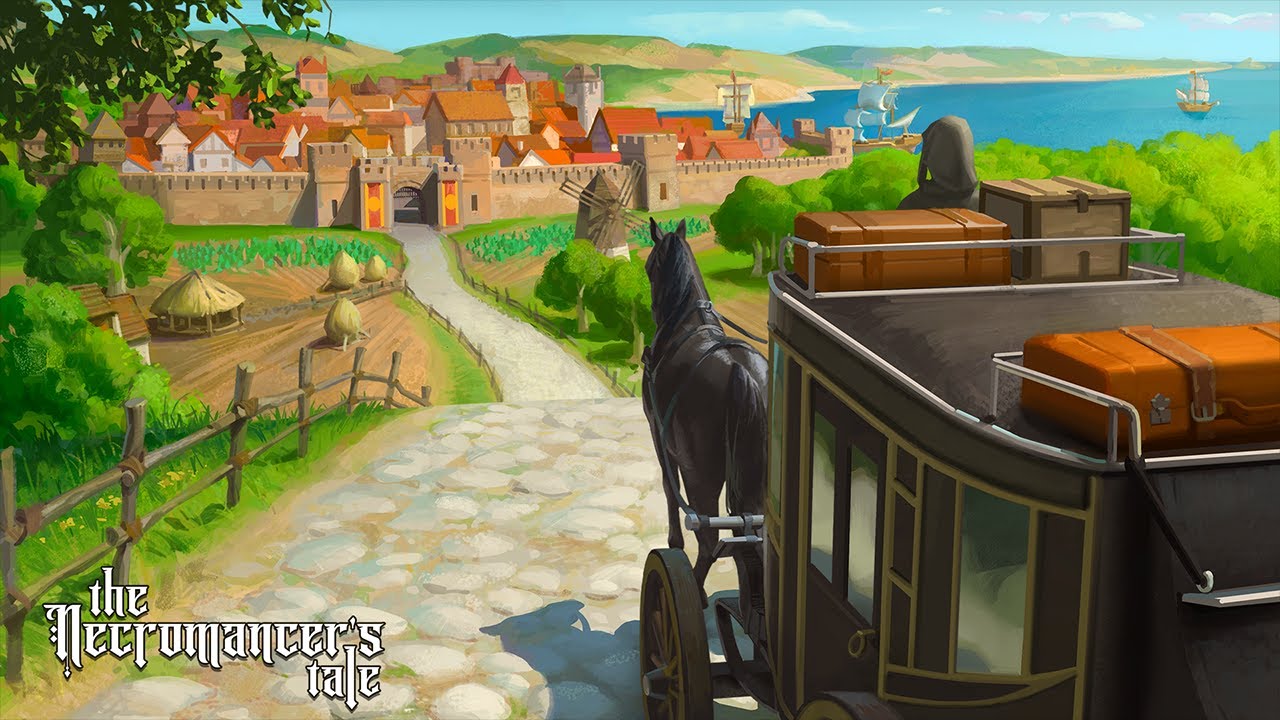
Click to load trailer from YouTube
By clicking, you agree to YouTube's privacy policy. Data will be shared with Google.
You play as a noble whose background you shape through an interactive, fully voiced backstory. Gender, early life, skills, and career path, whether military, diplomatic, or academic, are all defined before the main game begins, and those choices ripple forward into the narrative options available to you. The spellbook at the centre of the story is filled with rites of death and reanimation, pages you must decipher and master without losing your grip on sanity. The game frames necromancy not as a power fantasy but as a discipline that demands cunning and determination, something you pursue in secret while the world around you grows increasingly suspicious.
That world sits at a fascinating crossroads. Courtly intrigue collides with black magic. Chemistry is emerging from alchemy. The kingdom near the Adriatic feels caught between eras, a place where science and superstition coexist uneasily and where a noble dabbling in the dark arts could be celebrated or executed depending on who finds out. The mood is gothic in the truest sense, not just dark but weighted with dread and moral ambiguity. The game leans into the morbid and the weird without losing its grip on the human drama underneath. Your descent into madness isn't a sudden break but a gradual slide, and the writing treats that trajectory with patience.
The scale here is substantial. Over 400,000 words of hand-crafted narrative branch across multiple paths and endings, with a single playthrough of the main story running between 25 and 50 hours depending on how much side content and world exploration you pursue. Psychic Software has noted that no generative AI was used in the game's creation, with all narrative and portrait art produced by hand. That commitment to craft is evident in the volume alone, but more importantly in the way the branching paths give weight to choices that might otherwise feel cosmetic. Multiple endings let you see how your decisions play out into the future, closing the loop on a story that asked from the beginning whether the power was worth what it took from you.
The Necromancer's Tale is a game built around the tension between what you can do and what you should do, where the spellbook on your desk promises dominion over death itself and the people outside your door are one bad conversation away from stringing you up for it.