

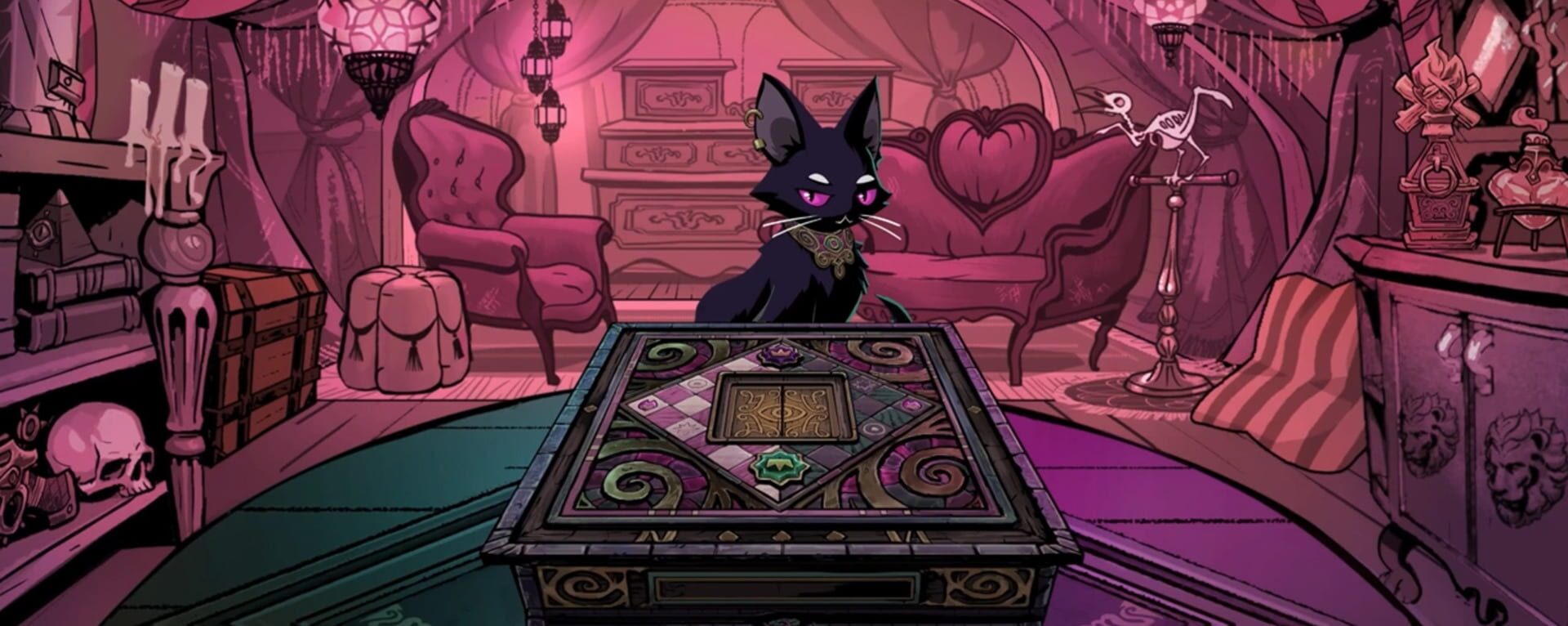
Turnbound is a turn-based autobattler from 1TK Games, currently in Early Access on Steam with a 1.0 launch planned for later this year. A major update has just gone live introducing Offline Mode, letting players experiment with builds without an internet connection, alongside a batch of new content and system overhauls.
The core of Turnbound is competitive inventory management played out on a grid. Every tile you place, whether it's a weapon, piece of armour, consumable, or accessory, triggers cause-and-effect interactions with the tiles around it. During the shop phase you pick, place, and upgrade these tiles, trying to engineer synergies that will carry you through combat. Fights resolve automatically from left to right, top to bottom, and once a battle ends you can use playback tools to study exactly how your choices played out. The opponents you face aren't AI constructions. They're the saved builds of real players, matched asynchronously from the same chamber with the same number of shop rounds behind them. Your own build gets added to the matchmaking database whether you win the run or not, meaning someone else could be fighting your grid minutes after you step away.
Click to load trailer from YouTube
By clicking, you agree to YouTube's privacy policy. Data will be shared with Google.
The premise wraps all of this in a haunted board game. You're trying to outsmart your way to freedom, and the souls you're battling against are the trapped remnants of other players' attempts. Win or lose, your build becomes another ghost in the machine.
Progression runs through six chambers plus a final chamber with its own leaderboard, and each run reshuffles what the board offers you. Three heroes provide different starting points, each with branching ability trees that unlock as you win battles. Trinkets layer on top, opening up combo paths that can reshape a run's direction. The latest update gives trinkets a visual overhaul and folds them into the Tile Catalogue, which now supports filtering by set, type, rarity, and keyword. A new Shop Preview system lets you see the impact of upgrades and synergies before you commit, removing some of the guesswork from decision-making without removing the tension. Two new core tiles, Bond Beetle and Snake 6000, expand the pool of options further.
Player choice drives everything here. The board won't always hand you what you need, so adapting on the fly matters as much as having a plan going in. Foresight and creativity get rewarded, but so does knowing when to abandon a strategy that isn't coming together. For players who want direct competition rather than asynchronous matchups, a Duels system lets you challenge specific builds using shareable codes, turning theorycrafting into something you can test against friends or community-curated Feature Builds.
The pace is entirely self-directed. There's no timer on the shop phase, so you can take as long as you want weighing your options before committing. That breathing room is where the game lives: in the quiet calculation of whether one more upgrade to a tile is worth the cost, or whether repositioning your grid unlocks a chain reaction you hadn't considered. Offline Mode extends that flexibility further, storing progress locally and syncing to cloud saves once you reconnect. The update also adds Thai localization, improved tooltips that show how tiles evolve across levels, and a range of balance adjustments.
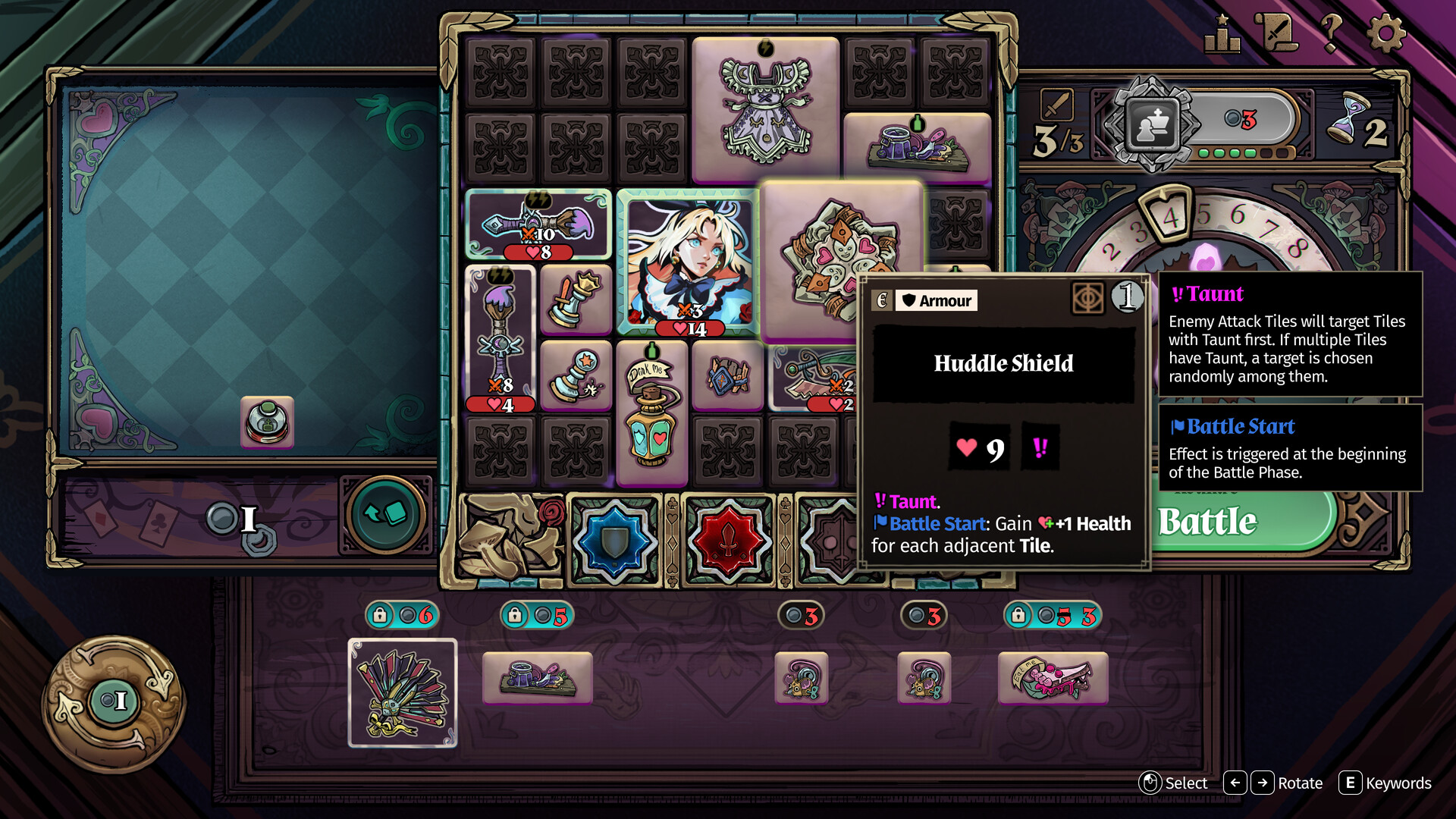
Turnbound sits in a space that players have compared to Backpack Battles and Hearthstone Battlegrounds, and the inventory puzzle at its centre does share DNA with both. But the asynchronous ghost system gives it a distinct texture. You're never waiting for an opponent, yet every fight carries the weight of someone else's real decisions pressed against yours, tile by tile.