

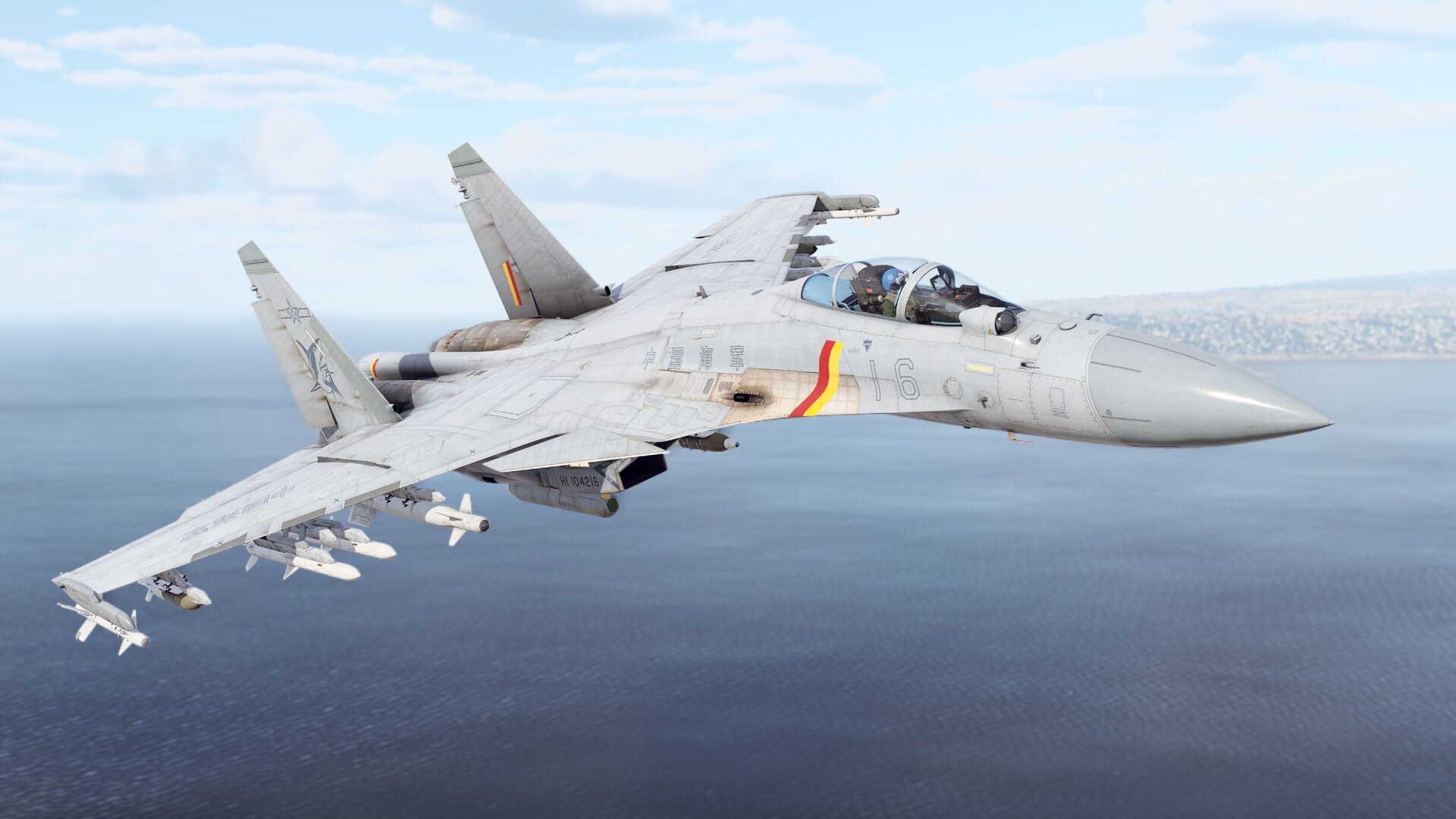
War Thunder's Ninth Wave update has landed, and the headline feature is a complete overhaul of how water behaves in naval battles. Gaijin Entertainment's long-running free-to-play military MMO, available across PC, PlayStation, Xbox and Mac, continues to expand a game that already houses over 3,000 vehicles spanning a century of military hardware. This time the focus is on the sea, with redesigned water physics and visual effects joined by a fresh batch of vehicles including the French aircraft carrier Foch and the Chinese J-15T fighter jet.
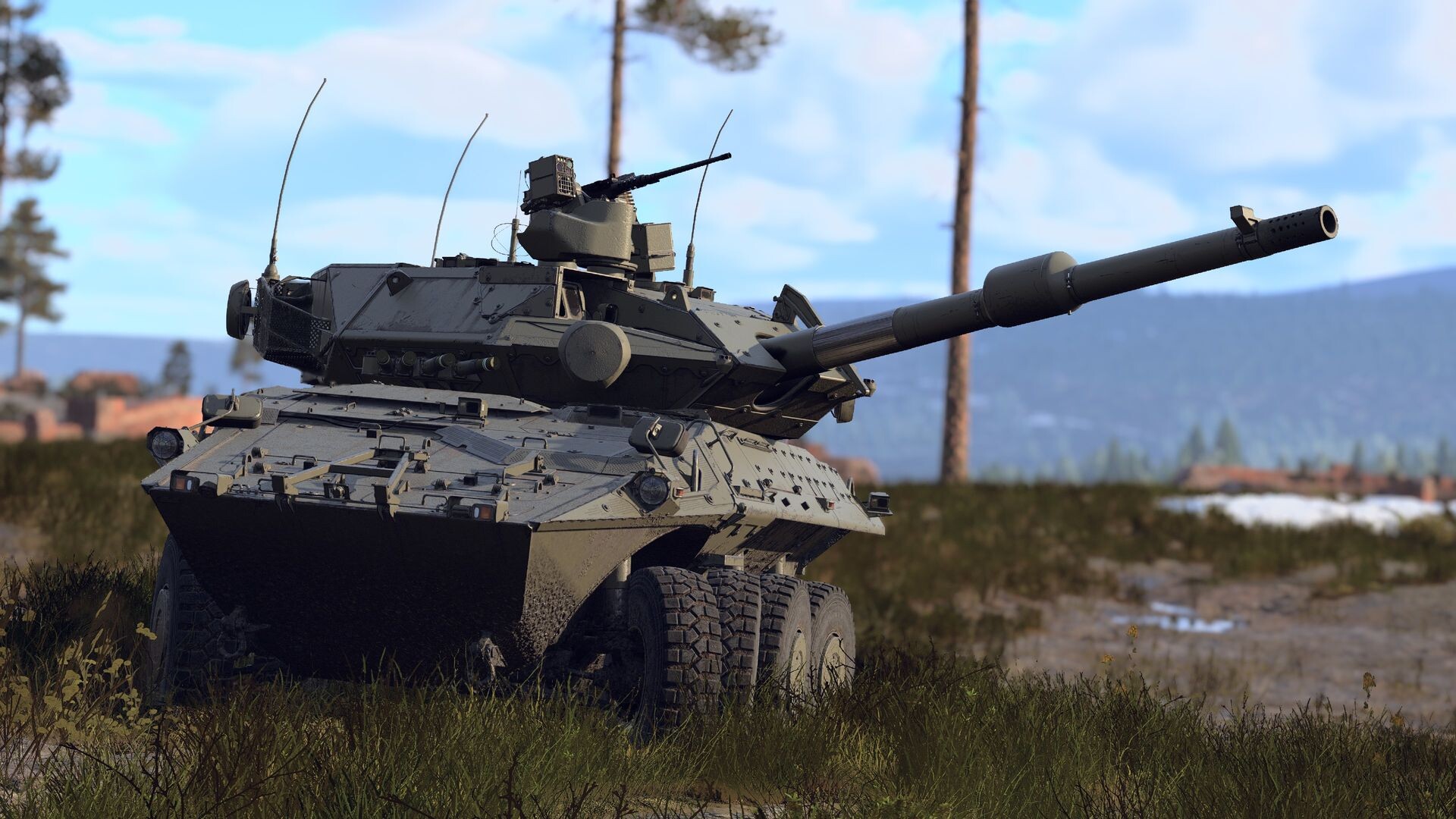
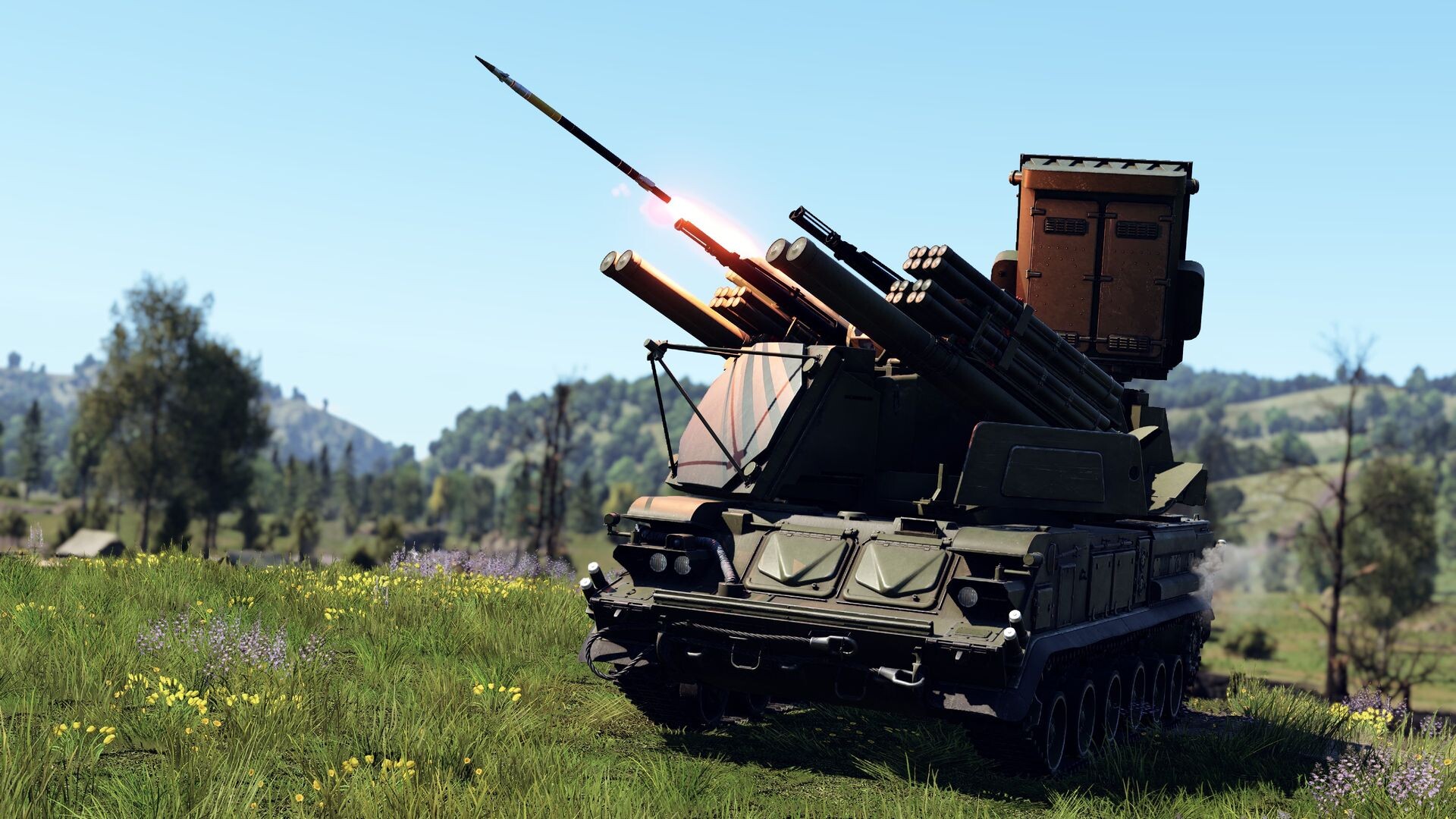
Combat in War Thunder plays out across three theatres simultaneously. Aircraft, helicopters, ground vehicles and warships all share the same battlespace, and the interplay between them drives every match. You might be threading anti-aircraft fire from a mobile AA platform one moment, then switching to a fast attack boat launching torpedoes at a destroyer the next. The vehicle roster stretches from early 20th century machines to modern combat systems like the Pantsir-SM-SV air defense platform, and each one handles according to its own weight, armament and mechanical reality. The Ninth Wave update adds the Centauro II, an Italian wheeled tank destroyer built around the HITFACT Mk II turret, where the automatic loader and ammunition sit behind an armored bulkhead separated from the crew, significantly increasing survivability. It carries DM53 rounds capable of penetrating over 620mm of armor and a 720 horsepower engine that pushes it past 100 km/h. On the aviation side, the J-15T carrier-based fighter carries an active phased array radar and twelve hardpoints worth of guided and unguided weapons, including anti-ship missiles. These aren't cosmetic additions. Each vehicle slots into the broader ecosystem where air, land and sea forces collide.
The naval theatre is where this update makes its biggest mark. Water now calculates subsurface light scattering, creating a sense of volume beneath the surface rather than treating the ocean as a flat reflective plane. Reflections shift more accurately at different viewing angles, and sea foam now generates based on swirl physics and wave resonance rather than static textures. The way objects interact with water has been reworked too, making bomb explosions and torpedo movements carry more physical weight. For a game where naval engagements can involve everything from patrol boats to aircraft carriers, the difference matters. The ocean is not just scenery in War Thunder; it is terrain, and how it reads during a fight affects how you position, how you aim, and how you survive. Over 100 maps represent major historical battle theatres, and the naval ones now look and feel substantially different.
Cross-platform play ties the entire population together on shared servers. PC, PlayStation 4 and 5, Xbox One and Series X|S, Linux and Mac players all fight in the same matches, keeping queue times short across a game with this many vehicle types and battle ratings. PvP is the core of the experience, with full-scale combat missions running at multiple difficulty settings, but there is also PvE content including dynamic historical campaigns and solo missions for players who want to engage with the hardware outside of competitive pressure.
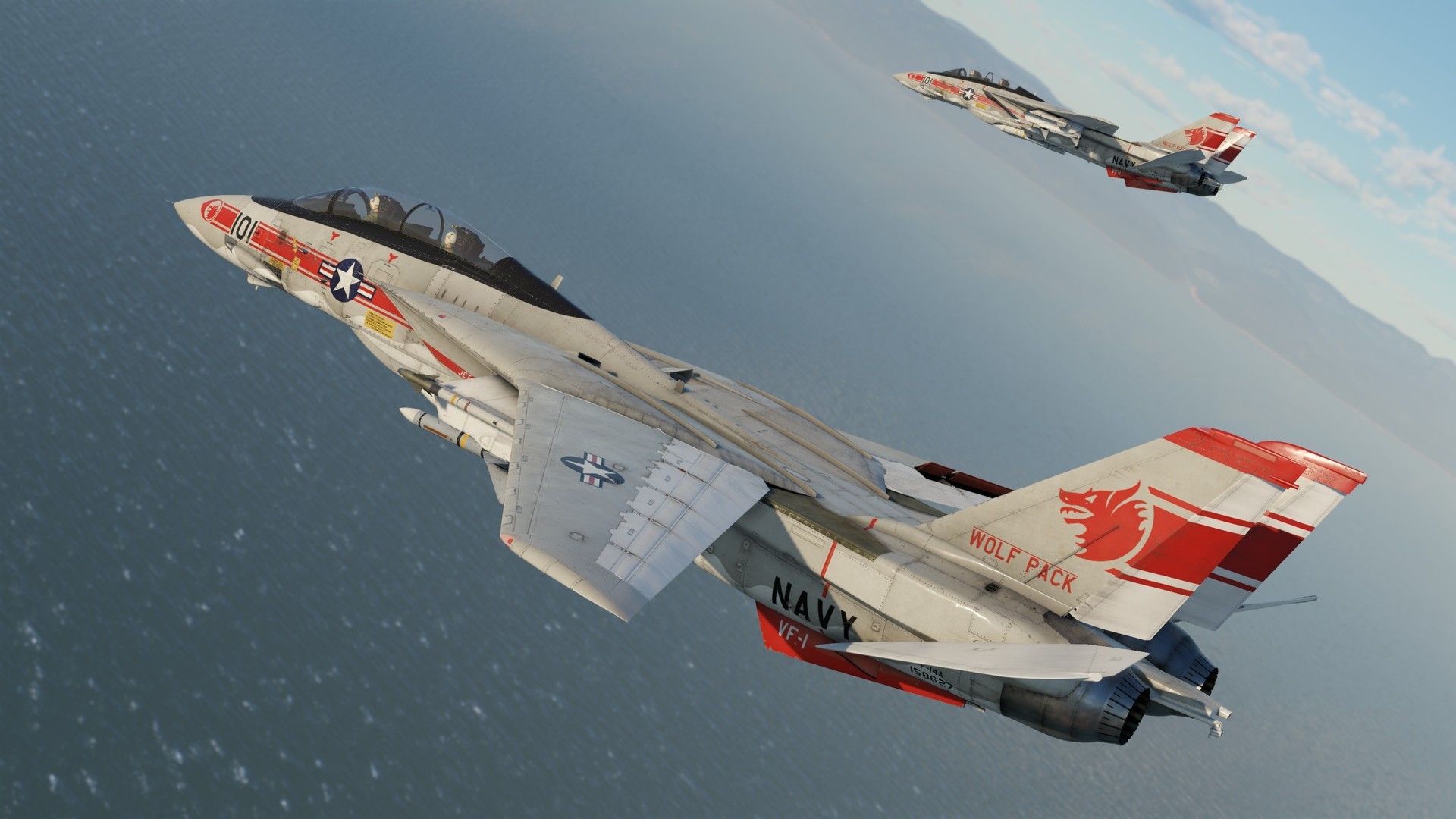
War Thunder frames itself around a simple premise: every major military vehicle type from the last hundred years, operating together in the same conflict. There is no campaign narrative threading these battles together. The story is the history embedded in the machines themselves, the design lineages that connect a World War II bomber turret to a modern carrier-based jet. Gaijin has maintained this game through regular content updates for years, adding nations, vehicles, maps and systems in a steady cadence. The Ninth Wave update, with its domestic Hungarian aviation tree and rank IX aircraft alongside the naval overhaul, is the latest in a long sequence of expansions that have kept the game's scope growing without abandoning the simulation roots that define how every vehicle feels to operate. Lining up a torpedo run from wave height or punching through armor plate at range, the game asks you to understand your machine and the physics governing it.